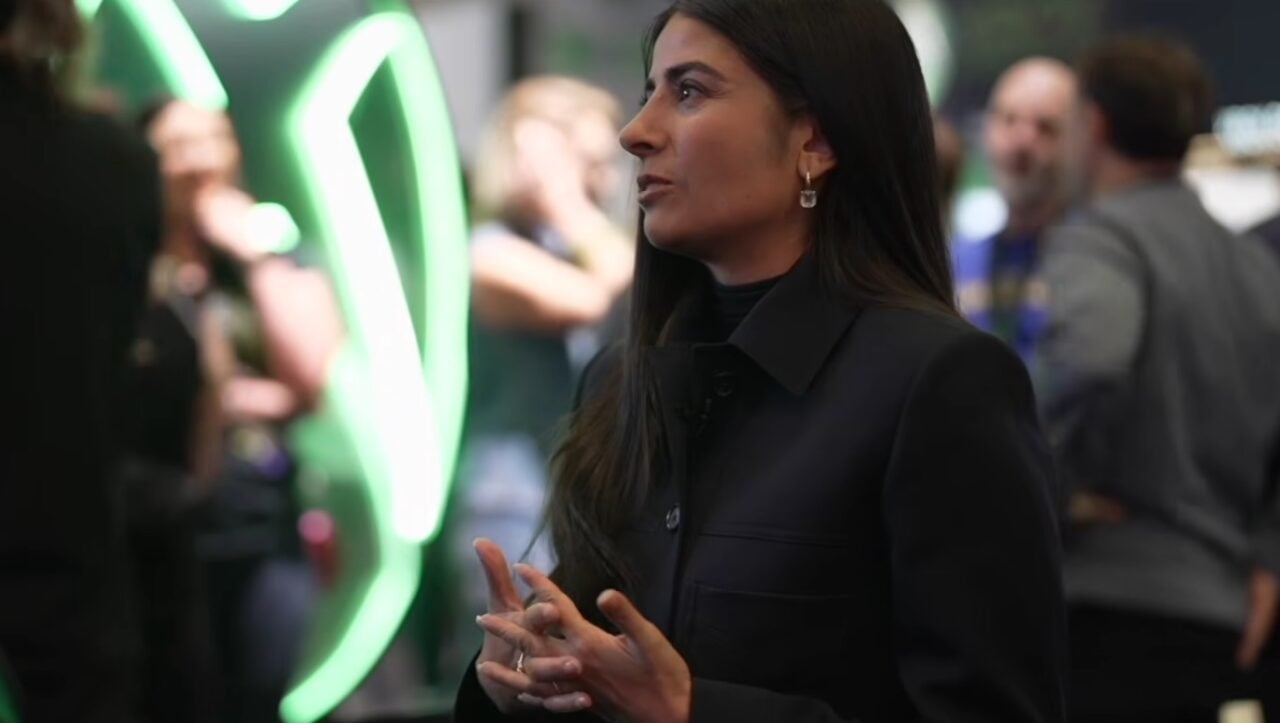
Microsoft executives appeared at Gamescom this week to discuss the company's future hardware plans, but they offered little concrete detail about what Project Helix actually entails. The initiative, officially branded as a "family of devices," represents Microsoft's vision for next-generation console gaming, though the company stopped short of defining what that means in practical terms.
Project Helix signals a strategic shift away from the traditional single-console model. Rather than launching one flagship machine, Microsoft plans to release multiple devices targeting different market segments and play styles. This approach mirrors how the company already manages Xbox, with the Series X positioned as the premium option and Series S as the affordable entry point. Project Helix expands this philosophy significantly, suggesting devices designed for specific use cases, from cloud gaming to portable play.
Phil Spencer and other Xbox leadership remained evasive when pressed about exclusive titles tied to Project Helix hardware. When asked directly whether The Elder Scrolls VI, Bethesda's upcoming fantasy RPG in development following its acquisition by Microsoft, would be exclusive to next-generation hardware, executives declined to commit. The non-answer carries weight in an industry where exclusivity drives hardware adoption and shapes generational boundaries.
This hesitation likely stems from multiple pressures. Microsoft faces ongoing scrutiny from regulators in the UK and other territories regarding its exclusivity practices, particularly following the Activision Blizzard acquisition. Committing to console exclusives invites fresh regulatory debate about whether Microsoft leverages its market position anticompetitively. Additionally, the company has consistently stated its vision for gaming extends beyond boxes, with cloud streaming and cross-platform compatibility central to Xbox's future philosophy.
The timing matters. Project Helix represents Microsoft's response to Sony's PlayStation 6, expected within the next two to three years. Both companies recognize the traditional console generation model faces pressure from an aging player base and shifting preferences toward streaming, subscription services, and hybrid devices. A "family of devices" suggests Microsoft wants to avoid leaving any segment underserved, whether that's hardcore players, casual audiences, or those primarily gaming on smartphones and tablets.
The Elder Scrolls VI remains one of gaming's most anticipated titles. Bethesda's last numbered entry in the series, Skyrim, launched in 2011 and continues generating revenue across multiple platforms. A new mainline Elder Scrolls game represents a tentpole title capable of defining a console generation. Microsoft's refusal to declare it exclusive hints that the company may pursue a broader release strategy prioritizing player reach over hardware lock-in, a significant departure from how exclusives traditionally function.
Project Helix details will likely emerge over the next eighteen months as Microsoft refines its strategy and faces pressure from both players and investors for clarity. The company's cautious approach at Gamescom reflects the complexity of balancing hardware differentiation, regulatory compliance, and the business reality that exclusive software drives console sales. Until Microsoft defines what each device in its "family" actually does and which games anchor them, Project Helix remains marketing speak masking incomplete plans.