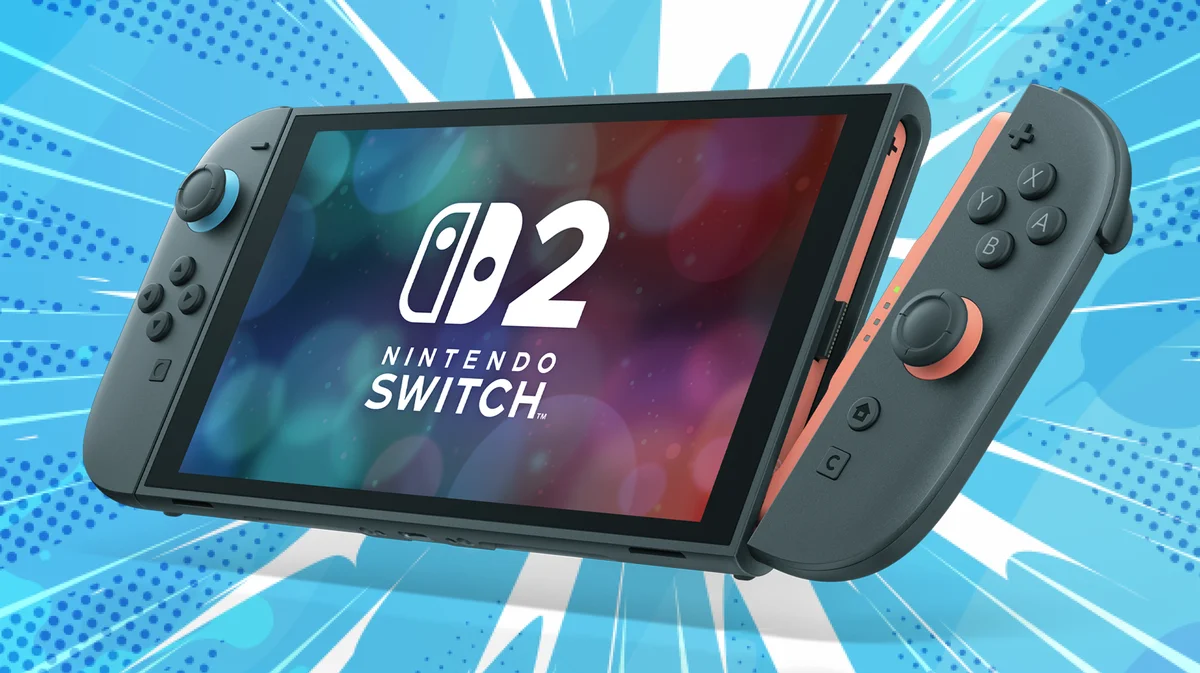
Nintendo just delivered good news that its competitors desperately needed to hear. According to Nintendo president Shuntaro Furukawa, cited by Reuters, the company has access to enough quantities of memory to manufacture more Switch 2 consoles and won't be raising prices again. This statement, made after Nintendo unveiled its first half fiscal year 2027 results, stands in stark contrast to the brutal landscape facing PlayStation and Xbox, which have repeatedly turned to price increases as their only tool to combat AI-driven, global memory and storage shortages.
The contrast is telling. PlayStation has already raised PS5 and PS5 Pro prices on several occasions. Xbox has gone through multiple rounds of price hikes for its Series X and Series S consoles, with the most recent in August. Nintendo itself raised Switch 2 prices on September 1st in the US, Canada, Japan and Europe—adding $50 to American prices, €30 in Europe, and ¥10,000 in Japan. But now, with secured memory supplies, Nintendo can pump the brakes while others scramble.
What Nintendo's supply security reveals is a hard truth: price hikes alone are a losing strategy. Both PlayStation and Xbox have leaned heavily on raising prices to offset supply chain costs, but this approach only frustrates consumers and creates an opening for competitors. Nintendo's access to sufficient memory quantities means it can avoid the cycle that's been strangling its rivals. The company has sold 26 million Switch 2 consoles, and while hardware sales have declined for several quarters compared to the banner 2025 launch, Switch 2 sales are still tracking ahead of the original Switch.
The real concern isn't Nintendo's supply situation—it's what's happening to the broader industry. One of Nintendo's longtime ROM suppliers has already exited the business, choosing instead to focus on more lucrative segments. ROM memory is critical for Switch cartridges, yet Nintendo hasn't commented publicly on this development. This suggests the memory shortage, while manageable for Nintendo right now, remains a systemic threat to console manufacturing.
Nintendo's decision to hold the line on prices should send a message to the industry: supply chain resilience matters more than quarterly margin adjustments. While PlayStation and Xbox continue cycling through price increases, Nintendo is demonstrating that securing supply chains upfront is the real competitive advantage. The question now is whether this stability will translate into consumer goodwill—and whether PlayStation and Xbox can find solutions beyond asking players to pay more.