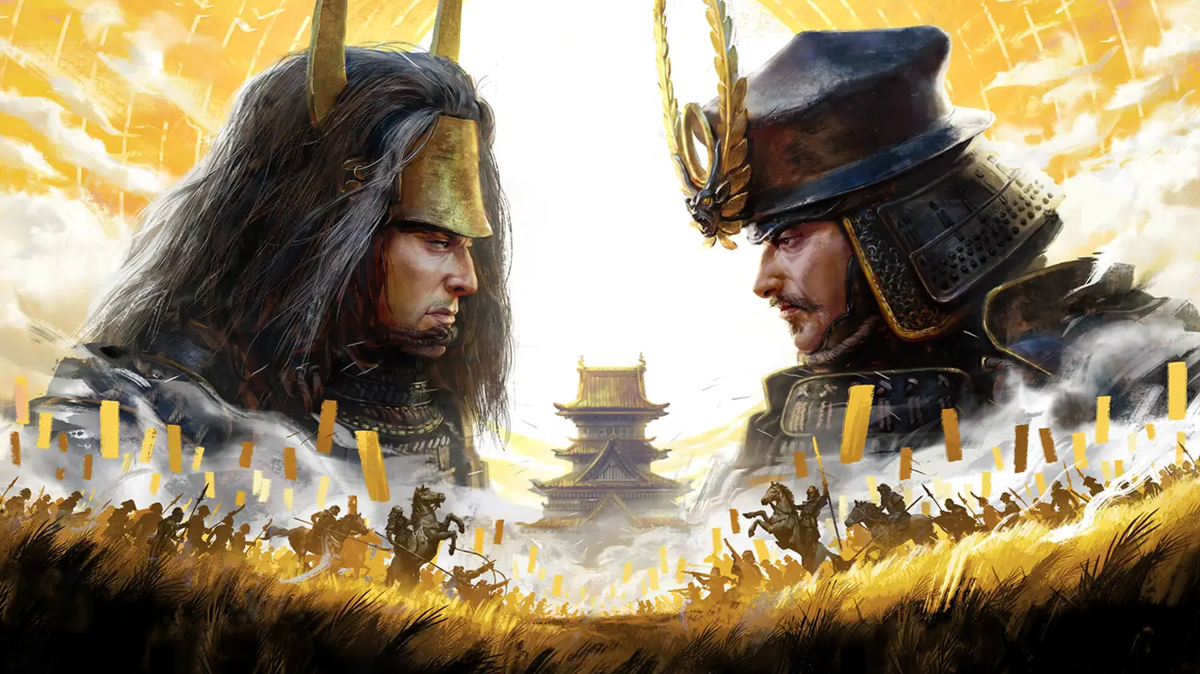
Creative Assembly and Sega yanked Total War: Shogun 2 Complete Edition from Steam last week following widespread player backlash over technical failures and AI-generated artwork. Now the studio's leadership is attempting damage control by deflecting responsibility to an unnamed external contractor while defending the studio's use of generative AI tools.
Vice President Roger Collum issued a personal apology this week, explicitly stating that Creative Assembly did not develop the remastered edition in-house. "This was not a Creative Assembly developed game," Collum wrote, placing accountability squarely on an external partner brought in to handle the project. The studio did not name the contractor, leaving the gaming community to speculate about which developer or outsourcing firm handled the botched remaster.
The Complete Edition disaster centered on multiple layers of failure. Technical problems plagued the release, making the game unstable for players who purchased the remaster expecting an enhanced version of the 2011 classic. More controversially, players discovered AI-generated imagery integrated into the product, a discovery that triggered backlash from a community already wary of generative AI in game development. The combination of poor performance and questionable AI art usage proved toxic enough that Sega and Creative Assembly decided pulling the product entirely was preferable to attempting patches.
Collum's apology attempted to rehabilitate Creative Assembly's image by establishing distance between the studio and the failed remaster. By emphasizing outsourced development, Collum positioned the parent studio as a victim of a third-party partner's incompetence rather than a willing participant in a flawed product launch. This framing shields Creative Assembly's reputation while leaving the unnamed contractor to absorb public criticism.
However, Collum also clarified Creative Assembly's stance on generative AI usage. The studio does use AI tools internally, but only for specific applications like "analysis" and "debug" work. These claims suggest the studio distinguishes between using AI for backend development versus integrating AI-generated assets into final products shipped to consumers. This distinction matters considerably, as it frames AI adoption as a technical workflow enhancement rather than a cost-cutting measure that compromises creative output.
The Shogun 2 Complete Edition failure lands at a delicate moment for AI in gaming. Major publishers have faced organized player resistance to perceived AI usage, particularly when AI-generated art replaces human creators. Creative Assembly's damage control strategy reveals how studios navigate this tension. By outsourcing the remaster and then distancing itself from the partnership's results, Creative Assembly attempts to preserve player goodwill toward the core studio while sacrificing the external partner.
Sega announced it would restore the original Shogun 2 to Steam, effectively admitting the remaster experiment failed beyond recovery. Players who purchased the Complete Edition will receive refunds. This marks a rare corporate acknowledgment that consumers rejected both the technical execution and the ethical implications of the product.
The incident exposes risks in outsourced game development, particularly when remastering beloved legacy titles. Studios cannot easily divorce themselves from outsourced work once it reaches players, regardless of contractual responsibility. Creative Assembly now faces rebuilding trust after a remaster it didn't develop damaged the franchise's reputation. The unnamed external partner bears the technical blame, but Creative Assembly carries the brand damage.