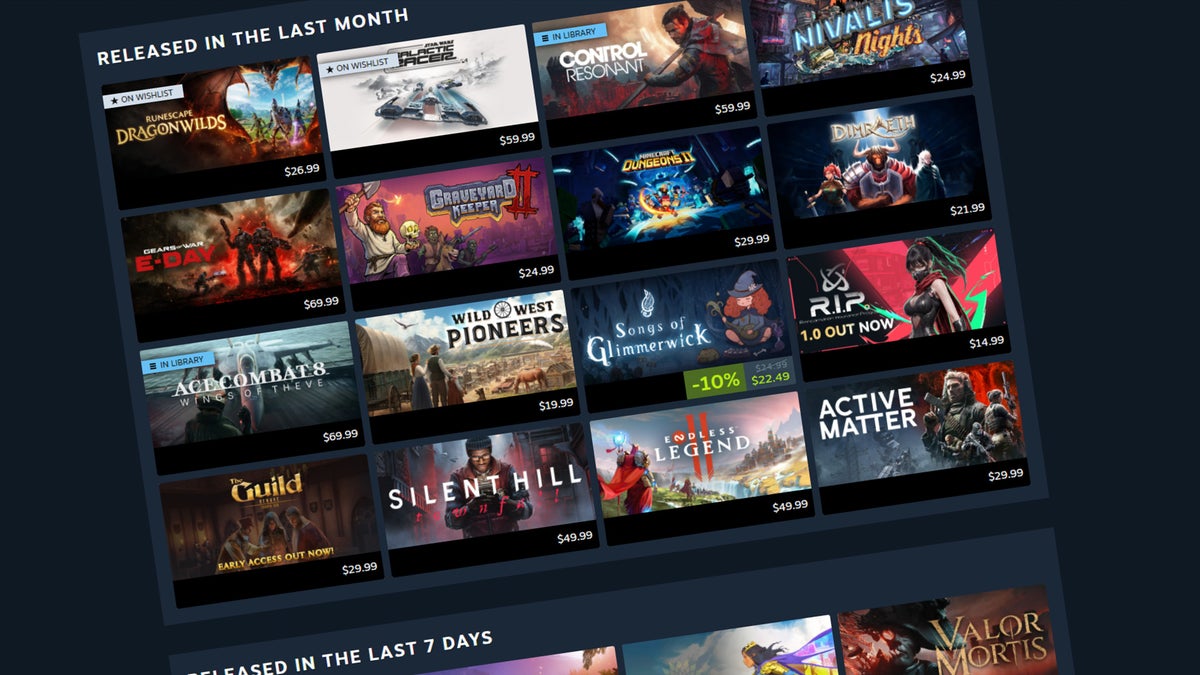
Valve has officially graduated Steam's Personal Calendar feature from experimental status to a full production component of the Steam Store. The platform launched the tool in Steam Labs as a testing ground, but users interacting with it had no clear indication the feature remained in beta. The Personal Calendar aggregates upcoming and recent game releases based on a user's wishlist and browsing history, providing a personalized view of the gaming landscape.
The feature works by pulling data from games players have added to their wishlists or viewed in detail. Steam's algorithm surfaces releases that match individual interests, eliminating the need to manually track dozens of upcoming titles across various genres and studios. For players juggling multiple anticipated launches, the calendar removes friction from release date discovery. The tool displayed release dates, developer information, and direct store links to each game.
Valve's decision to promote Personal Calendar to full feature status reflects confidence in the tool's performance and user engagement metrics. Steam Labs functions as an incubation environment where Valve tests new platform features before broader rollout. Tools graduate to production only when Valve determines they deliver sufficient value and stability. The Personal Calendar's transition suggests the feature met both thresholds.
The timing matters in context of Steam's competitive landscape. Epic Games Store has invested heavily in personalization features and curated recommendations. GOG emphasizes discovery tools for its catalog. Microsoft's Game Pass surfaces new additions through a similar calendar approach. Steam's move standardizes calendar functionality across its 120-million-plus monthly active users, bringing feature parity with competitors while leveraging Steam's scale advantage.
Users who relied on third-party solutions to track releases can now consolidate that workflow directly within Steam. Browser extensions and standalone Discord bots currently dominate the release tracking space. Valve's integrated approach eliminates dependency on external tools while keeping attention within the Steam ecosystem. The feature also surfaces games users might have forgotten about or overlooked, potentially increasing discovery and impulse purchases.
The feature works best for players with established wishlists. Users who rarely curate their wishlist experience diminished benefits from personalization. Casual players who browse Steam sporadically may not engage with the calendar at all. The feature's utility scales with engagement level, similar to recommendation algorithms across streaming platforms.
Valve has not announced plans for calendar customization beyond the existing algorithmic filtering. Users cannot currently create custom categories, set reminders for specific release dates, or export calendar data. Future iterations could introduce notification systems, integration with Discord or third-party apps, or social sharing features that show friends upcoming releases.
The Personal Calendar's graduation to full feature status removes any uncertainty about Steam's long-term commitment to the tool. Players can now plan purchases with confidence that Valve will maintain and potentially expand the feature. The move also signals that Valve continues investing in platform infrastructure rather than shifting focus entirely to hardware like the Steam Deck.