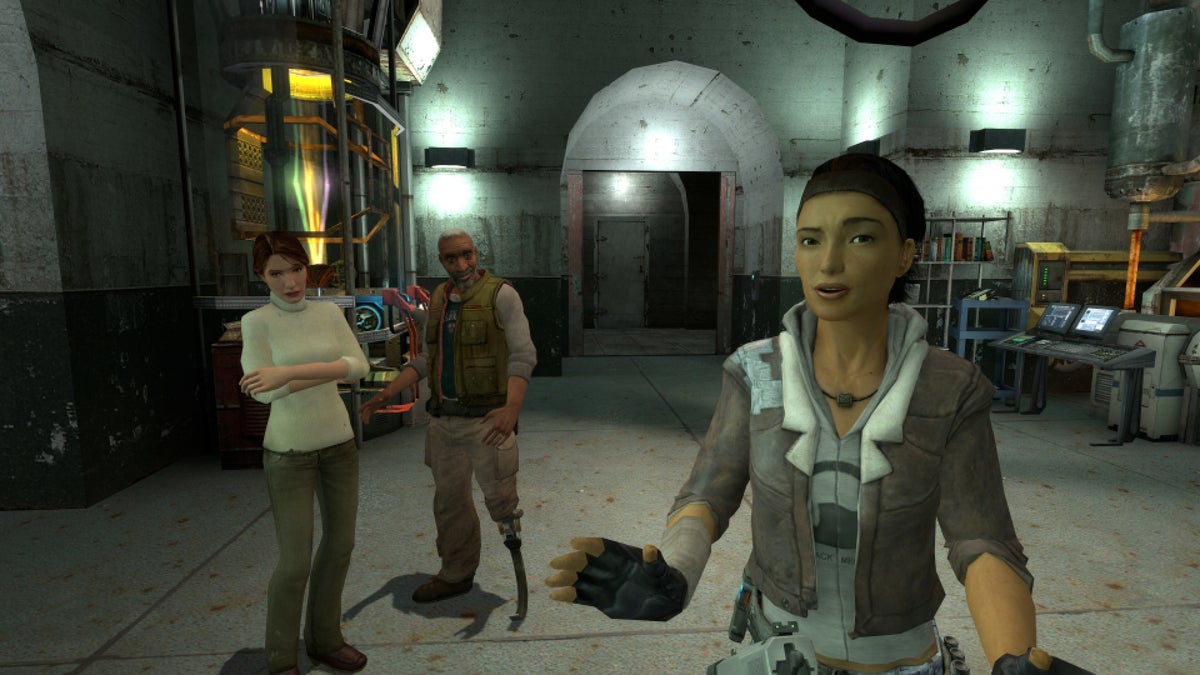
A Valve composer has reignited Half-Life 3 speculation during a technical panel on video game audio by casually mentioning "HLX," a rumored internal codename for the long-awaited sequel. The slip occurred roughly one hour into the presentation focused on sound design, where the developer referenced HLX while discussing technical aspects of audio implementation. The mention immediately sparked renewed fan theories across gaming communities.
HLX has circulated in rumor mills for years as a potential working title for Half-Life 3, the third mainline entry in Valve's legendary first-person shooter franchise. The series has been dormant since Half-Life 2 launched in 2004, with only the spin-off Half-Life: Alyx arriving in 2020 to break the 16-year drought. That VR-exclusive prequel delivered a technically impressive experience but left the core narrative unresolved, maintaining the central mystery of what happens next in the Half-Life universe.
The gaming industry treats accidental developer reveals during public presentations with intense scrutiny. A single acronym, especially one matching years-old speculation, fuels months of theory crafting. The Half-Life community remains hypervigilant after two decades of silence following Episode Two's cliffhanger ending. Previous "leaks" and supposed revelations have led to false alarms, yet fans continue analyzing every Valve statement for hidden signals.
Valve's leadership, particularly Gabe Newell, has historically avoided committing to Half-Life 3 development. The company shifted focus toward Steam platform dominance, hardware ventures like the Deck, and VR experiences rather than traditional single-player campaigns. Half-Life: Alyx represented a significant investment in the franchise, but Valve remains cautious about promises regarding future entries. The studio has faced considerable pressure from players demanding closure on storylines left hanging in 2007.
The technical context matters here. A composer discussing audio implementation during a public panel would likely reference internal project names casually, without theatrical emphasis. This naturalness actually lends credibility to accidental reveals compared to intentional teasing. Valve employees do occasionally slip up during conferences, though distinguishing genuine leaks from coincidental acronym overlap proves difficult without confirmation.
Half-Life 3 occupies a unique space in gaming culture as both the most anticipated and most actively joked-about sequel in the industry. Memes about its non-existence permeate gaming communities, with running jokes about the game's vaporous status becoming self-sustaining humor. Yet genuine enthusiasm persists among players who want resolution to Gordon Freeman's story and closure on the Combine invasion narrative.
Whether HLX represents actual development or coincidental acronym usage remains unconfirmed. Valve has not commented on the composer's statement. The studio typically ignores speculation, maintaining its policy of announcing projects only when development reaches specific milestones. This silence strategy actually fuels ongoing theories, as fans interpret every non-denial as potential confirmation.
The Half-Life community will dissect this moment extensively across forums and social media. Speculation will likely intensify until Valve issues a definitive statement or releases official announcements. The franchise's devoted fanbase demonstrates that after 20 years, significant player demand for Half-Life 3 persists despite Valve's apparent reluctance to commit.