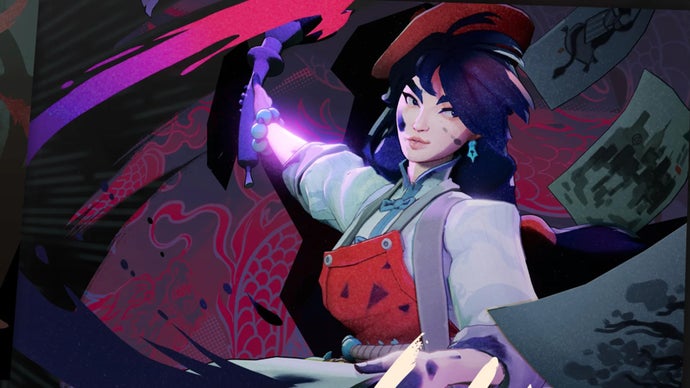
Valve continues pouring resources into Deadlock, its invite-only competitive hero shooter, with a substantial update that demonstrates genuine long-term commitment to the title. The patch delivers six new heroes, over 10,000 fresh voice lines, and numerous quality-of-life improvements across the board.
Deadlock operates in a peculiar limbo for a live-service game. Valve has never formally announced it. The game exists only through word-of-mouth and friend invites, yet it has accumulated a dedicated playerbase over two years of consistent development. This approach stands in stark contrast to how publishers typically launch and market games, yet the studio shows no signs of abandoning the project despite its unconventional rollout.
The hero expansion signals Deadlock's roster continues to grow. Six new characters represent meaningful content for a competitive shooter where roster diversity drives both casual engagement and esports potential. Each hero introduction typically requires weeks of balance testing and design iteration. The accompanying 10,000-plus voice lines suggest Valve invested heavily in character personality, ambient dialogue, and reactive VO across multiple scenarios. That scale of audio production indicates a AAA-budget commitment.
Previous Deadlock updates established patterns familiar to Dota 2 veterans. Valve balanced patches with cosmetic additions, map adjustments, and gameplay tweaks. This update follows suit but with more ambition. The voice line count alone dwarfs many indie titles' entire VO budgets. For a game in extended closed beta, that spending reflects confidence in the project's future.
The timing matters too. Live-service games lose momentum without regular, substantial updates. Competitors like Valorant, Counter-Strike 2, and League of Legends maintain fanbases through consistent hero releases and balance adjustments. Deadlock's two-year update cadence, despite its hidden status, prevents the project from stagnating. Industry observers have speculated when Valve would either abandon Deadlock or transition it to public launch. These updates argue against abandonment.
What remains unclear is Deadlock's eventual commercial model. Will it launch free-to-play like Dota 2 and Valorant? Does Valve plan a traditional early access phase? The continued investment suggests preparation for public release, but Valve historically moves on its own timeline. The studio took seven years developing Half-Life: Alyx before showing it publicly. Deadlock could follow a similar arc.
The competitive scene around Deadlock remains modest compared to established esports titles. Community tournaments exist, but without official backing or prize pools, pro interest stays niche. This update could signal Valve preparing infrastructure for esports ambitions. New heroes create meta shifts that sustain competitive interest. Voice acting quality indicates polish for broadcast-ready gameplay.
For players currently in Deadlock's closed community, this update reinforces that their invites hold real value. Access to growing content justifies keeping the game installed and active. For those still waiting outside, it raises questions about when or if Valve opens the gates.
The studio's willingness to invest this heavily into a game still hidden from mainstream visibility speaks to Deadlock's internal importance within Valve. Whether this becomes the next Counter-Strike or remains a cult classic remains unknown. But these updates prove it's no longer an experiment or passion project getting scraps of attention. Deadlock has Valve's resources and focus behind it.