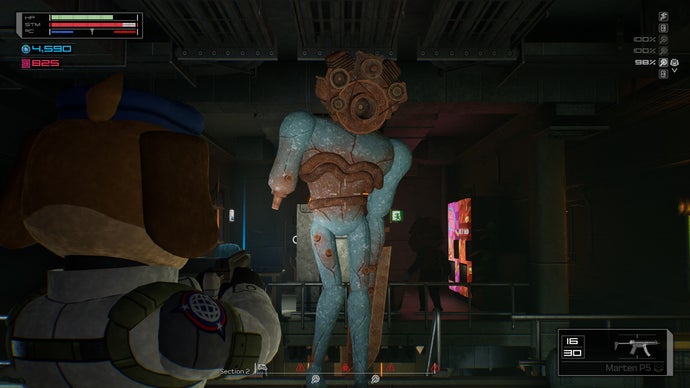
Fright Train arrives as a refreshing alternative to Call of Duty Zombies, delivering wave-based survival shooting that stands out precisely because it strips away the franchise's bloat while maintaining its core appeal. You play as Doug Barker, a dog soldier facing down supernatural threats in a B-movie atmosphere that leans hard into its own absurdity rather than pretending it's serious.
The game occupies an interesting niche. Indie developers have largely abandoned the Zombies formula since Treyarch perfected it across Black Ops iterations, leaving the wave-survival subgenre understocked. Black Ops 6 arrived last October but failed to capture the magic of earlier entries, prompting players to seek alternatives. Fright Train fills that void with style.
What separates Fright Train from the pack is its commitment to mechanical depth without overthinking presentation. Unlike the increasingly convoluted Zombies experiences bogged down by story campaigns, seasonal passes, and battle passes, Fright Train stays focused. You enter a map, survive waves, upgrade weapons and perks, and push toward higher rounds. The dog protagonist works because the game doesn't treat it as a gimmick. Doug Barker functions as a legitimate character within the fiction, not a joke layer on top of a generic formula.
The B-movie aesthetic proves crucial here. Where Call of Duty's Zombies oscillated between World War II grittiness and interdimensional maximalism, Fright Train commits to a specific tonal vision. That consistency makes every design choice feel intentional rather than trend-chasing.
Wave-based shooters thrive on accessibility paired with depth. Fright Train delivers on both fronts. New players understand the loop immediately: survive, earn points, purchase upgrades, repeat. Veterans find complexity in weapon selection, perk synergies, and map positioning. That layering matters more than raw feature count. Call of Duty's recent entries bloated the formula with cosmetics, operators, and narrative threads that diluted focus.
The comparison extends beyond gameplay mechanics. Fright Train represents a broader industry shift where indie developers capture player affection by doing one thing well rather than attempting everything poorly. The game respects player time. Sessions conclude cleanly. Progress tracks meaningfully. No battle pass nudges you toward daily engagement metrics.
Developer positioning matters too. By embracing the furry angle rather than hiding from it, Fright Train signals confidence in its premise. That transparency builds community trust. Players know what they're getting. No false marketing. No bait-and-switch narratives.
The broader context reveals a hungry audience. Zombies fans spent years asking for innovation within the formula rather than radical departure. Fright Train answers that call without demanding innovation fans didn't request. It refines the established structure, adds character, and ships complete.
Platform availability shapes the narrative. PC positioning gives Fright Train legs beyond console lockdowns. The game reaches players looking for alternative survival experiences without franchise fatigue. That accessibility matters in a market where Call of Duty faces subscription requirements and seasonal content treadmills.
Fright Train succeeds where recent Call of Duty entries stumbled. It understands that wave-based survival works best when execution stays sharp and vision stays clear. A dog soldier might sound ridiculous. The game proves ridiculous can mean focused, fun, and fully realized.