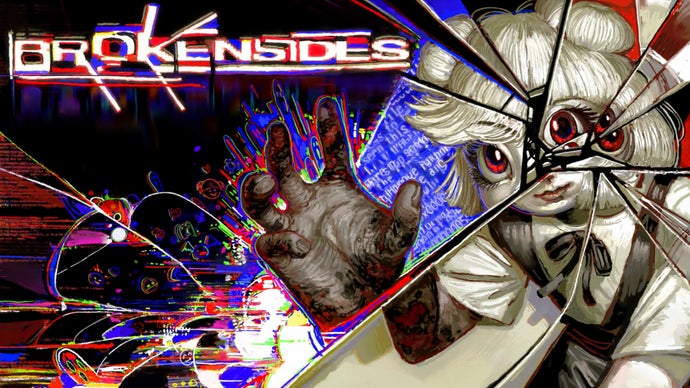
Brokensides merges psychological horror with beat 'em up combat in a way that genuinely defies convention. The game casts players as a violent sea bunny protagonist who has just been released from prison after committing what the narrative frames as a Cardinal Crime. It's an unusual premise that signals developer intent to upend genre expectations rather than simply stack them on top of each other.
The psychological horror layer appears to inform the game's atmosphere and narrative framing rather than competing with combat mechanics. Sea bunnies, the real-world nudibranchs known for their harmless appearance, form an ironic foundation for a violent protagonist. This contradiction between visual expectation and actual gameplay—controlling an adorable creature that uses suplexes and shatters glass enemies—creates cognitive dissonance that serves the horror angle.
Genre mashups have become increasingly common in indie gaming. Roguelike deckbuilders flooded the market after Slay the Spire's 2017 success. Soulslike elements now appear in everything from 2D platformers to isometric RPGs. Most mashups fail to justify their existence beyond novelty. They feel like two separate games awkwardly bolted together, neither component strong enough to stand alone.
Brokensides takes a different approach. The psychological horror framework gives weight to the combat encounters rather than existing as decoration. A game about a creature with violent impulses released into the world carries thematic coherence. The genre fusion feels intentional rather than opportunistic. The "just-freed-from-prison" premise promises narrative context that justifies both the horror elements and the brutal melee action.
The mechanical execution matters most. Beat 'em ups live or die on combat feel. Responsive controls, clear enemy telegraphs, and satisfying hit feedback separate memorable brawlers from forgotten ones. Games like Streets of Rage 4 and Teenage Mutant Ninja Turtles: Shredder's Revenge proved that the genre still resonates with modern audiences when implemented with care. Brokensides must clear this bar before the premise alone can carry it.
The glass-shattering enemy design suggests environmental interaction beyond simple button mashing. This hints at combat depth. Players will need to read situations, position themselves strategically, and understand how their sea bunny protagonist interacts with surroundings. That layering of mechanics transforms genre mashups from gimmick into genuine design philosophy.
Brokensides arrives at a moment when indie developers increasingly reject the false choice between experimental concepts and polished execution. The game's willingness to pair psychological horror with what sounds like genuinely violent combat encounters, all wrapped around a sea bunny protagonist, demonstrates creative confidence. It's not asking permission to exist. It's presenting a complete vision where each element amplifies the others.
The real test arrives with player hands-on time. Clever premises fail when execution stumbles. But the conceptual foundation here suggests developers who understand why they're combining these elements rather than throwing them together hoping something sticks.