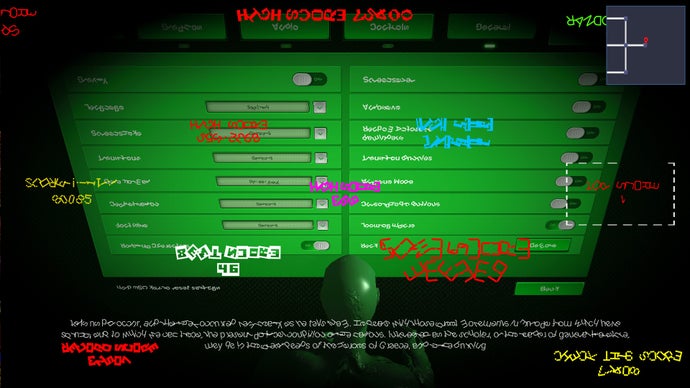
A new indie game flips the script on what players expect from video games. Video Game Menu: The Game, developed as a tongue-in-cheek experience, transforms the mundane interface between player and game into the main attraction. Rather than focusing on platforming, combat, or puzzle solving, the entire game celebrates the act of navigating menus, adjusting settings, and discovering what happens when you press random buttons.
The premise operates as satire and genuine play experience simultaneously. Most players treat menus as necessary friction, the gatekeeping interface before the "real" game begins. This title inverts that hierarchy. Turning off music to listen to podcasts, tweaking graphics settings, remapping controls, adjusting difficulty sliders, customizing colors. These mechanical interactions become the content itself. It's a commentary on how much time players actually spend in menus versus the game proper, and how much satisfaction they derive from optimizing their experience before diving into actual gameplay.
This type of experimental game design reflects a growing trend in indie development. Studios push against conventional game structures, questioning assumptions about what makes interactive entertainment engaging. Games like Braid reimagined puzzle platformers, while Spec Ops: The Line weaponized military shooter tropes against player expectations. Video Game Menu: The Game operates in that same vein, using familiarity as comedy and commentary.
The project taps into genuine player behavior. Gaming culture features countless memes about spending hours in character creation or inventory management, getting lost in Skyrim's mod menus, or obsessing over visual settings. Streamers and content creators often dedicate segments to menu exploration and settings optimization. This game acknowledges and celebrates that aspect of gaming culture that doesn't fit neatly into traditional gameplay categories.
There's also meta-humor embedded in the concept. Video game menus represent one of the earliest and most consistent user interface designs in the medium. From simple NES pause screens to elaborate modern UI systems, menus have evolved dramatically while remaining fundamentally the same. They're simultaneously the most familiar and least talked-about element of gaming. A game about menus challenges players to examine something they've interacted with thousands of times but rarely consciously appreciate.
The title follows indie games that deliberately subvert player expectations through genre deconstruction. Games like Undertale, Doki Doki Literature Club, and PowerWash Simulator prove that niche concepts can find audiences when executed with creativity and precision. Video Game Menu: The Game appears to bank on that same principle, trusting that players will engage with the concept because it speaks to authentic aspects of their gaming experience.
From a design perspective, creating compelling gameplay around menus requires ingenuity. Developers must make button pressing, option selection, and UI navigation entertaining across an entire game session. This demands tight writing, satisfying audio feedback, visual polish, and unexpected surprises. The depth of that challenge mirrors what professional game developers face when creating the menus players encounter for seconds at a time.
The game represents a specific type of indie comedy. It works because it critiques something universal while making fun of the entire medium's conventions. Whether players approach it as ironic commentary or genuine entertainment, Video Game Menu: The Game succeeds by making the invisible visible and transforming the overlooked into the focal point.