# The Ethereal Appeal of Big Stretch: Why Minimalist Physics Platformers Matter
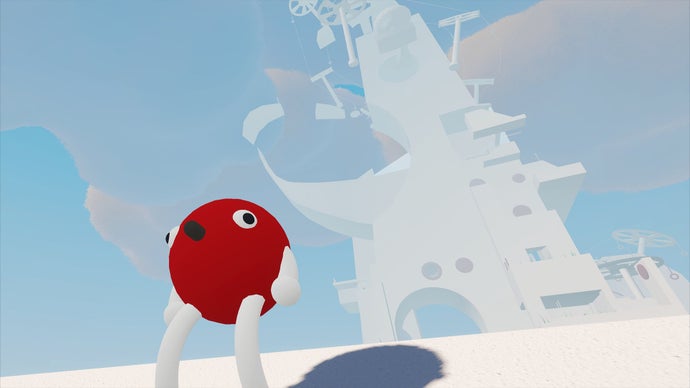
Big Stretch, a physics-based platformer from a game jam, strips away conventional visual design to prove one central thesis: the Vibe of a game beats technical polish. The title character is a little round guy with stretchy arms, and that simple premise, paired with deliberately sparse aesthetics, creates something that commands attention through charm rather than spectacle.
Game jam projects typically operate under severe time constraints. Big Stretch uses this limitation as a strength. The game features minimal assets, relying instead on physics interactions and character personality to generate engagement. This approach mirrors a broader indie trend where concept execution matters more than production budget. Titles like Getting Over It with Bennett Foddy and Pogostuck proved players respond to weird, focused mechanics wrapped in distinctive identity over conventional art direction.
The physics-platformer genre itself has experienced a renaissance in indie spaces over the past decade. Games like Celeste established that precision platforming could coexist with emotional narrative. Big Stretch takes a different route, emphasizing absurdist humor and tactile interaction. A character with stretchy arms fundamentally changes how platformers feel mechanically. Standard jump-and-run movement becomes grappling, swinging, and momentum-based problem solving. This shifts level design away from demanding pixel-perfect timing toward creative physics application.
The concept of "Vibe" in game design has become increasingly recognized by developers and critics alike. A strong Vibe functions as the first impression that either pulls players in or pushes them away. In algorithmic spaces where discoverability determines survival, that initial hook becomes everything. Big Stretch elicits the "now what's this, then?" response that signals genuine curiosity. That reaction overrides polish deficits because it creates a reason to investigate further.
Game jams themselves function as important incubators for this type of experimental thinking. Ludum Dare, Global Game Jam, and similar events force developers to abandon perfectionism and embrace constraint-based creativity. The time pressure strips away the temptation to over-design, resulting in games with clarity of vision. Big Stretch likely emerged from exactly this process. The minimalist aesthetic isn't a limitation imposed after failed asset creation. It's the actual design choice that defines the experience.
Physics-based movement in platformers requires player adaptation. Standard platformer muscle memory fails. Button inputs that worked in Mario or Hollow Knight produce unexpected results with stretchy-arm mechanics. This learning curve becomes part of the appeal for players seeking something genuinely different. The game forces engagement rather than relying on familiarity.
The indie platformer market remains robust despite oversaturation. Thousands of platformers release annually. Survival requires distinction. Big Stretch achieves this through personality and mechanical focus rather than attempting to outspend larger competitors on production values. This strategy works. Players actively seek out weird, small games that offer different perspectives on familiar genres.
The success of games like Big Stretch demonstrates that the current market rewards authenticity and clarity of vision over technical specifications. A developer who understands what makes their game distinct and executes that vision cleanly will reach the audience searching for exactly that experience. Minimalism becomes the feature, not the fallback.