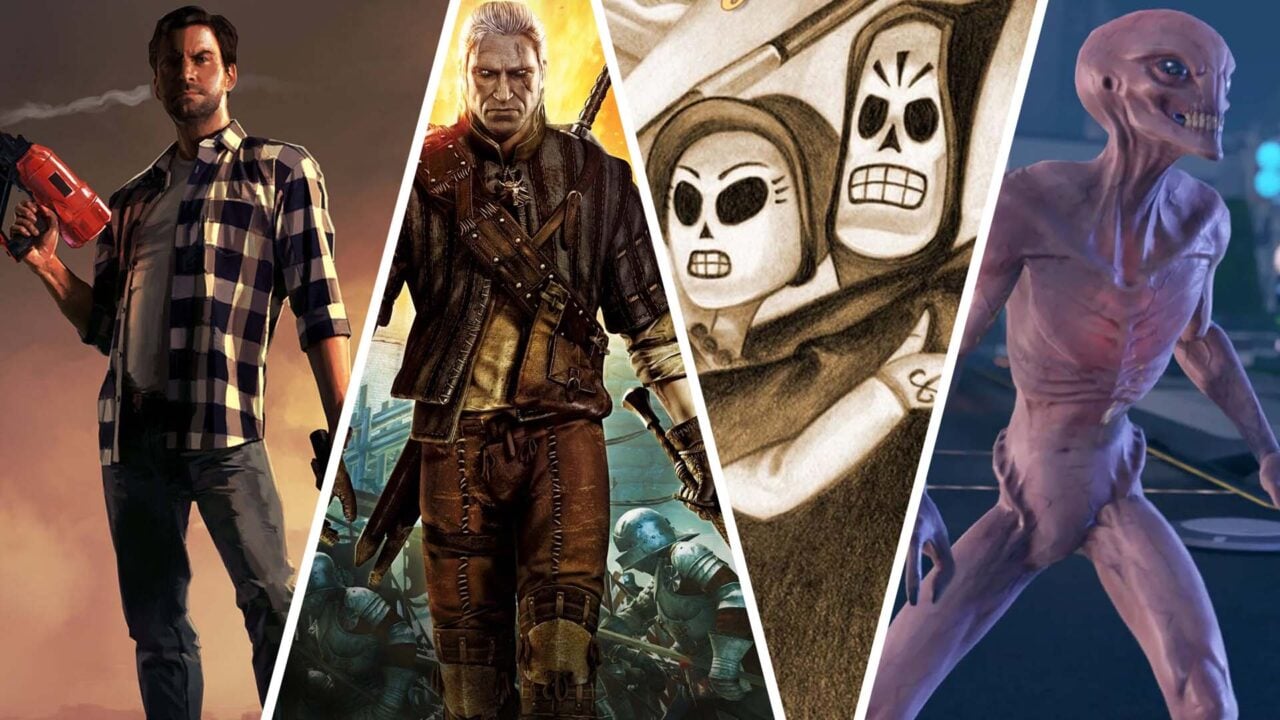
GOG's autumn sale event runs for two weeks and stacks major AAA and indie titles at aggressive discounts, with a bulk of the catalog priced at $15 or below. The digital storefront is pushing premium franchises hard, bundling Control, Doom, Mafia, Just Cause, and The Witcher series into the promotional window.
Control, Remedy Entertainment's supernatural action game, sits at a steep discount alongside the latest Doom installment. Both represent the kind of high-production titles that rarely hit rock-bottom prices outside major seasonal sales. Control released in 2019 to strong critical reception, with players drawn to its deliberately strange art direction and fluid gunplay mechanics. Doom's most recent entry carries similar weight in the shooter space, maintaining the franchise's reputation for fast-paced combat.
Mafia and Just Cause bring different flavors to the action genre. Mafia games focus on narrative-driven crime stories with open-world sandbox elements, while Just Cause emphasizes destruction and environmental chaos. Both franchises have loyal fanbases willing to revisit older entries, and GOG's pricing makes them accessible to newcomers who skipped past releases.
The Witcher series represents CD Projekt Red's broader catalog expansion on GOG, the developer's own digital store. GOG has increasingly positioned itself as a no-DRM alternative to Steam, attracting players concerned about content preservation and ownership. That positioning strengthens when GOG bundles genre-defining RPGs like The Witcher at discounted rates during high-traffic sale events.
The two-week window matters for inventory turnover and clearance strategy. Longer sale periods test player purchasing patterns and allow GOG to measure performance across different demographic segments. This particular event targets both franchise veterans and new entrants, creating entry points for series that demand sustained player investment.
GOG's strategy differs from Steam's algorithmic recommendation engine. The platform relies more heavily on curated lists, promotional banners, and email campaigns to surface titles. A sale this broad signals confidence in GOG's ability to convert browsing traffic into transactions during peak gaming seasons. Fall represents a critical window, sandwiched between the August summer sales and the November holiday rush.
Indie titles likely comprise a significant portion of the discounted catalog, though the announcement emphasizes major releases. GOG has built reputation partly on supporting smaller publishers and preserving older games through emulation and compatibility layers. That positioning allows the store to compete on breadth rather than exclusivity alone.
The $15 threshold carries psychological weight in digital storefronts. Players perceive games under $15 as "safe impulse purchases," lowering friction for titles they've considered but not committed to. GOG's emphasis on that price point across the sale suggests data-driven confidence that discounted AAA alongside indie variety drives conversion rates.
Competition from Steam's ongoing sales, Epic Games Store's free games initiative, and Humble Bundle's subscription model means GOG must execute sales events with precision. This fall event combines recognizable franchises with broader catalog depth, attempting to capture players across spending levels and genre preferences. The two-week runway gives customers time to review purchase decisions while maintaining scarcity psychology through a defined endpoint.