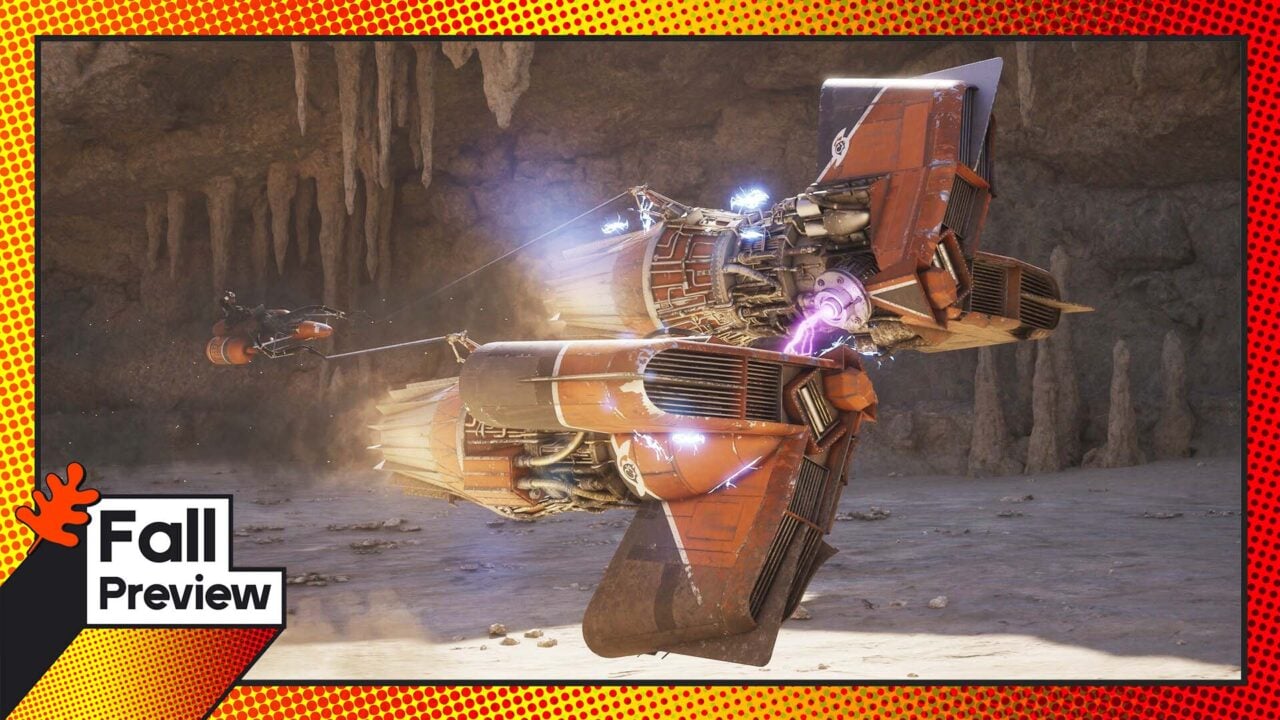
# Star Wars: Galactic Racer Continues Star Wars Gaming's Best Recent Streak
Star Wars: Galactic Racer arrives at a moment when the franchise's gaming output has finally broken free from the third-person action template that dominated for years. The racing game represents a deliberate pivot, one that reflects lessons learned from recent Star Wars releases and a willingness to explore genres beyond the expected combat-heavy frameworks.
For too long, Star Wars games felt obligated to replicate the same formula. Jedi: Fallen Order and its sequel Jedi: Survivor both leaned heavily on souls-like combat and parkour platforming. Even mobile entries defaulted to action-RPG structures. That repetitive approach created fatigue among players who wanted variety within the galaxy far, far away.
Recent years have shown appetite for different experiences. Star Wars: Knights of the Old Republic Remake's shift toward narrative depth over combat spectacle signaled that players craved something different. Smaller, more focused titles proved that the brand could sustain multiple game types simultaneously without cannibalizing each other.
Star Wars: Galactic Racer embraces this diversity outright. Racing games occupy a unique space in the franchise's portfolio. The 1992 Star Wars: Pod Racer on Nintendo 64 remains beloved decades later, but racing has remained largely absent from modern Star Wars gaming. Galactic Racer taps into both nostalgia and an underserved category.
The racing genre itself offers distinct advantages for Star Wars properties. Racing games can showcase worlds and vehicles without requiring complex narrative infrastructure. They provide accessibility for players who might skip traditional action games but enjoy arcade experiences. The genre also enables cross-platform reach, particularly on mobile and console where racing titles perform consistently well.
Galactic Racer's development signals confidence from publishers that Star Wars gaming can thrive outside established action-adventure patterns. This approach mirrors how other major franchises expanded. Marvel games moved beyond superhero action with Spider-Man: Miles Morales side content and smaller experiences. DC experimented with multiple genres rather than cycling through Batman and Superman action games.
The broader Star Wars gaming renaissance depends on this kind of experimentation. The franchise spent years struggling to find direction after the mixed reception to titles like Battlefront II and The Old Republic's decline. Licensing exclusivity agreements and development delays created gaps that frustrated fans. Recent releases from Respawn Entertainment, Obsidian, and others demonstrated that when proper resources and creative freedom align, Star Wars games can succeed across multiple genres.
Galactic Racer arrives in this stronger moment. Publisher confidence in the franchise remains high, with multiple projects in development. That confidence extends to taking risks on non-traditional experiences. Racing doesn't threaten established Star Wars game franchises like Jedi or Star Wars: The Old Republic. Instead, it complements them, offering players who want variety exactly that.
The timing also matters. Players increasingly reject franchise fatigue and demand genre diversity within beloved universes. Star Wars gaming can no longer rely solely on lightsaber combat and moral choice systems. Studios and publishers understand this reality. Galactic Racer represents the natural evolution of that understanding, proving that Star Wars games work best when they embrace what makes each genre distinctive rather than forcing everything through the same mechanical filter.