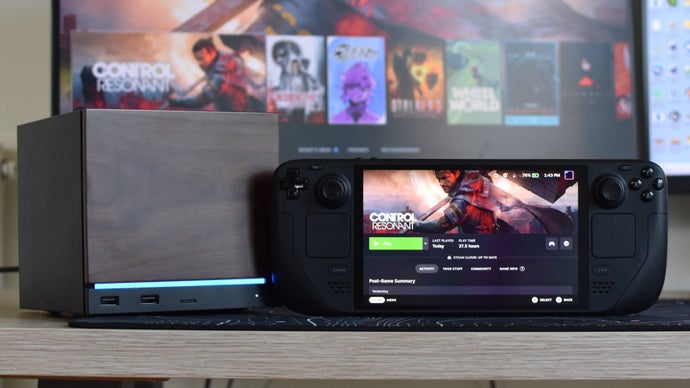
Control Resonant, Remedy Entertainment's character action sequel, performs adequately on the Steam Machine but fails to deliver on its promised Steam Deck support, disappointing portable gaming enthusiasts.
The game runs capably on Valve's living room PC hardware, maintaining functional performance during combat encounters and exploration sequences. However, the Steam Deck version falls short of expectations. Players hoping to experience Control Resonant in bed or during commutes face performance issues or instability that prevent the game from running optimally on Valve's handheld device.
Remedy had previously committed to bringing Control Resonant to Steam Deck with the game's launch. That pledge shaped purchasing decisions for many handheld-focused players. The studio's failure to meet this goal represents a broken promise in a market segment where portable AAA gaming remains relatively rare. Steam Deck owners have grown accustomed to receiving verified or playable status for major releases, but Control Resonant apparently does not meet those standards.
This setback arrives despite Control Resonant delivering on nearly every other front. The game achieves what reviewers wanted from a Remedy-developed action title. The developer packed the sequel with features and mechanics that seemed ambitious given the studio's pedigree with supernatural narratives and stylish combat systems. Control Resonant distinguishes itself within the character action genre by leaning into Remedy's signature visual direction and paranormal storytelling.
The disconnect between Steam Machine performance and Steam Deck functionality reveals a common porting challenge. Desktop Linux hardware and mobile gaming processors require different optimization approaches. A game running smoothly on the SteamOS operating system running on conventional CPU and GPU architecture does not automatically translate to smooth operation on the Steam Deck's custom APU hardware.
Storage requirements presented another obstacle during development. Control Resonant demands substantial SSD space, creating complications for Steam Deck users managing the device's limited storage. The portable system ships with 256GB or 512GB variants, and users face the choice between deleting other titles or purchasing external storage.
Remedy's misstep here affects the broader narrative around AAA game availability on handheld devices. Publishers increasingly recognize the Steam Deck market as worth supporting. When major releases fail to deliver promised handheld versions, it reinforces skepticism about platform commitment. Players remember broken promises more vividly than gradual performance improvements in later updates.
The situation does not render Control Resonant unplayable on handheld devices entirely. Some players report managing adequate performance through community configurations or compromised settings. However, the lack of official support means no verified status on the Steam Deck store page, no controller layout optimizations from Remedy, and no developer backing if issues arise post-launch.
Control Resonant succeeds as a character action experience on traditional gaming platforms. Its failure to reach Steam Deck represents a missed opportunity in a market hungry for portable AAA content. Players seeking sophisticated action games on handheld hardware will need to look elsewhere or accept technical compromise.