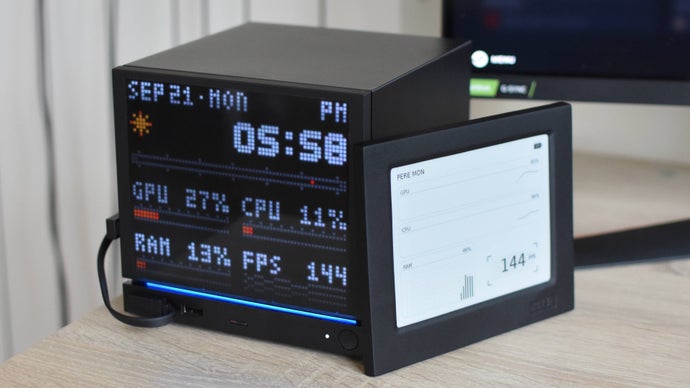
Third-party manufacturers are now producing affordable prefabricated faceplate screens for Steam Machines, offering players a budget-friendly alternative to Valve's official customization options and complex DIY builds.
The Steam Machine, Valve's living room PC initiative launched in 2015, has maintained a dedicated modding community despite the platform's limited commercial success. Customizing the machine's front panel has traditionally required either purchasing handmade options through Etsy, building your own E-Ink display using Valve's open-source Inkterface project, or commissioning custom work from third-party creators. Now prebuilt screen faceplates enter this market, potentially democratizing personalization for a hardware category that already appeals to enthusiasts willing to tinker.
These new prebuilt options arrive with a surprising price advantage. Valve's official DIY approach, while free in terms of software through the Inkterface open-source framework, demands technical knowledge, component sourcing, and assembly labor that inflate real-world costs. Etsy alternatives offer convenience but often command premium pricing. The prebuilt screens position themselves between these extremes, delivering manufactured quality without the Etsy markup or the Inkterface learning curve.
JSAUX, the accessory manufacturer visible in promotional imagery, leads this charge. The company has built reputation through Steam Deck dock solutions and other peripheral hardware, and extends that expertise toward Steam Machine customization. Prebuilt faceplates eliminate friction for players who want aesthetic upgrades but lack soldering skills or assembly confidence. Installation appears straightforward, appealing to the broader Steam Machine user base beyond hardcore modders.
The Steam Machine itself occupies a peculiar position in gaming hardware history. Launched as Valve's attempt to bring SteamOS and PC gaming to living rooms, the initiative never achieved mainstream adoption. Official Steam Machines from partners like Alienware and Corsair discontinued production. The platform survives through a passionate community of early adopters who continue using their machines and developing modifications. Faceplate customization represents low-stakes personalization for hardware that owners have already committed to long-term.
This development signals growing commercial recognition that Steam Machine owners, while numerically small, represent a stable niche. Rather than focusing on converting new users to a failed platform, manufacturers can profit from serving existing owners who seek incremental improvements. The same logic drives continued Steam Deck accessory development, where third parties recognize customer enthusiasm generates sustainable demand.
Pricing proves competitive enough to undercut typical Etsy offerings by meaningful margins while delivering consistent manufacturing quality. For Steam Machine owners tired of looking at the same generic beige plastic or wanting to differentiate their hardware, prebuilt screens offer immediate gratification without technical barriers. The screens also represent functional upgrades beyond pure aesthetics, potentially displaying system information, library content, or custom artwork on the machine's front panel.
Valve's passive support through open-source tools like Inkterface demonstrates the company's hands-off approach to Steam Machine development post-commercial failure. Rather than actively pushing updates or new features, Valve enables community solutions and third-party monetization. This ecosystem allows niche manufacturers to find opportunity in abandoned hardware, proving that failed consumer products can sustain healthy secondary markets if the original user base maintains engagement.
These prebuilt faceplate screens expand the customization ecosystem without requiring Valve's direct involvement, letting the Steam Machine community continue evolving its hardware long after official support ended.