# Lufia Finally Returns to Modern Hardware, But the Real Prize Is Lufia II
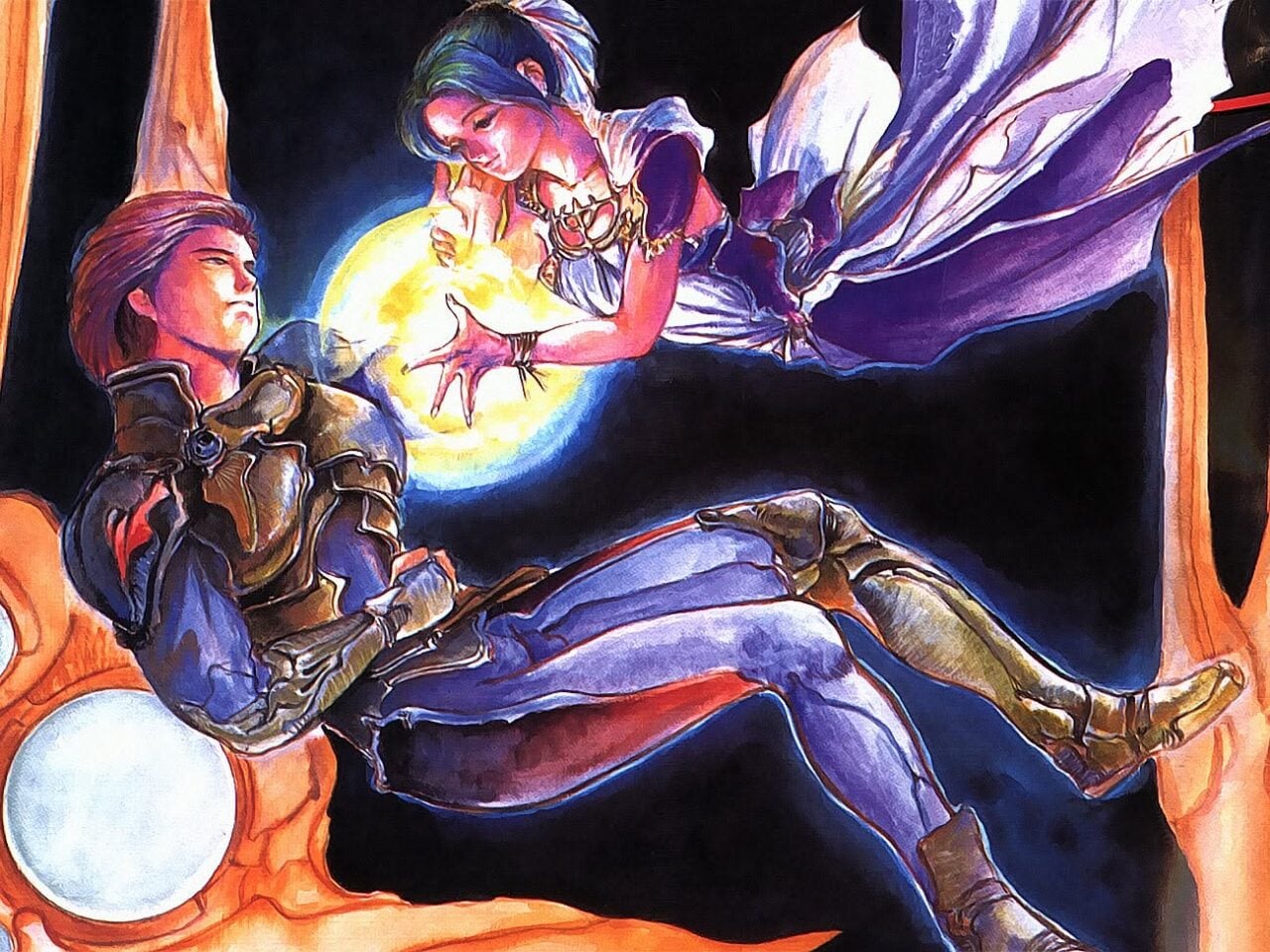
The Lufia franchise, dormant for three decades, is getting resurrected on modern platforms. The first two games in the series, originally released on Super Nintendo, are heading to contemporary devices through a long-awaited re-release. While the inaugural title may feel dated by today's standards, the deeper prize lies in Lufia II: Rise of the Sinistrals, a game that defined a generation of Super Nintendo RPGs and remains a benchmark for classic JRPG design.
Lufia debuted in 1993 as a traditional dungeon-crawling JRPG with turn-based combat and a straightforward narrative. Its success was modest but loyal. The game featured puzzle-heavy dungeons and a party system that encouraged strategic party composition, but mechanically it operated within the safe confines of early-90s genre conventions. Lufia II arrived in 1995 and transformed the formula entirely. The sequel introduced the legendary Capsule Monster system, a monster-catching mechanic that predated Pokemon by a year and gave players agency over their team composition in ways the original never achieved. Its dungeons became architectural marvels, filled with environmental puzzles that forced players to interact with the world rather than simply navigate it. The story reached for genuine emotional weight, dealing with themes of sacrifice and inevitability. The soundtrack, composed by Yoichi Miyaji, stands among the finest work produced on the SNES, with tracks like "Eldin Town" and the final battle theme etching themselves into memory.
For decades, both games existed in a licensing limbo. Taito developed the originals, but the IP rights scattered across multiple corporate restructures and acquisitions. Publisher Square Enix held the keys, and for years showed zero interest in resurrection. The announcement of these ports signals a shift in how the industry treats dormant catalog. Nintendo and Square Enix clearly see value in tapping nostalgia and introducing 16-bit comfort food to modern audiences raised on indie games and cross-platform availability.
The re-release arrives on Nintendo Switch, PlayStation 4, PlayStation 5, Xbox One, Xbox Series X/S, and PC via Steam. This multi-platform approach maximizes reach and acknowledges that modern gaming sprawls across hardware. Switch players particularly benefit, as these are exactly the games that suit handheld play. Fire Emblem Engage and Tactics Ogre: Reborn proved there's audience hunger for tactical, turn-based RPGs. Lufia II fits that appetite perfectly.
The ports appear to be straightforward emulations rather than full remakes, which cuts both ways. Purists appreciate the untouched experience, but modern quality-of-life features like save states, difficulty adjustments, and UI scaling would enhance accessibility. Still, the games remain fully playable and their design holds up better than most contemporary titles. Lufia II especially demonstrates that puzzle design and pacing can transcend hardware limitations.
This release matters beyond nostalgia servicing. It signals that Square Enix recognizes demand for deep, single-player RPGs with substance. It proves that 30-year-old games can find new audiences. And it opens a door for other forgotten SNES gems gathering dust in corporate vaults. Whether this becomes a revival or a one-off remains unclear, but the reappearance of Lufia marks a small but genuine correction in how the industry values its history.