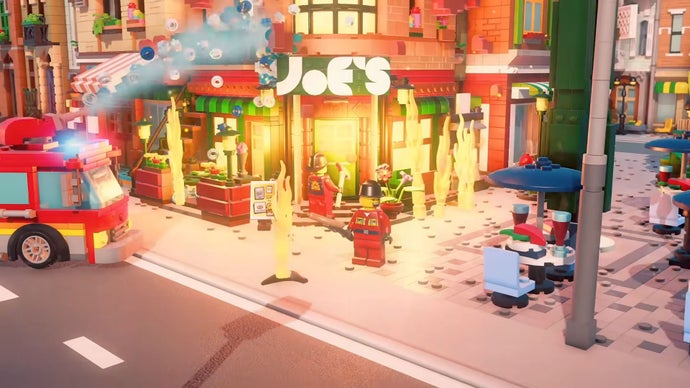
Iceflake Studios made a deliberate design choice for LEGO Skylines. The team considered implementing brick-by-brick building mechanics but ultimately rejected the concept as too demanding for players. Instead, the developers landed on what they describe as "a quite beautiful compromise" for the upcoming city-builder.
LEGO Skylines represents a collaboration between Iceflake Studios, the developer behind Cities: Skylines 2 and Surviving the Aftermath, with Paradox Interactive handling publishing duties. The game enters a crowded market of construction and city management games, but with the distinctive LEGO aesthetic and simplified mechanics that appeal to broader audiences than traditional complex sims.
The brick-by-brick building mechanic would have mirrored actual LEGO construction experiences. Individual blocks placed one at a time creates authenticity but introduces friction. Early playtesting likely revealed that players wanted creative freedom without micromanagement fatigue. A city-building game already demands dozens of decisions about zoning, traffic flow, utilities, and services. Adding granular brick placement on top of those systems would overwhelm casual players while alienating the core audience Paradox targets with licensed LEGO titles.
Iceflake's compromise approach maintains the visual LEGO identity while streamlining interaction. Players can still recognize the blocky aesthetic and colorful plastic charm that defines the LEGO brand. Buildings appear constructed from recognizable bricks. The world feels authentically LEGO without requiring players to spend hours snapping individual pieces together. This balances authenticity with accessibility, a recurring tension in licensed games.
Early impressions from preview builds show promise. One journalist created a functioning city layout featuring coffee shops, residential zones, farms, and playgrounds within an hour of play. This rapid progress suggests the interface doesn't obstruct creativity or pace. The ability to organize zones and watch a city develop without getting bogged down in tedious construction steps makes the game approachable for younger players and returning city-builder fans alike.
The LEGO Skylines announcement follows a broader industry trend of established franchises partnering with LEGO for gaming experiences. This differs from traditional LEGO video games developed by TT Games. Instead, Paradox Interactive leverages the LEGO license to introduce their proven city-building formula to audiences who love LEGO's brand but might not engage with hardcore management sims. The Cities: Skylines 2 engine provides a solid foundation, and Iceflake's experience with both that title and survival-management hybrid Surviving the Aftermath means they understand balancing complexity with fun.
The "quite beautiful compromise" represents how modern game developers navigate competing design priorities. Authenticity to source material matters, but player experience trumps strict adherence to real LEGO building mechanics. LEGO Skylines accepts that digital play works differently than physical bricks. The game lets players focus on city planning strategy and creative expression rather than tedious block placement. This decision likely positions LEGO Skylines to reach wider audiences than a brick-by-brick system would have allowed, making it a smarter commercial move while maintaining the visual and thematic identity that makes LEGO games instantly recognizable.