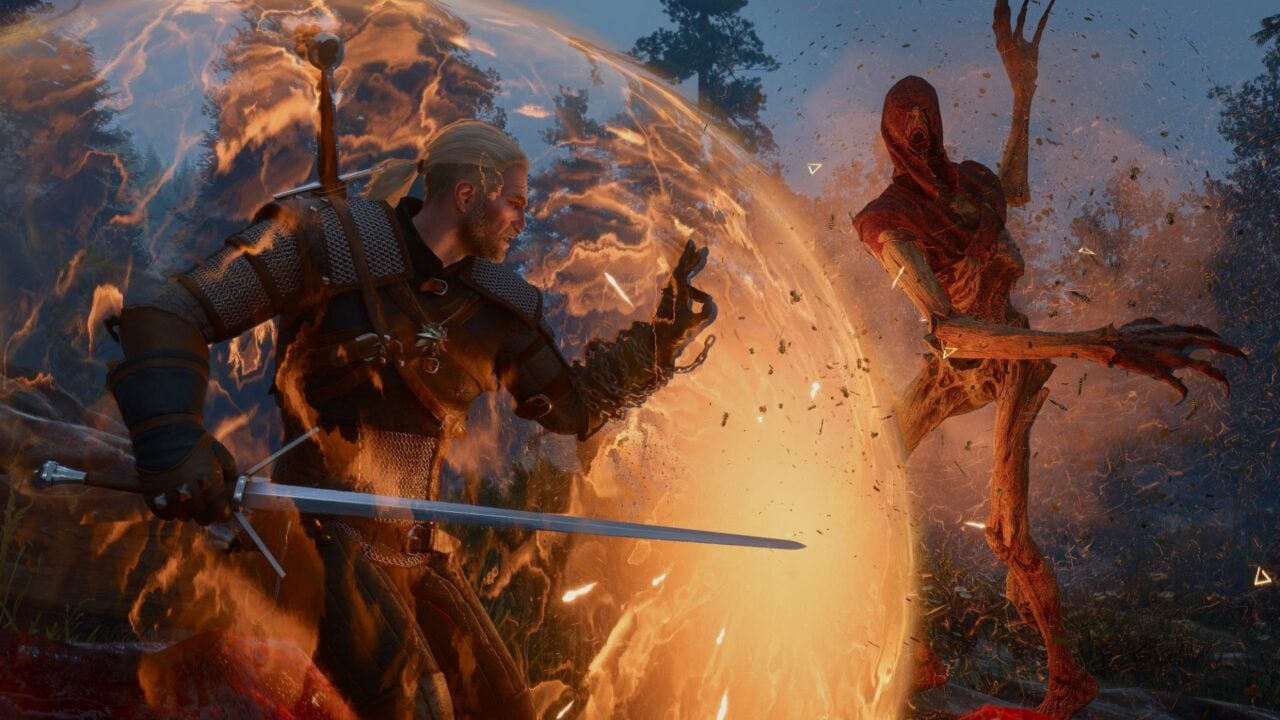
CD Projekt Red's strategy for The Witcher 3 Remastered on Nintendo Switch 2 offers a substantial upgrade path for existing players. Anyone with a physical copy of The Witcher 3 on the original Nintendo Switch can redeem a free digital copy of the remastered version on Switch 2, even if they return or sell the original cartridge afterward.
This approach removes friction from the transition. Players don't need to maintain possession of their old physical copy to access the new version. Once the redemption code processes, the digital license stays tied to the account. This matters for players with limited storage who may have traded in their original cartridges or lent them to friends.
The Witcher 3 Remastered represents a substantial technical overhaul. The original Switch port, released in 2019, made significant compromises to fit the open-world RPG onto Nintendo's handheld hardware. Performance hovered around 30 frames per second in handheld mode, with dynamic resolution scaling and reduced visual fidelity. The remaster targets 60 frames per second on Switch 2's more powerful hardware, along with improved draw distance, enhanced lighting, and higher resolution textures.
Nintendo Switch 2 arrives in early 2025 with approximately four times the performance of the original Switch. This horsepower matters for demanding ports like The Witcher 3. The remaster takes advantage of the generational leap, delivering visuals closer to the PlayStation 4 and Xbox One versions from 2015.
CD Projekt Red hasn't announced many other free upgrade paths for Witcher 3 on Switch 2. Players upgrading from PlayStation, Xbox, or PC receive no automatic digital copy, though they may receive discounts. The physical-to-digital redemption is exclusive to Switch owners, reflecting Nintendo's specific push to make the transition accessible.
This decision also protects CD Projekt Red's business interests. Players who paid full price for The Witcher 3 on Switch represent a core audience likely to purchase Switch 2 at launch. Offering them a free upgrade removes a barrier to early adoption and generates goodwill ahead of the console's release. It also encourages players to double-dip on hardware without requiring them to repurchase software.
The timing aligns with Switch 2's launch window. Major publishers typically bundle upgrade offers and special editions around console launches to drive hardware sales. Square Enix offered similar strategies with Kingdom Hearts games on Switch. CD Projekt Red's approach borrows from this playbook while differentiating through the no-ownership-required redemption structure.
Switch 2 launches with a limited launch window library. Having The Witcher 3 Remastered available immediately provides substantial content for early adopters. The game originally took 100-150 hours to complete for players who engaged side quests and exploration. On Switch 2, the improved performance makes extended play sessions more comfortable than on the original hardware.
This redemption policy sets expectations for how publishers handle legacy content on new hardware. Future ports and remasters may reference this precedent. The gaming industry continues shifting toward digital distribution and account-based licensing. CD Projekt Red's approach demonstrates how physical ownership can translate into digital access on new platforms.