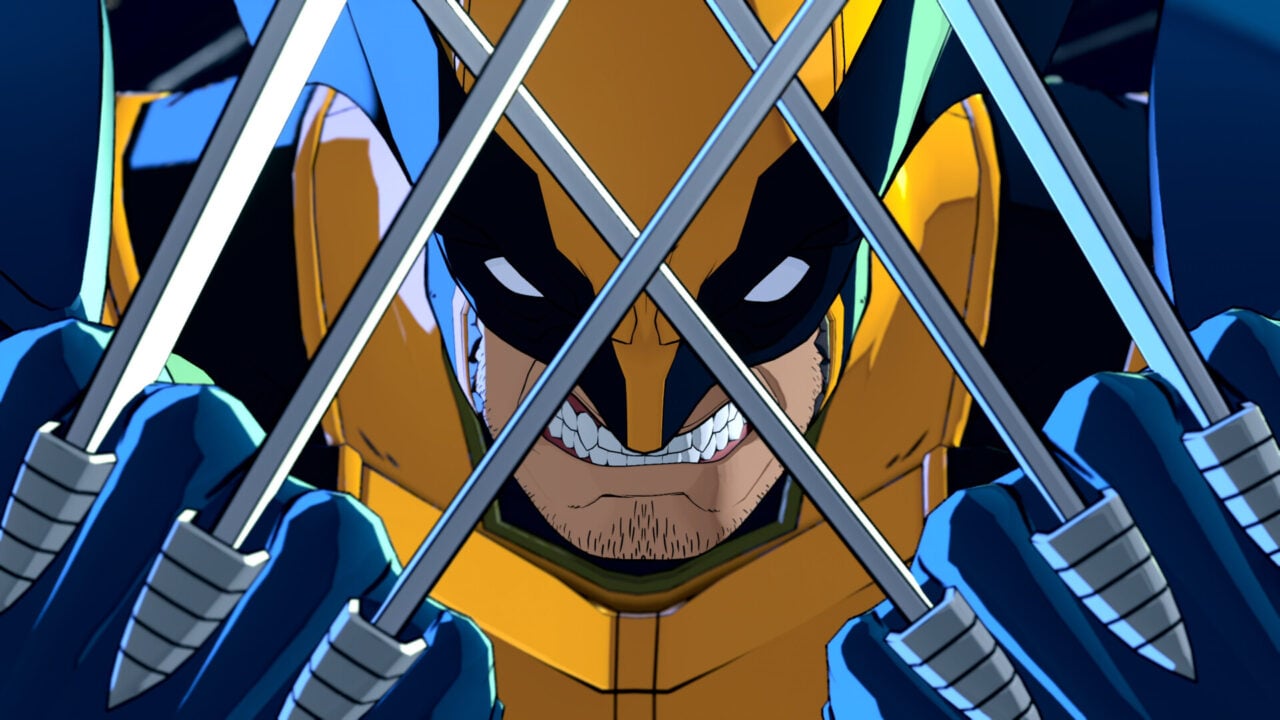
Marvel Tōkon: Fighting Souls has collapsed to triple-digit concurrent player counts on Steam, marking a dramatic decline for the Marvel fighting game that launched earlier this year. The title, developed by NetEase and published under the Marvel banner, now struggles to maintain a viable multiplayer ecosystem on the PC platform.
The game's player base has eroded faster than expected. Peak concurrent player counts have dropped below 1,000 on Steam, a catastrophic fall for any multiplayer-dependent fighter that relies on consistent matchmaking and seasonal content cycles. This trajectory mirrors the fate of other licensed fighting games that failed to gain traction with the core fighting game community.
The root cause traces directly to poor sales performance at launch. Marvel Tōkon: Fighting Souls arrived with considerable fanfare and Marvel's institutional backing, yet failed to convert interest into sustained revenue. The monetization model, game balance decisions, or content roadmap apparently failed to retain players beyond the initial launch window. Without a healthy player base, the game cannot sustain itself, creating a vicious cycle where new players find empty matchmaking queues and abandon the title.
This outcome matters within the broader context of fighting game saturation. The genre remains dominated by established franchises like Street Fighter 6, Tekken 8, Mortal Kombat 1, and Marvel vs. Capcom Fighting Collection. NetEase's attempt to carve out space in this crowded market with a Marvel-branded fighter simply did not resonate. The company's development pedigree in mobile gaming and live-service titles did not translate to fighting game design excellence.
Marvel's involvement could not salvage the launch either. The MCU's cultural penetration typically carries over to gaming, but fighting games operate under different consumer psychology than action or story-driven titles. Players select fighters based on mechanical depth, balance, and community health, not intellectual property alone. Spider-Man and Iron Man skins cannot compensate for fundamental gameplay issues or poor netcode.
The situation reflects broader challenges for licensed fighting games in the modern era. Capcom's Street Fighter 6 succeeded by focusing on robust netcode, excellent single-player content, and deliberate balance patches. Most licensed competitors lack this dedication. Marvel Tōkon: Fighting Souls apparently failed to meet these baseline expectations.
NetEase now faces the uncomfortable decision of whether to invest in a recovery campaign or wind down the title. With player counts this low, matchmaking becomes impossible, especially in ranked modes. New player retention crumbles when queue times exceed minutes. The company could attempt to rebrand, add significant content, and reduce monetization barriers, but the reputational damage may prove insurmountable.
Steam's transparency makes this decline visible to the entire industry. Every publisher and developer watches these public player count metrics. Marvel Tōkon: Fighting Souls serves as a cautionary tale about assuming brand strength substitutes for game quality in the fighting game vertical.
The game's struggle underscores that fighting game communities care deeply about substance over licensing. Without addressable technical issues and compelling gameplay loops, even Marvel's resources cannot guarantee success in this demanding genre.