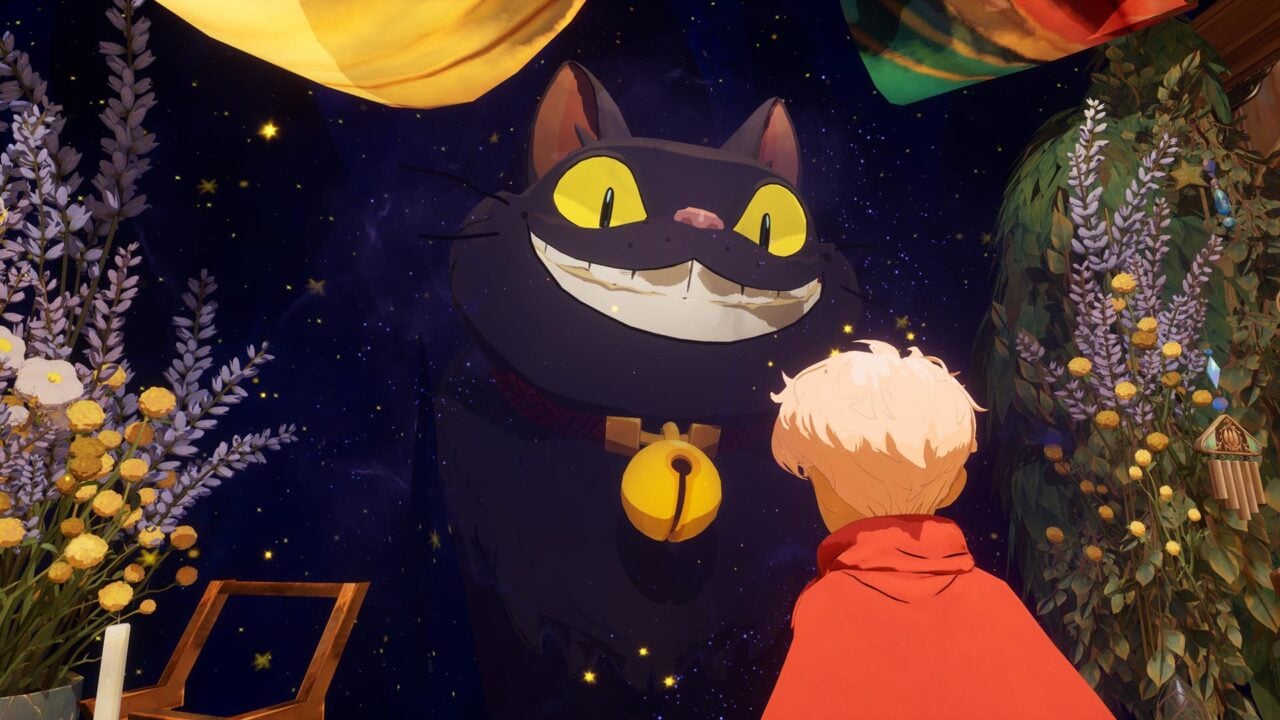
Netmarble confirmed that Bloomwalker, its cozy crafting adventure game, now operates as an official spin-off within the Ni no Kuni universe. The studio's decision adds another title to Level-5 and Studio Ghibli's beloved fantasy franchise, which has spawned multiple games and anime projects since the original Ni no Kuni launched in 2010.
Bloomwalker caught attention from players and critics alike for its Studio Ghibli-adjacent aesthetic. The game's hand-drawn art style mirrors the whimsical, colorful world-building that defines Ghibli's animation work. Rather than the action-RPG combat that anchors the main Ni no Kuni entries, Bloomwalker emphasizes exploration, crafting systems, and narrative-driven gameplay. This design philosophy appeals to players seeking relaxed, creative gameplay over high-stakes battles.
The formal integration into the Ni no Kuni canon represents a strategic move for Netmarble. The publisher has invested heavily in mobile and casual gaming spaces, where cozy sims and crafting games command strong engagement numbers. By tying Bloomwalker to an established IP with millions of dedicated fans, Netmarble positions the game to capture both newcomers and series veterans. Players familiar with Ni no Kuni's lore and characters now have another entry point into that world, albeit through a completely different gameplay lens.
Ni no Kuni holds particular weight in gaming history. The 2010 DS title, developed by Level-5 with animation by Studio Ghibli, became a landmark collaboration between game development and professional animation studios. Its 2012 PlayStation 3 sequel cemented the franchise's reputation for gorgeous visuals and emotionally resonant storytelling. The franchise expanded into mobile games, a Netflix anime series, and merchandise that generates substantial revenue across multiple platforms.
This move reflects broader industry trends. Publishers increasingly leverage established franchises to support games in different genres and for different audiences. A cozy crafting sim bearing the Ni no Kuni name carries built-in brand recognition that pure original IP cannot match. Marketing becomes simpler. Player trust in the universe already exists.
For Netmarble specifically, the decision strengthens their position in the accessible gaming market. The studio operates major titles like Marvel Future Revolution and Diablo Immortal, but cozy gameplay sits outside their usual wheelhouse. Bloomwalker's Ghibli-inspired presentation and crafting mechanics target a demographic that overlaps with but differs from their action-game players. Studio Ghibli's visual language continues to influence game design across the industry, and Bloomwalker demonstrates that influence extends beyond the main Ni no Kuni entries.
The spin-off approach also shields the main franchise from experimental gameplay shifts. Should Bloomwalker underperform or face criticism for straying too far from traditional Ni no Kuni systems, the franchise's core identity remains intact. Conversely, if the game succeeds, it validates the universe's ability to support multiple gameplay styles and confirms there's audience appetite for cozy content set in that world.
Bloomwalker's official status as a Ni no Kuni spin-off positions the game for stronger performance than it might achieve as a standalone title. It enters a market crowded with cozy sims and crafting games, but few carry the prestige and visual polish of Studio Ghibli's aesthetic paired with an established narrative universe.