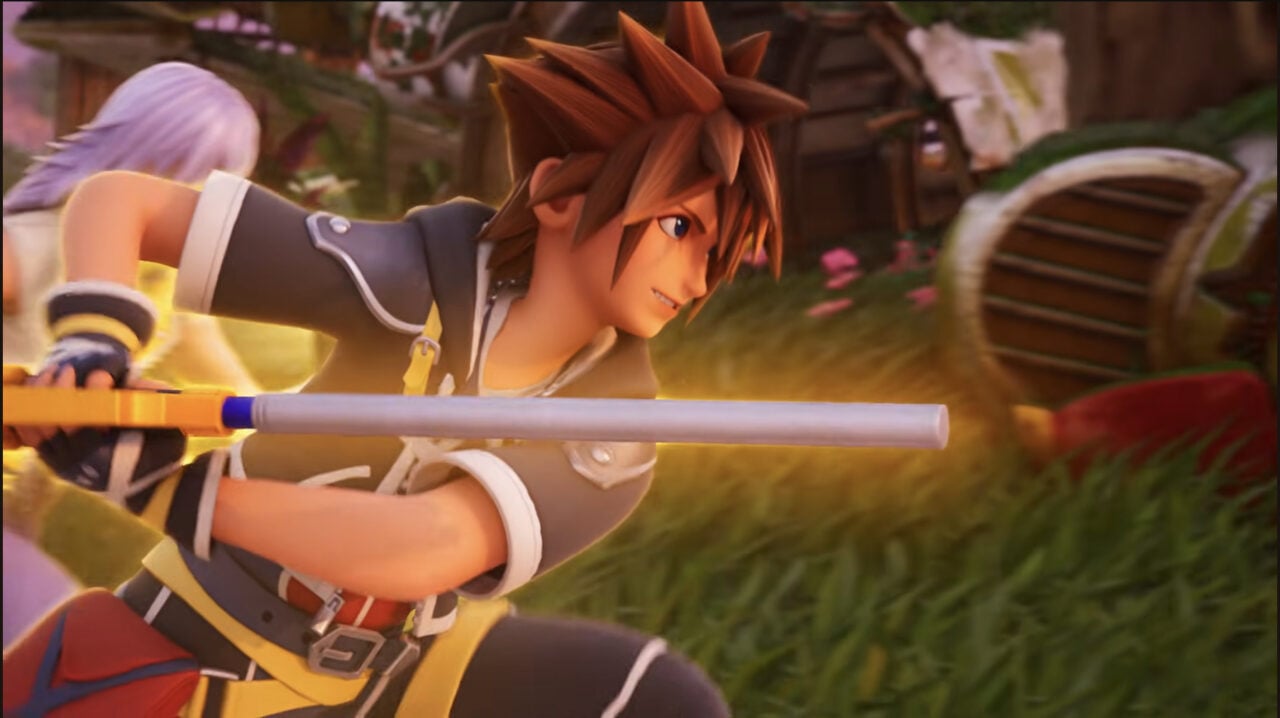
# The Kingdom Hearts Fortnite Collaboration Hits Different With Utada's "Sanctuary"
Epic Games nailed the emotional core of Kingdom Hearts by anchoring its Fortnite crossover trailer around Hikaru Utada's "Sanctuary," the franchise's iconic theme. The creative decision transforms what could have been a straightforward cosmetic announcement into something that resonates with players who spent years chasing Sora across Disney worlds.
The trailer demonstrates sophisticated understanding of Kingdom Hearts' identity. The series thrives on nostalgia, melancholy, and the tension between light and darkness. Slotting "Sanctuary" into the announcement works because the song carries two decades of emotional weight. Players who grew up with Kingdom Hearts 2 immediately recognize those opening piano notes. That recognition becomes the entry point for the crossover's appeal.
This collaboration represents Fortnite's continued strategy of licensing major IP for cosmetics and seasonal events. Square Enix, Disney, and Epic Games coordinated to bring Sora and related cosmetics into the battle royale. The partnership extends beyond a single skin drop. Kingdom Hearts cosmetics, emotes, and weapon wraps signal a deeper integration into Fortnite's seasonal ecosystem.
Kingdom Hearts players occupy a unique position in gaming fandom. The franchise maintained a devoted core audience despite convoluted storytelling, fragmented platform exclusivity, and irregular release schedules. Kingdom Hearts 3 released in 2019 on PlayStation 4 and Xbox One, but earlier entries remained locked to Nintendo handhelds and PlayStation systems. That accessibility challenge meant reaching Kingdom Hearts fans required going to where they spend time, and for many, that's Fortnite.
The trailer's effectiveness reveals how cosmetic marketing works in live service games. Epic understands that licensing popular franchises isn't just about selling skins. It's about creating moments. A well-produced trailer with the right soundtrack transforms a monetization event into cultural content. Players share clips. They discuss the crossover across social media. The trailer becomes shareable in ways that raw product announcements never achieve.
Kingdom Hearts' anime-influenced aesthetic actually translates well into Fortnite's art direction. Sora's proportions, the keyblade designs, and the series' vibrant color palette fit alongside Fortnite's existing cosmetic library. Unlike some crossovers that feel awkward when dropped into Fortnite's visual language, Kingdom Hearts cosmetics appear purposeful and intentional.
This partnership also reflects broader changes in how traditional gaming franchises approach player acquisition. Kingdom Hearts 4 is in development, but that game won't launch until years from now. By placing Sora and other Kingdom Hearts characters in Fortnite, Square Enix keeps the franchise in player consciousness during the gap between releases. Cosmetic crossovers serve as extended marketing for upcoming mainline games.
The specific choice of "Sanctuary" matters more than surface analysis suggests. Epic's trailer creators could have used instrumental versions or commissioned original music. Instead, they licensed a beloved vocal track that instantly establishes emotional context. That decision signals respect for the source material and understanding of why players care about Kingdom Hearts in the first place.
Fortnite cosmetics function as digital fashion statements, and Kingdom Hearts cosmetics let players express affinity for a beloved franchise while playing. The crossover validates both properties. Fortnite gains prestige through association with Square Enix's legacy IP, while Kingdom Hearts reaches millions of active Fortnite players who might not otherwise engage with the series.