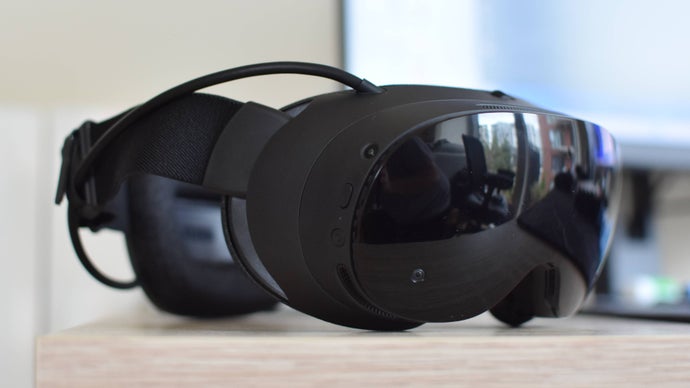
Valve opted to maintain the Steam Frame's original hardware specifications rather than downgrade components to keep prices lower, according to statements from the company. The decision meant accepting higher launch prices instead of compromising on the product's capabilities.
The Steam Frame VR headset arrives with pricing that exceeded initial expectations, with the entry-level model starting at $889. This price point reflects Valve's commitment to preserving the device's technical prowess during a period of elevated component costs across the PC market.
The company faced a familiar dilemma that previously affected Steam Machines. Supply chain disruptions and memory shortages have driven up costs for critical PC components, including RAM and processing power. Rather than respond by cutting specifications, Valve determined that maintaining performance standards better served the VR market and its audience. The choice prioritizes the user experience over aggressive cost positioning.
Valve's decision reveals how the company weighs product integrity against market accessibility. A stripped-down Steam Frame with reduced RAM or processing power would have commanded lower prices but potentially hobbled its standalone VR capabilities. The Steam Frame functions as a fully autonomous VR system, meaning it doesn't require a PC connection to operate. That architecture makes it vulnerable to the same component inflation affecting traditional gaming PCs and laptops.
The Steam Frame represents Valve's latest push into VR hardware after the Index headset. Unlike the Index, which requires a PC tether, the Steam Frame offers standalone functionality alongside PC connectivity options. This dual capability demands robust onboard hardware, making specification cuts far more damaging to the product's core value proposition.
The broader market context matters here. VR headsets occupy an expensive niche already. Meta's Quest Pro commands $1,500. Apple's Vision Pro starts at $3,499. Against that landscape, the Steam Frame's $889 entry price positions it aggressively despite Valve's inability to hit lower numbers. The company's decision to preserve specs rather than reduce them suggests confidence that buyers will accept the current pricing in exchange for uncompromised performance.
However, this approach carries risk. PC component costs remain elevated but gradually normalizing. Competitors may eventually offer comparable hardware at lower prices as supply chains stabilize. Valve's willingness to absorb higher component costs into the Steam Frame's launch pricing gambles that early adopters prioritize performance and Valve's brand over price savings.
The Steam Frame enters a crowded VR market. Meta controls the standalone headset space with Quest models. PlayStation VR2 targets console gamers. Valve's strength lies in its Steam ecosystem integration and PC gaming credentials. The Steam Frame leverages that advantage by functioning as a bridge between VR and traditional PC gaming, justifying its premium positioning.
Valve's decision also reflects lessons from Steam Machines. That initiative arrived overpriced and underpowered, ultimately failing to establish mainstream traction. By maintaining specification ambitions rather than cutting corners to hit aggressive price targets, Valve attempts to avoid repeating that mistake. The company prioritizes launching a product it believes in over launching a cheaper product that underwhelms.
The memory shortage that plagued PC manufacturing during RAMnessgeddon continues affecting hardware pricing. This persistent pressure means the Steam Frame will likely see price reductions only as broader component supply stabilizes. Until then, Valve has elected to preserve its vision for the headset rather than compromise it at launch.