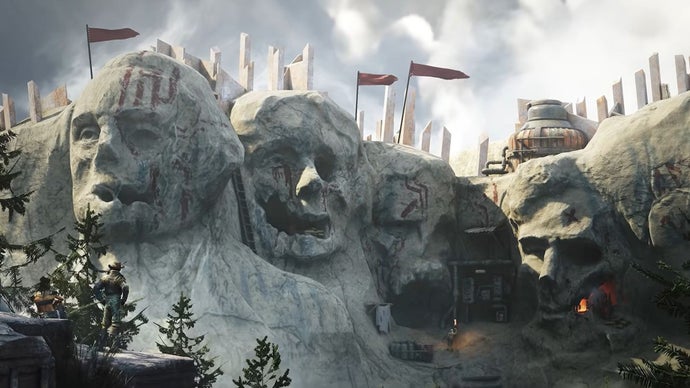
Paradox Interactive is building procedural history into Afterworld, its post-apocalyptic grand strategy title. Each playthrough generates a unique 200-year timeline for North America's collapse, meaning no two campaigns share the same backstory of nuclear devastation, bioweapon deployment, or chemical weapons deployment.
The studio behind Crusader Kings and Europa Universalis has embedded a procedural system that functions like a "virtual historian." This system determines where superpowers unleashed their worst weapons during the game's fictional great war. The approach fundamentally changes how players experience Afterworld's setting and lore. Rather than inheriting a fixed canonical history, players encounter entirely different geopolitical conditions each session.
This design philosophy reflects Paradox's expertise in grand strategy systems. The Stockholm-based developer has spent two decades refining simulation mechanics that generate emergent narratives. Crusader Kings produces wildly different dynasty stories across playthroughs. Europa Universalis rewrites European history constantly. Afterworld extends this principle to worldbuilding itself.
The procedural history system serves multiple functions. It increases replayability by ensuring fresh strategic contexts. Players cannot memorize optimal faction movements or resource locations because the map's history changes. A region devastated by nuclear strike in one run might harbor a thriving faction in another. Weapon deployment patterns shift. Power vacuums emerge in different locations.
Afterworld's setting pulls from Fallout's aesthetic and themes. The game features factions including cannibal cults, suggesting Paradox is leaning into post-apocalyptic horror rather than straightforward survival narratives. North America becomes a canvas for competing ideologies and survival strategies rather than a predetermined stage.
Paradox has positioned Afterworld as a test of grand strategy conventions. Most titles in the genre present players with historical or pseudo-historical starting conditions. EU4 locks players into 1444. CK3 locks players into 867. Afterworld generates its own 200-year prologue before the player even clicks start. This approach demands stronger simulation systems because players cannot benefit from community knowledge about optimal strategies for specific historical scenarios.
The procedural history system also impacts gameplay storytelling. Events, faction origins, and resource scarcity trace back to specific weapon deployments. A faction's religious fervor might stem from surviving a bioweapon strike that killed everyone else in their region. Trade routes form around geographical safe zones. Diplomatic relationships reflect shared survival experiences.
This technology development occurs as Paradox faces scrutiny over live-service integration in historical grand strategy titles. Victoria 3 and recent Crusader Kings 3 expansions emphasize subscription content. Afterworld's focus on procedural generation and increased replayability suggests the studio recognizes player demand for deep single-player experiences that don't require constant DLC purchases.
Release timing remains unconfirmed. Paradox typically undergoes extensive beta testing for grand strategy releases. Afterworld will likely enter early access before a full launch, giving the studio data on whether procedural history generation delivers on replayability promises.