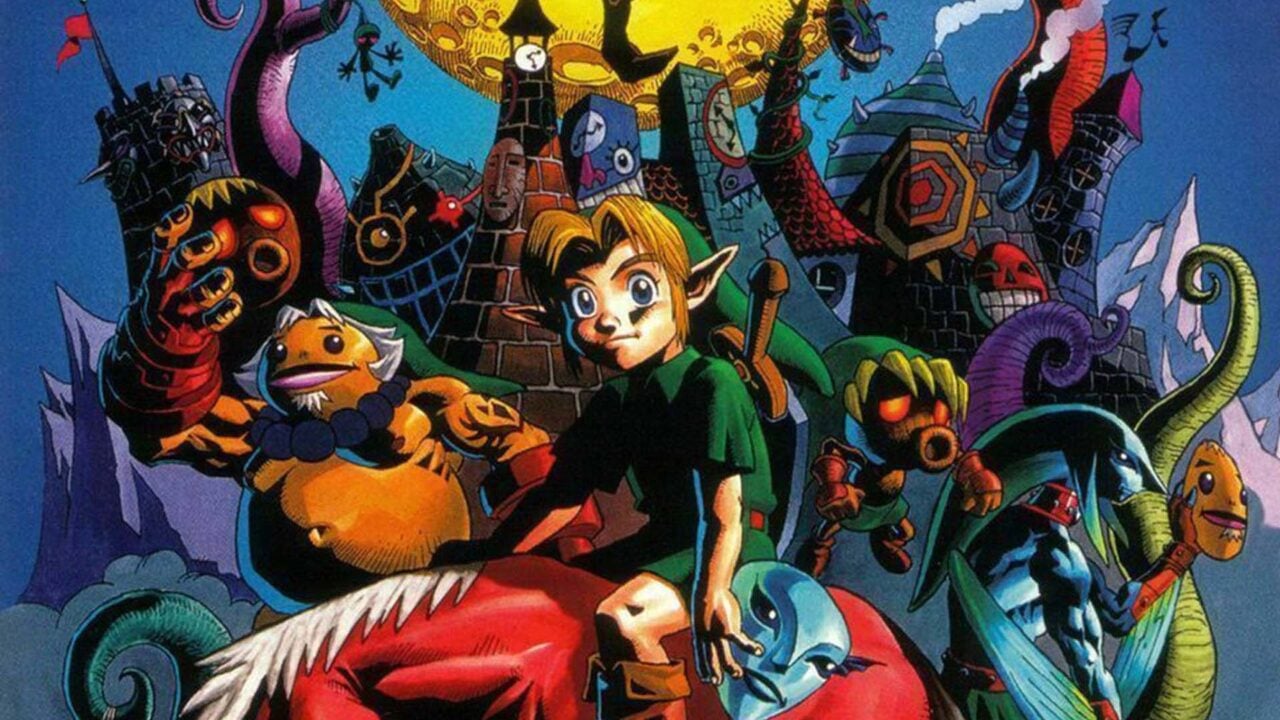
Takaya Imamura, the art director behind The Legend of Zelda: Majora's Mask, faced swift community backlash after revealing he used AI tools during the prototyping phase of a creative test. Imamura expressed surprise at the intensity of the negative response, stating he was "getting slammed this hard" for incorporating artificial intelligence into his design work.
The controversy centers on a prototype Imamura shared publicly, which he developed with AI assistance to explore visual concepts. The decision to disclose this methodology triggered debate within gaming communities about AI's role in game development, particularly concerning artistic integrity and the displacement of traditional creative labor.
Imamura's use of AI for prototyping sits within a broader industry conversation. Game developers increasingly experiment with AI tools for rapid iteration and concept exploration. However, public sentiment remains divided. Many players and artists view AI-generated content as ethically problematic, especially when trained on existing artwork without compensation or consent. Others see AI as a legitimate tool for accelerating development pipelines.
The Majora's Mask art director's experience reveals the minefield developers navigate when discussing AI adoption openly. His surprise at community reaction underscores how differently the industry and players perceive these technologies. Developers often view AI as a practical efficiency tool for tasks like prototyping. Players and artists frequently interpret AI usage as devaluing human creativity and undercutting skilled professionals.
Imamura's situation mirrors similar controversies across tech and creative industries. Game studios have faced criticism for AI experiments, from Stability AI's involvement in industry partnerships to debates over AI art generation in visual media production. The gaming community has proven particularly vocal about AI tools, given the industry's reliance on talented artists, animators, and designers.
The prototype test itself likely aimed to demonstrate feasibility or explore aesthetic directions without committing full resources. This represents a standard development practice. Using AI to speed conceptual work remains common in studios worldwide. The controversy stems not from the methodology itself but from its public acknowledgment and the emotional response it triggered.
What happens next matters for industry precedent. If established figures like Imamura face significant backlash for transparent AI discussions, other developers may simply use AI quietly without disclosing it. Alternatively, the gaming community's reaction might encourage studios to establish clearer policies about when and how AI tools are acceptable in development pipelines.
The incident highlights a disconnect between developer pragmatism and player values. Imamura's team at Nintendo remains one of gaming's most respected creative forces, yet transparency about their methods generated controversy rather than constructive dialogue. This dynamic will shape how studios communicate about AI integration moving forward.