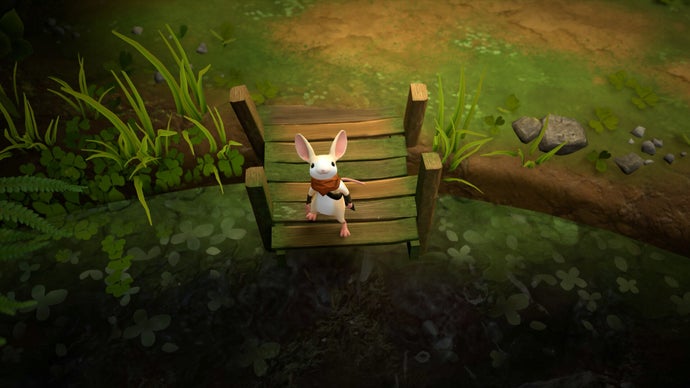
Polyarc Games, the studio behind the beloved Moss franchise, is shutting down just two months after launching Moss: The Forgotten Relic. The developer announced the closure via LinkedIn this week, stating it is ending "active development."
The timing represents a brutal turn for Polyarc. Moss: The Forgotten Relic released in July as a non-VR consolidation of the original two Moss titles, attempting to expand the franchise's reach beyond PlayStation VR and Meta Quest headsets to mainstream console and PC audiences. The game combined both entries into a single, polished package targeting players who had never experienced the series in its original virtual reality form.
Polyarc's decision to strip away VR functionality came as a calculated bet on broader market appeal. The Moss games earned critical praise for their VR implementation, puzzle design, and charming protagonist Quill, but VR adoption remains a niche segment. A non-VR version promised to unlock the franchise for the millions of players on PlayStation 5, Xbox Series X/S, and PC without requiring expensive headset hardware. The strategy made logical sense in theory. The execution apparently did not pay off.
The studio's collapse within weeks of launch raises uncomfortable questions about the Moss franchise's commercial viability and the challenges smaller developers face when attempting to revitalize aging IP. Polyarc was not a massive studio with venture backing or a corporate parent cushioning failed launches. The company bet its future on Moss: The Forgotten Relic performing well enough to sustain operations. Those bets evidently did not materialize into sales figures that justified continued operation.
This shutdown highlights a recurring industry pattern. Indie and mid-size studios frequently launch games expecting breakeven or profitability within specific windows. When launches underperform, cash reserves deplete rapidly, and studios fold within months rather than years. Polyarc had no large publisher funding this release, no live service revenue stream to subsidize losses, and no established user base guaranteeing day-one purchases.
The Moss franchise itself retains cultural significance within VR circles, but its commercial reach outside that ecosystem proved limited. This suggests the original VR exclusivity, while limiting potential audience size, created a dedicated fanbase with differentiated demand. Converting that VR-specific appeal into mainstream console success requires different marketing, different pricing strategies, and different player expectations. Polyarc's release timing, marketing budget, and market positioning apparently failed to bridge that gap.
For players invested in the Moss universe, this closure represents an abrupt end to potential franchise development. No sequel is in active development. The studio will not provide ongoing updates or support for Moss: The Forgotten Relic beyond what shipped at launch.
The broader lesson applies to publishers considering VR exclusivity versus multiplatform accessibility. Expanding reach sounds strategically sound until the expansion fails to generate revenue sufficient for studio survival. Polyarc's shutdown illustrates that good game design and strategic expansion choices do not guarantee commercial success, particularly for smaller teams entering competitive markets with limited marketing resources and no established distribution advantage.