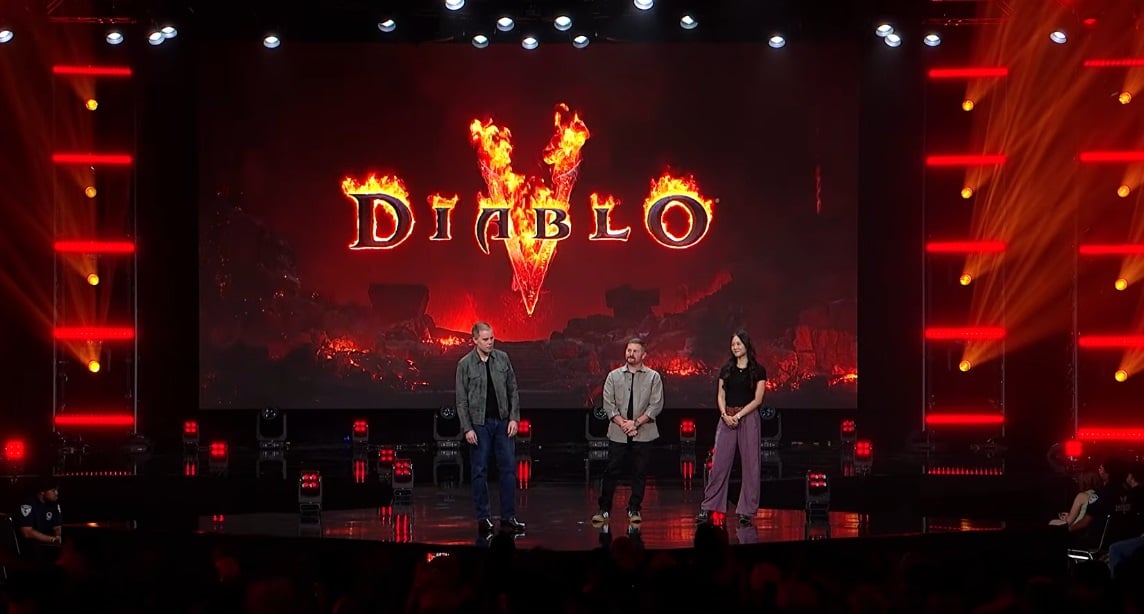
Blizzard Entertainment announced Diablo 5 and a new StarCraft title years before launch, a strategy that marks a significant departure from the studio's traditional silence on future projects. The publisher revealed these franchises during its latest earnings call and investor presentations, prioritizing transparency with shareholders over the usual secrecy surrounding major releases.
The timing reflects broader pressures facing Blizzard. The studio executed substantial layoffs in recent years, with workforce reductions affecting multiple departments. Leadership signaled that early announcement serves multiple purposes: rebuilding investor confidence, demonstrating pipeline strength to Wall Street, and reassuring players that flagship franchises remain in active development despite internal turmoil.
Diablo 5 represents a return to Blizzard's most commercially successful action-RPG franchise. Diablo 4 launched in June 2023 to strong sales, though player retention proved uneven throughout its first year. A full sequel announcement this early suggests Blizzard wants to capitalize on renewed franchise momentum while signaling long-term commitment to the property. StarCraft's next installment carries similar weight. The real-time strategy series defined Blizzard's competitive gaming pedigree, and StarCraft 2 remains an esports cornerstone in South Korea despite launching in 2010.
The disclosure strategy reveals how publicly traded game studios now operate under intense scrutiny. Activision Blizzard trades on the Nasdaq, forcing the company to manage expectations with quarterly earnings reports and annual shareholder meetings. Early franchise announcements help stabilize stock perception by demonstrating that despite internal reorganization, the studio maintains creative vision and upcoming revenue drivers.
This approach contrasts sharply with Blizzard's historical playbook. The studio famously kept World of Warcraft Cataclysm under wraps for extended periods, building anticipation through controlled reveals at BlizzCon. That era benefited from different market conditions. Investor pressure on game publishers has intensified, particularly after several high-profile delays and cancellations across the industry.
The move also addresses persistent criticism about Blizzard's output cadence. Following the 2018 Diablo Immortal announcement backlash and extended gaps between major releases, players questioned whether the studio remained competitive. Early confirmation of two major franchises in active development counters narratives about creative stagnation or resource constraints.
However, early announcements carry risks. Players may withhold engagement from current titles while awaiting sequels. Development timelines slip, and public commitments become harder to rescind without reputational damage. Blizzard learned this lesson with Overwatch 2's rocky launch and prolonged battle pass criticism, where overpromises created player resentment.
The company faces a balancing act. Internally, Blizzard must rebuild team morale after layoffs decimated departments and leadership faced workplace culture investigations. Externally, the studio must convince investors and players that the worst has passed and innovation resumes. Announcing Diablo 5 and StarCraft's next chapter addresses both audiences simultaneously.
These announcements matter because they signal Blizzard's strategic bet on established franchises rather than experimental new IPs. The studio commits resources to properties with proven markets and legacy fanbases. Whether players and investors embrace this direction depends on execution speed and whether upcoming projects justify the early hype.