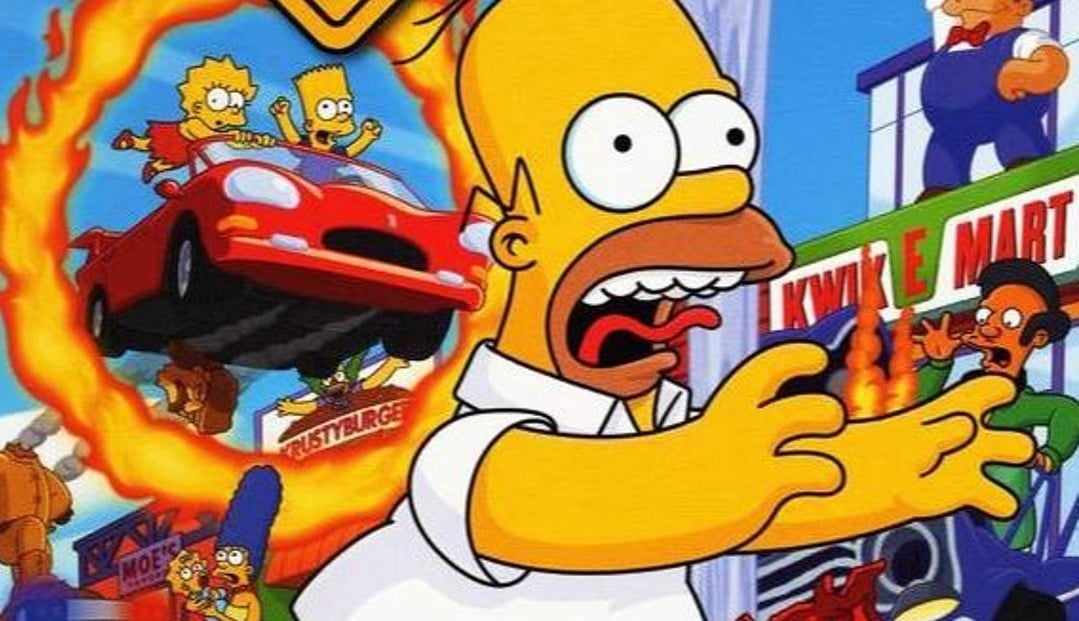
Matt Groening confirmed during a D23 fan event that The Simpsons: Hit & Run, the cult classic GTA-style sandbox game, could return to development. The creator fielded questions about the 2003 title, which Radical Entertainment developed for Fox Interactive, signaling renewed interest in reviving the franchise after two decades of silence.
Hit & Run launched across PlayStation 2, Xbox, and GameCube in December 2003. The game captured the open-world formula that Grand Theft Auto III pioneered, transplanting it into Springfield. Players drove as characters like Homer, Bart, and Marge through explorable neighborhoods, completing story missions and side objectives while causing cartoon mayhem. The soundtrack featured iconic Simpsons music, and the writing matched the show's irreverent tone.
The game achieved modest commercial success but developed a dedicated fanbase over the years. Emulation communities kept it alive, and streaming platforms renewed interest among younger players who never experienced the original release. Unlike GTA's violent crime narratives, Hit & Run offered family-friendly sandbox gameplay that differentiated it in a market dominated by Rockstar's franchise.
Groening's comments carry weight because The Simpsons sits at the intersection of massive IP value and complex licensing. Fox owns the character rights, but bringing back Hit & Run requires coordinating with modern publishers, securing voice talent, and navigating the legal landscape around GTA-style mechanics. A 2020 petition on Change.org gathered thousands of signatures demanding a reboot, proving the appetite exists.
The gaming industry has shifted since 2003. Open-world design now dominates AAA releases, but few licensed properties attempt the sandbox formula outside GTA clones. Saints Row, which launched in 2006 as a GTA alternative, survived multiple reboots and revivals. Volition just relaunched Saints Row in 2022 with mixed reception, suggesting there's room for another irreverent sandbox title.
Revival of dormant licensed games has accelerated recently. Studios greenlit reboots of properties like Splinter Cell and Perfect Dark to capitalize on nostalgia while IP holders seek new revenue streams. The Simpsons themselves launched Hit & Run merchandise during the game's original run, indicating Fox's willingness to monetize the property beyond animation.
Groening's "maybe" suggests the project remains early-stage or contingent on studio interest and budget approval. No publisher has formally announced development. Radical Entertainment, the original developer, shifted focus to licensing work for major franchises rather than original IP, making them unlikely candidates for a reboot. An external studio would handle development, requiring Fox to attract a partner with sandbox expertise and sufficient funding.
The Simpsons: Hit & Run exists in gaming history as an underrated gem that proved licensed properties could deliver quality sandbox experiences. A modern reboot would face pressure to justify its existence against free-to-play competitors and established franchises. But the underlying IP remains culturally relevant, the fanbase remains vocal, and the technology to create a faithful sequel exists.
Groening's comments represent the first official acknowledgment that Fox considers bringing Hit & Run back. Whether development actually happens depends on market conditions, publisher interest, and whether studios can recapture the original's charm without relying on dated GTA formula clones.