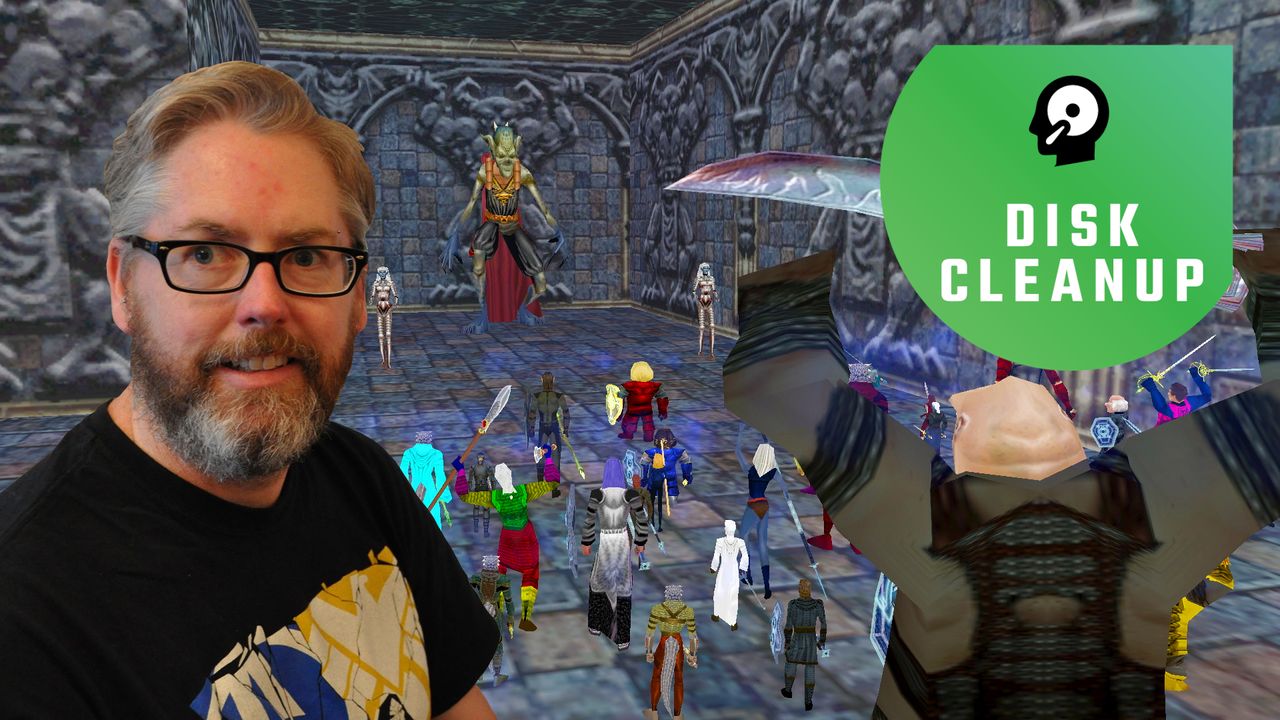
David Brevik, the visionary behind Diablo's dark action-RPG blueprint, recently shared his thoughts on game endings during a PC gaming retrospective. The Blizzard North co-founder critiqued what he considers the worst ending in any game he's experienced, though he balanced his criticism by praising the overall quality of the title.
Brevik's career shaped the looter-RPG genre that dominates gaming today. His work on the original Diablo established conventions that persist across franchises like Path of Exile, Diablo Immortal, and countless others. When a designer of his stature evaluates game design, the industry listens, particularly regarding narrative structure and player satisfaction.
The statement reveals a common tension in game design: a masterfully crafted experience can stumble at the finish line. Strong gameplay mechanics, compelling progression systems, and world-building don't guarantee satisfying narrative closure. Brevik's willingness to separate a game's ending quality from its overall merit shows nuanced critique. He recognizes that even flawed conclusions don't negate 40, 60, or 100 hours of engaging content.
The original Diablo's ending, for context, culminates in the player destroying the Dark Lord Diablo inside a cathedral, then absorbing his soul to contain the corruption. It remains effective by modern standards, though Diablo II's narrative arc proved substantially more complex and layered.
Brevik hasn't publicly identified which game prompted his criticism, leaving room for speculation among players familiar with his taste. His perspective carries weight in discussions about how endings should function. Modern gaming increasingly treats finales as afterthoughts compared to core gameplay loops. The monetization-driven design of live-service titles often sacrifices story coherence for engagement metrics.
This observation underscores why single-player, narrative-focused games continue attracting critical praise