When a game executive produced by Airdorf Games—the developer behind Faith: The Unholy Trinity—arrives with a reputation for bending the rules of what an 8-bit experience can achieve, expectations are rightfully high. Tenebris Somnia delivers on that promise by doing something genuinely unusual: it welds together a retro-styled 2D adventure with full live-action film sequences. The result is a work that demonstrates how strategic collaboration between game developers and filmmakers can elevate indie horror into something truly distinctive.
The game's core mechanics are deliberately slow and deliberate. You play as a young woman visiting her former boyfriend's apartment, moving screen to screen, examining points of interest, collecting items like an empty bottle or mysterious book, and solving puzzles to unlock new areas. This plodding, point-and-click sensibility would ordinarily feel dated. But Tenebris Somnia's genius lies in how it rewards this busywork: with glossy live-action sequences featuring real actors in impressive costume and makeup. A person with two faces, one inverted, rushes from the darkness. A strange woman appears in a lift. A giant figure with a hole in her face stretches toward the ceiling. These aren't mere garnish—they're essential.
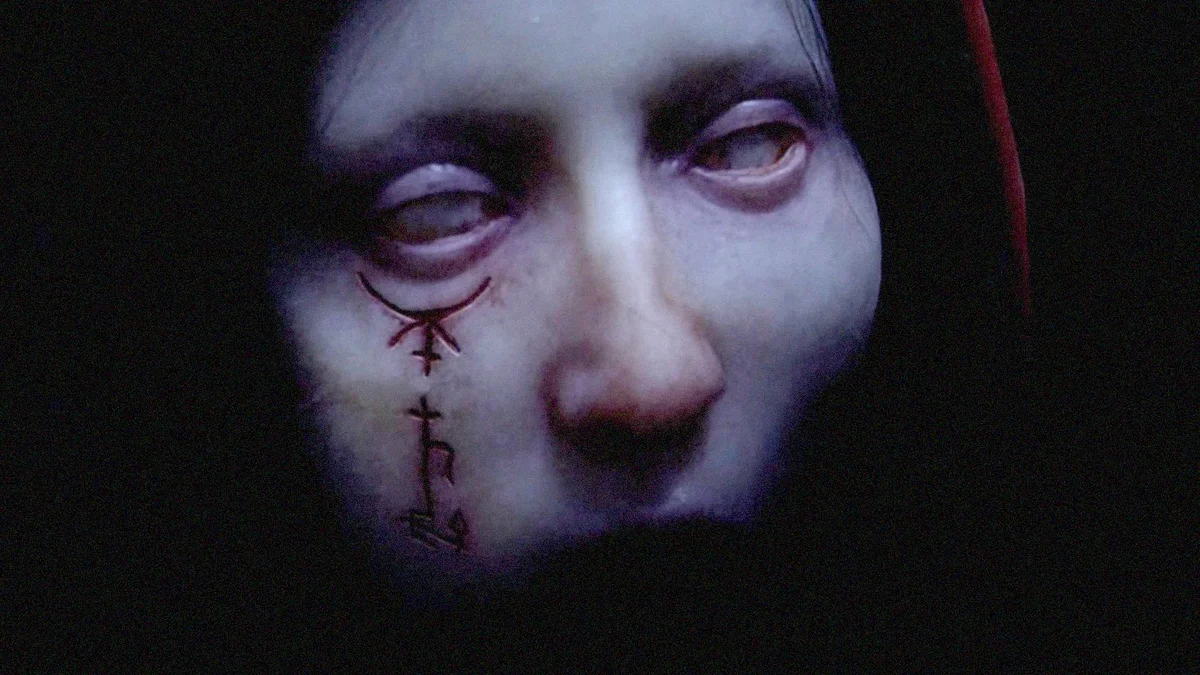
Filmmaker Andrés Borghi, who has worked on acclaimed films including the Argentinian horror When Evil Lurks and has made games of his own, crafted these sequences. That dual expertise matters. His involvement brings a level of polish to these live-action moments that feels genuinely cinematic within this lo-fi indie context. Once you've seen these creatures and characters up close, in full detail, the pixelated versions haunting the 2D adventure gain substance and weight. That enigmatic lady in a cocktail dress becomes more unsettling when you know the demonic symbols branded on her face. The world develops intimacy and impact.
Yet the game's pacing presents a genuine tension—not the creative kind. The stop-start rhythm between puzzle-solving and live-action payoff risks deflating suspense rather than building it. Laboriousness can work against horror, and frequently revisiting areas strips them of their surprises. The writing in adventure sequences feels functional rather than intriguing, which matters when those sections must do heavy lifting.
Still, there's cause for optimism. The underlying story—centered on a horror short created by your ex, involving deals with devilish entities and grotesque consequences—appears layered and self-referential. That filmic motif repeats meaningfully. The live-action sequences may represent more than the character experiences alone. What Tenebris Somnia proves is this: when filmmakers and game developers genuinely collaborate rather than one medium simply augmenting another, indie horror reaches new creative heights. More projects need to follow this blueprint.