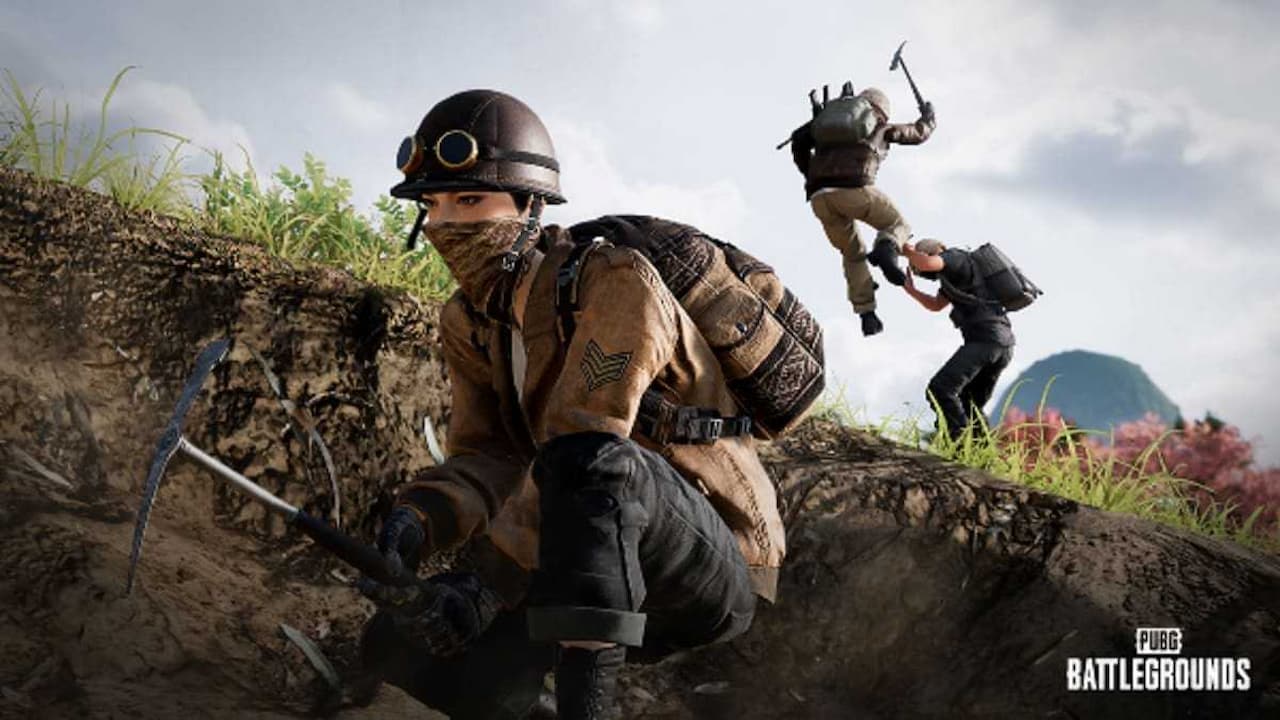
Netflix is moving forward with a PUBG adaptation produced by Donald Glover, who will also star in and direct the series alongside his brother Stephen Glover, who will co-write and co-produce. Michael Schaefer, an executive producer on Ad Astra and Barbarian, joins the team, along with Krafton's entertainment staff. This is not a drill—one of television's most creative minds is committing serious resources to adapting a battle royale shooter for streaming.
The show hasn't been greenlit and put into development yet, which means there's still room for Netflix and Krafton to walk this back. They shouldn't. For years, video game adaptations have suffered from a fatal credibility problem: studios treated them as IP goldmines to be mined rather than stories to be told. The Glover brothers proved with Atlanta that they understand how to build worlds, develop characters, and sustain tension across multiple seasons. If anyone can elevate PUBG beyond its premise, it's them.
Yes, PUBG's narrative foundation is thin. The game never had a huge story mode, relying instead on lore and world-building tidbits scattered throughout its experience. But that's actually an advantage. PUBG exists in the lineage of Battle Royale, the Japanese film and book that inspired the modern BR formula now embedded in everything from The Hunger Games to Fortnite to Call of Duty. That narrative DNA—forced combat, societal collapse, survival stakes—provides genuine material to work with. The Glovers won't be inventing from nothing.
What makes this pairing genuinely exciting is Glover's track record. He created Mr. & Mrs. Smith with his brother and starred in Atlanta, demonstrating he can balance action, character work, and thematic depth. He understands how to make prestige television that doesn't condescend to its genre. A PUBG series produced with that sensibility could be the breakthrough that finally proves AAA games deserve AAA creative treatment.
The catch is obvious: this only works if Netflix and Krafton actually trust Glover's vision rather than demanding it hit familiar beats. Too many game adaptations fail because studios panic and retrofit tired storytelling onto established IP. The Glovers need creative autonomy to justify their involvement, and the platform needs to be patient if the show takes risks that don't immediately poll well with casual audiences.
For now, the project exists in development limbo—no greenlight yet. That's the moment that matters most. Netflix should greenlight this immediately. Video game adaptations have waited years for talent this caliber to take them seriously. Glover is offering that seriousness. The industry should accept it.