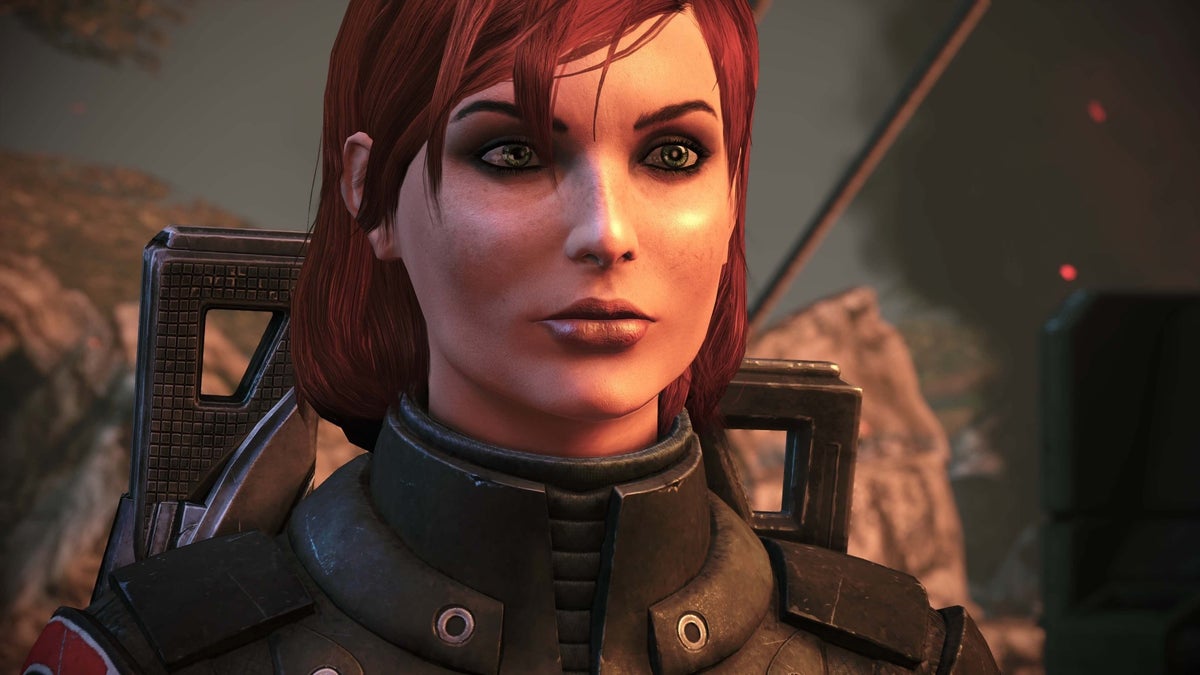
BioWare's cancelled Mass Effect 5 project carried the working title "Universe" for a deliberate reason. The game's technical director revealed that the name reflected a core design pillar: players would generate alternate timelines based on their choices across previous Mass Effect entries, fundamentally reshaping how sequels handle player agency and narrative continuity.
This approach represented a significant departure from traditional sequel design. Rather than funneling players into a single canonical storyline, Mass Effect 5 would have acknowledged the branching paths created by Mass Effect 3's divisive ending and the decisions players made across the original trilogy. The system aimed to validate every playthrough as legitimate, allowing Shepard's choices to ripple forward into entirely distinct narrative possibilities.
An internal trailer for the project leaked online last week, offering the first glimpse at what BioWare constructed before EA shuttered the studio. The trailer confirmed that development had advanced substantially, with visual assets and gameplay systems already in motion. However, EA's decision to disband BioWare ended all work on the title immediately.
The timeline generation mechanic carried profound implications for Mass Effect's future. Rather than forcing players to replay previous games or accept a predetermined canon, Mass Effect 5 would have used save data or player input to construct unique storylines. Fans who guided Shepard through the Destroy ending would experience different consequences than those who selected Synthesis or Control. Players who kept certain squad members alive in Mass Effect 3 would see those survival decisions matter narratively.
This design philosophy aligned with growing player demand for meaningful choice recognition in AAA sequels. Games like The Witcher 3, Baldur's Gate 3, and earlier Dragon Age titles demonstrated that players value seeing their decisions acknowledged across multiple games. Mass Effect's legacy made this expectation even sharper. The original trilogy built its reputation on player choice, making Mass Effect 3's controversial ending feel like a betrayal to many fans who expected their decisions to shape the finale.
The "Universe" concept potentially solved that problem by making every ending equally valid going forward. No single timeline would be considered the "true" Mass Effect universe. Instead, each player's personal timeline would carry equal weight. This approach honored the trilogy's core promise while sidestep the community fracture that persisted after Mass Effect 3's launch.
Mechanically, this required sophisticated narrative scaffolding. BioWare would need to write multiple branching storylines that converged on major plot beats while maintaining distinct character arcs and outcomes based on player history. The technical infrastructure to track and parse save files across multiple games already existed, but scaling it for full narrative variation presented complex engineering challenges.
The cancellation marks another casualty in EA's recent culling of BioWare's output. After Anthem's poor reception and Baldur's Gate 3's success overshadowing Dragon Age: The Veilguard's commercial performance, EA prioritized financial reallocation over sustaining the studio's pipeline. Mass Effect 5 would never reach players, taking its innovative approach to choice architecture with it.
The leak preserves a window into what could have been. For Mass Effect fans still divided over the trilogy's ending, the Universe concept offered genuine hope that their individual stories mattered. That possibility now exists only as internal assets and developer testimony.