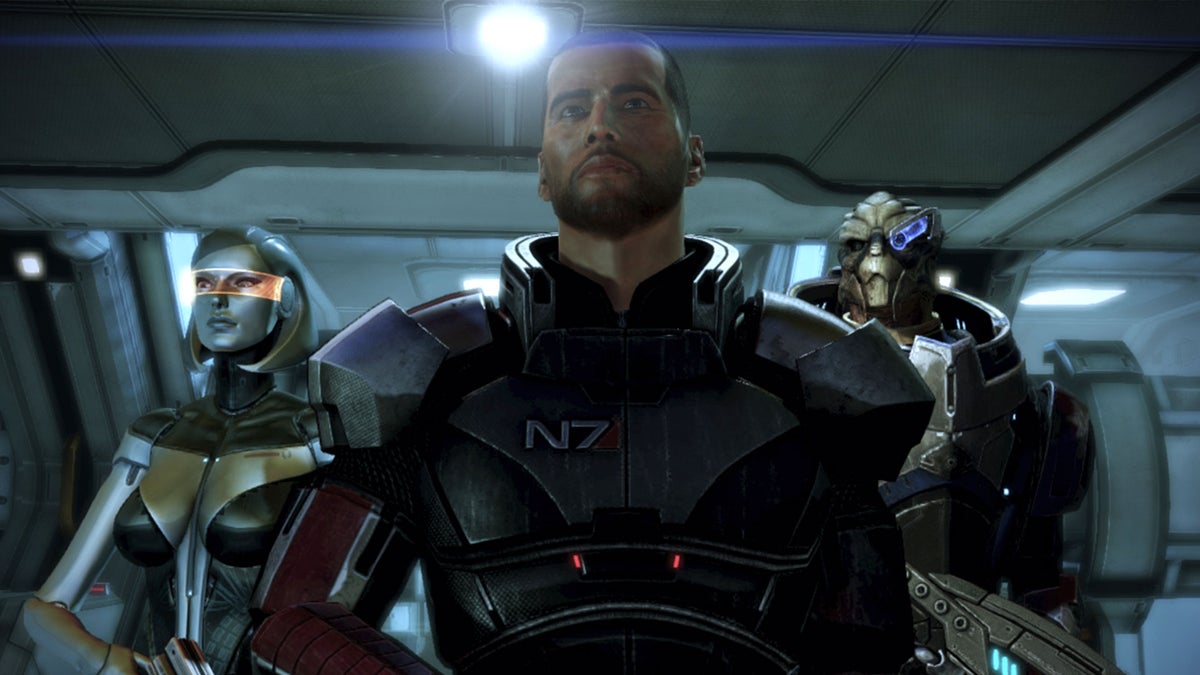
The Mass Effect 3 ending debate has overshadowed one of gaming's most ambitious narrative accomplishments. BioWare's 2012 conclusion to the original trilogy didn't just wrap up a single storyline. It closed dozens of character arcs, resolved years of player choices, and tied together a galaxy's worth of interconnected plot threads across three massive RPGs spanning nearly a decade of release.
The discourse around Mass Effect 3's final moments dominated conversation for over a decade, focusing heavily on whether the ending sequences satisfied players' expectations. Critics and fans dissected the controversial catalyst and the original ending's limited branching outcomes. This fixation on those final minutes obscured what the game actually accomplished across its entire runtime.
Mass Effect 3 functioned as a compendium of endings rather than a singular climactic moment. Players witnessed the resolution of relationships they'd built since 2007's original Mass Effect. Characters like Mordin Solus, Thane Krios, and Legion received meaningful conclusions tied directly to player decisions from previous games. The Genophage plot, the Geth-Quarian conflict, the Reapers themselves all reached narrative payoffs. Few modern RPGs attempt this scale of closure.
The sheer exuberance of Mass Effect 3's scope went largely unappreciated during the ending backlash. BioWare constructed a game that simultaneously served newcomers while rewarding veterans with callbacks spanning two previous games. Squad members returned. Relationships deepened. The writers threaded callbacks to minor side quests and character moments that most players had forgotten. This level of continuity demands respect, regardless of opinions about the final scene.
Beyond the campaign, Mass Effect 3's multiplayer co-op mode represents another underrated element of the game's ambition. The Galactic Readiness system connected cooperative multiplayer directly to single-player outcomes, creating tangible mechanical links between modes. Players could bolster their war assets through endless waves against Reapers and Cerberus forces. The co-op mode itself delivered solid wave-based combat with compelling class variety and progression systems. It wasn't just a tacked-on bonus. It functioned as genuine endgame content that extended Mass Effect 3's value for thousands of players.
The multiplayer's integration with the campaign narrative, while controversial at launch, represented another example of BioWare's refusal to build compartmentalized content. Every system connected to the larger whole. This design philosophy extended the game's lifespan and created community engagement that single-player-only experiences couldn't match.
Contemporary RPG discussions rarely acknowledge Mass Effect 3's reactive systems or branching content with the seriousness they deserve. Dragon's Dogma, Baldur's Gate 3, and other praised titles handle reactivity well on individual bases. Mass Effect 3 handled it across 150-plus hours of interconnected storytelling spanning three games and 60+ possible endings depending on player choices and readiness scores.
The extended ending DLC addressed many legitimate criticisms, adding clarity and expanded sequences that provided more satisfying closure. Yet the conversation never fully shifted beyond the initial negative reaction. Mass Effect 3 deserves reassessment as a technical and narrative achievement. It closed a trilogy while maintaining character integrity, humor, and stakes across a genuinely massive narrative scope.