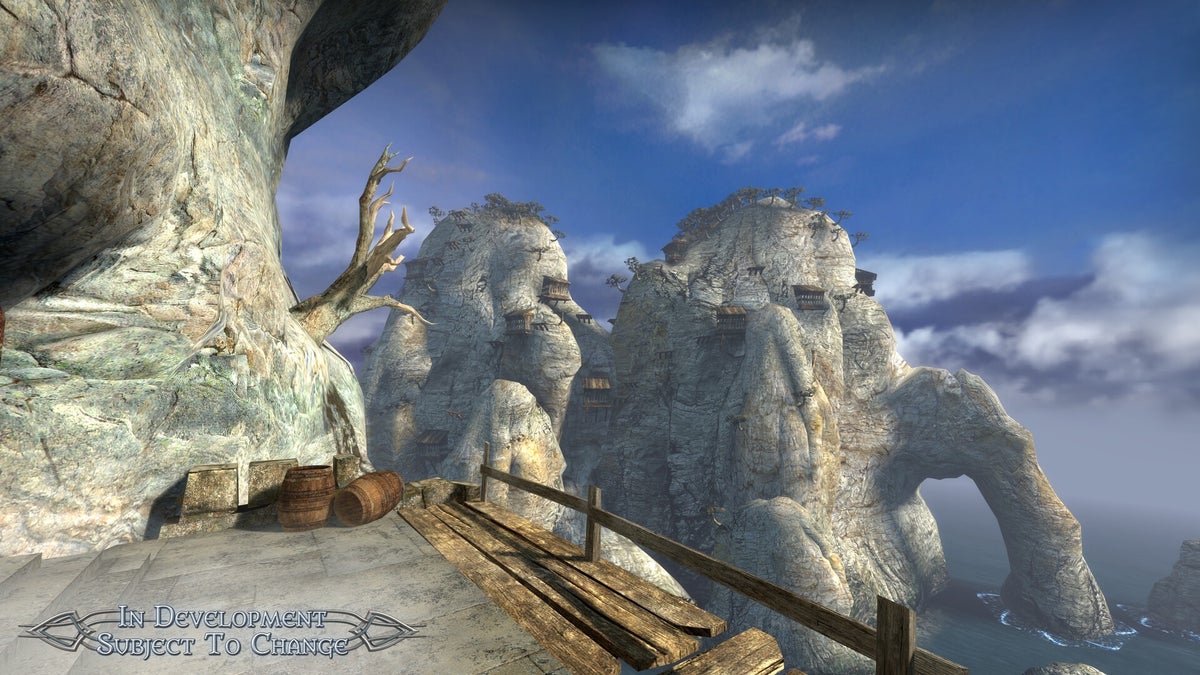
Dark Messiah of Might and Magic, Arkane Studios' 2006 first-person RPG, receives a comprehensive overhaul through the Community Edition, a fan-made mod built on an upgraded Source engine and blessed by Ubisoft. The project transforms the nearly two-decade-old title into a modernized experience without replacing the original.
The Community Edition upgrades the game to 64-bit architecture, eliminating the technical constraints that have plagued players on contemporary systems. Beyond raw modernization, the mod introduces four substantial feature additions. Co-op multiplayer enables players to tackle the campaign together, fundamentally changing how Arkane's magic and melee combat systems function in shared spaces. An Adventure mode offers a fresh single-player experience separate from the vanilla campaign. A level generator creates procedural content for extended replay value. New Game+ lets players retain progression across subsequent playthroughs with increased difficulty.
Arkane's original Dark Messiah emphasized player agency through environmental kills and spell-enhanced combat. The Source engine powered visceral physics interactions and verticality that defined the experience. By 2024, running this title on Windows 10/11 systems created compatibility headaches, stuttering issues, and crash loops. The Community Edition addresses these technical failures while preserving the core design that made Dark Messiah a cult classic among first-person RPG enthusiasts who appreciated its deviation from the then-dominant Elder Scrolls approach.
The co-op implementation carries weight beyond novelty. Dark Messiah's spell system (Heal, Fireball, Telekinesis) and combat stance mechanics require recalibration when multiple players occupy the same space. Enemy AI design, encounter pacing, and level flow all shift with cooperative play. Whether the mod maintains Arkane's tight single-player balance in multiplayer scenarios remains untested by the public.
Ubisoft's involvement shifts the project from unofficial fan restoration into sanctioned territory. The French publisher retains IP ownership but demonstrates willingness to let community developers extend a title no longer financially viable to support internally. This precedent differs from aggressive cease-and-desist patterns common in the industry. Allowing grassroots upgrades costs Ubisoft minimal resources while generating goodwill among legacy audiences and potentially extending the game's commercial lifespan through renewed Steam visibility.
The procedural level generator suggests developers want to address Dark Messiah's linear structure, which some critics cited as a constraint on replay value. Procedurally-generated environments risk losing the handcrafted enemy placement and environmental puzzle design that Arkane excelled at, but randomization offers infinite content variety for players seeking extended sessions.
New Game+ targets players invested enough to restart campaigns with retained abilities or modified enemy stats. This design philosophy aligned with late-2000s convention but remains absent from the original release, indicating the mod addresses legitimate quality-of-life omissions.
The Community Edition launches into an ecosystem where remasters flood the market. Unlike official remakes demanding full purchase prices, this freely-distributed upgrade targets the dedicated fanbase while remaining accessible to curious newcomers exploring early Source engine design. Dark Messiah never achieved Elder Scrolls: Oblivion's cultural penetration, but fervent supporters maintain its influence on immersive first-person design never faded. This restoration effort validates that legacy while proving community passion can resurrect forgotten titles when publishers permit it.