Arkane Lyon, the French studio behind Dishonored and Deathloop, faces an uncertain future as Microsoft-mandated negotiations over the studio's independence heat up ahead of a November deadline. Sources report that multiple acquisition offers are on the table, with various forms of takeover being considered as Arkane charts its path forward after Xbox initiated the studio's separation.
The situation traces back to July 2024, when Microsoft announced sweeping layoffs across its gaming division and the forced spinoff of several studios, including Arkane Lyon. Unlike some studios that have already secured new ownership or regained independence, Arkane remains in active negotiations over who will control the studio moving forward. The November deadline creates urgency for all parties involved.
Arkane Lyon holds substantial creative pedigree in the industry. The studio developed Dishonored, a stealth-action franchise that earned critical acclaim for its immersive sim design and player choice mechanics. More recently, Arkane shipped Deathloop, an ambitious roguelike shooter that launched as a PlayStation 5 exclusive before coming to Xbox Game Pass. The studio also worked on Redfall, a co-op shooter that launched to mixed reception in 2023.
The takeover negotiations carry weight beyond Arkane's roster and catalog. The studio represents one of the few remaining independent-leaning development teams with proven expertise in systems-driven, player-agency-focused game design. Whoever acquires Arkane gains not only a team of experienced developers but also the right to shape how immersive sims evolve in the coming generation.
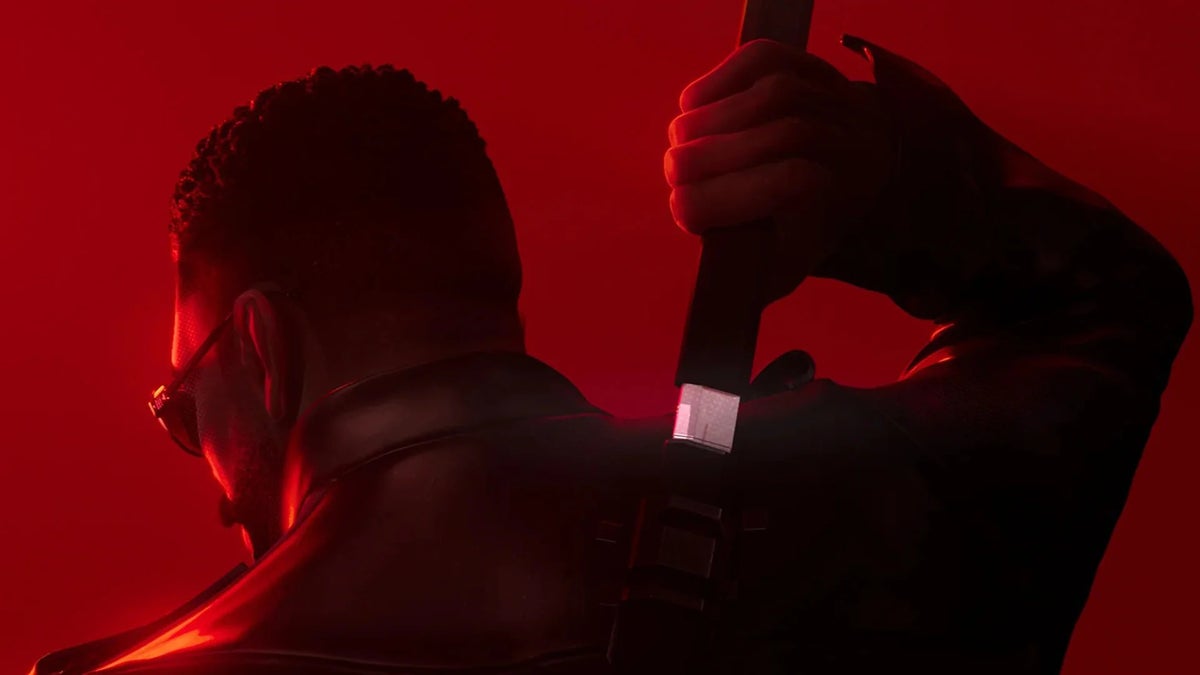
The timing compounds the complexity. Arkane is wrapping up work on Marvel's Blade, a collaborative project with Marvel Games. As that production nears completion, the studio's leadership must simultaneously negotiate its corporate future while keeping project momentum intact and staff morale stable. The dual pressure points create a delicate balancing act.
Several acquisition models reportedly remain under consideration. A full buyout would transfer Arkane to new ownership entirely. A minority stake acquisition would provide capital and partnership without total control transfer. Management buyout remains another option, allowing Arkane's leadership to reclaim the studio through investor backing. Each model carries different implications for the studio's creative direction and long-term independence.
The broader industry context amplifies the stakes. Microsoft's studio separations sparked conversation about corporate consolidation in gaming and whether mega-publishers can effectively manage sprawling portfolios of acquired studios. Arkane's future will signal whether mid-sized, creatively ambitious studios can thrive outside major publisher umbrellas, or whether financial pressures and market consolidation force eventual absorption regardless.
Arkane's employees watch closely as negotiations unfold. The November deadline approaches fast, and staff retention during uncertainty represents a real challenge. Key talent departures during extended transitions have derailed smaller studios before.
The resolution will ripple through the industry. A successful independent restructuring would validate the model for other displaced studios. A quick acquisition by another major publisher would underscore consolidation's inevitability in AAA development. Either way, November brings clarity on where one of immersive sim's most distinctive voices will operate next.