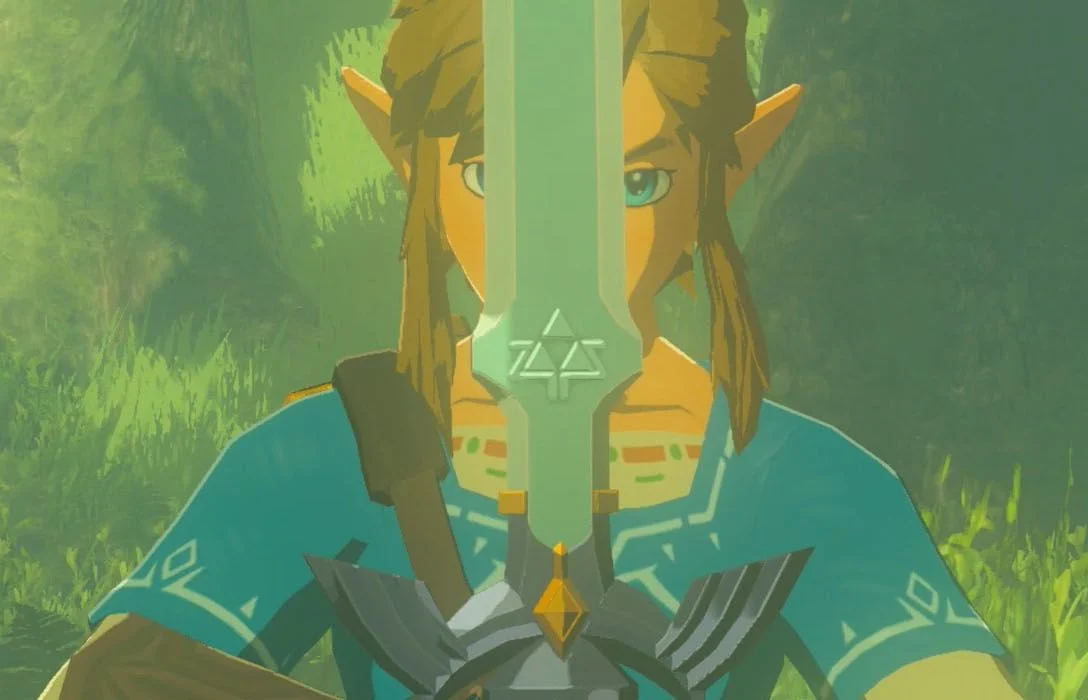
Eiji Aonuma, the legendary producer behind Nintendo's Legend of Zelda franchise, received a knighthood from the French Ministry of Culture in a ceremony held in Paris. The honor recognizes his lifelong contributions to video game design and his role in shaping interactive entertainment as a creative medium.
Aonuma joined Nintendo in 1996 and took creative leadership of the Zelda series starting with Majora's Mask in 2000. Over two decades, he steered the franchise through some of gaming's most innovative entries. Ocarina of Time defined 3D adventure design. Wind Waker experimented with cel-shading and established tonal variety within the series. Twilight Princess merged cinematic presentation with classic Zelda puzzle design. Skyward Sword introduced motion controls as core gameplay. Breath of the Wild dismantled traditional dungeon structures and launched the open-world template that reshaped gaming industry design philosophy. Tears of the Kingdom, released in 2023, refined and expanded that formula to become one of the best-selling games ever made.
The French Ministry of Culture's decision to knight Aonuma places him alongside filmmakers, authors, and visual artists recognized for shaping human expression. France maintains a tradition of honoring creative figures across mediums, and this recognition signals a shift in how institutions view video game designers. The ministry specifically cited Aonuma's ability to inspire "imagination" worldwide, framing game design as equivalent to cinema or literature in cultural importance.
Aonuma's influence extends beyond Zelda. He produced Pikmin, directed by Shigeru Miyamoto, and oversaw development on multiple Nintendo franchises. His design philosophy emphasizes player agency, environmental storytelling, and accessible complexity. Breath of the Wild's approach to nonlinear progression and environmental interaction spawned countless imitators across the industry. Studios from From Software to Ubisoft restructured their open-world designs around Aonuma-influenced principles.
At 61 years old, Aonuma remains active at Nintendo. He continues to produce Zelda titles and guide the company's creative direction. His knighthood comes at a time when the video game industry commands larger cultural footprint than Hollywood, with global gaming revenue exceeding 200 billion dollars annually. Yet game designers receive far fewer mainstream cultural accolades than filmmakers or novelists.
This French honor signals changing perceptions. Video games now compete for artistic recognition alongside traditional media. Aonuma's knighthood validates game design as legitimate creative work worthy of state-level cultural recognition. It positions interactive entertainment alongside cinema and literature in the cultural canon, particularly in Europe where government institutions actively support and validate artistic achievement.
The ceremony underscores Nintendo's cultural dominance and Aonuma's personal legacy. He transformed the Zelda series from a respected franchise into a creative laboratory that reshaped how developers approach level design, puzzle construction, and player freedom. His work influenced an entire generation of game designers and established Nintendo as a company driven by creative innovation rather than hardware specifications or processing power.