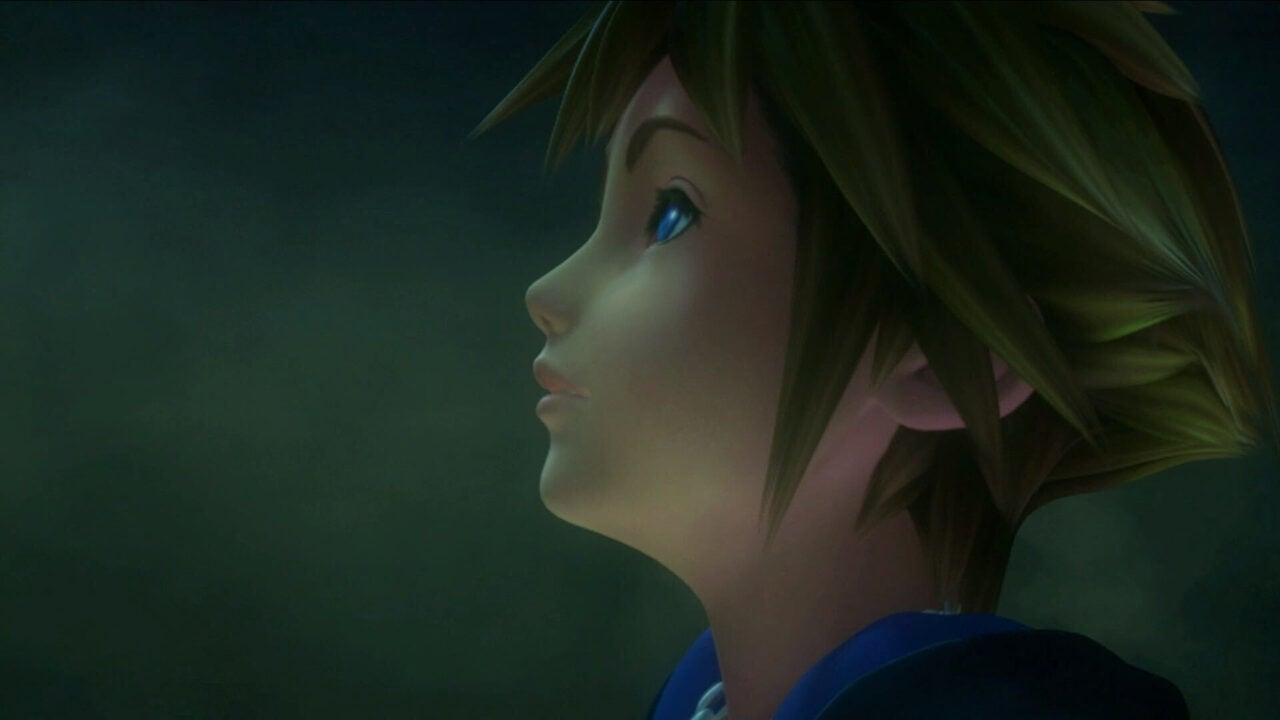
Kingdom Hearts opens with Sora's descent into an ominous nightmare sequence that establishes tone through visual dread and atmospheric tension rather than exposition. The sequence pulls players into a disorienting dreamscape before grounding them in the familiar worlds that follow.
The opening nightmare functions as Kingdom Hearts' hook. Kotaku notes the sequence remains striking for its willingness to embrace horror elements unusual for a Disney collaboration. The nightmare unfolds without lengthy cutscenes explaining lore or mechanics. Instead, viewers experience Sora's subconscious journey directly, creating immediate emotional investment.
This design choice separates Kingdom Hearts from conventional JRPG openings. Rather than introducing the protagonist through safe, explanatory scenes, the game trusts players to interpret surreal imagery. Sora wakes disoriented, matching the player experience. The nightmare establishes that Kingdom Hearts operates in territories darker than pure Disney fare.
The opening sequence demonstrates restraint in storytelling. Information unfolds gradually across the nightmare, letting visual language carry narrative weight. The imagery references themes the series will explore throughout, planting seeds for later story beats without spelling out their significance.
Kingdom Hearts' opening validates the series' core concept: merging Disney properties with darker, more complex JRPG narratives. The nightmare sequence proves this fusion works specifically because it doesn't sanitize the darkness or rely on Disney's comfort zones. Sora's journey begins in uncertainty and dread, setting expectations that adventure will involve genuine stakes and moral complexity.
The opening remains effective years after release. Its commitment to atmosphere over exposition creates an experience that feels fresh on replay. Players enter the game's world through genuine immersion rather than tutorial mechanics or narrative explanation.