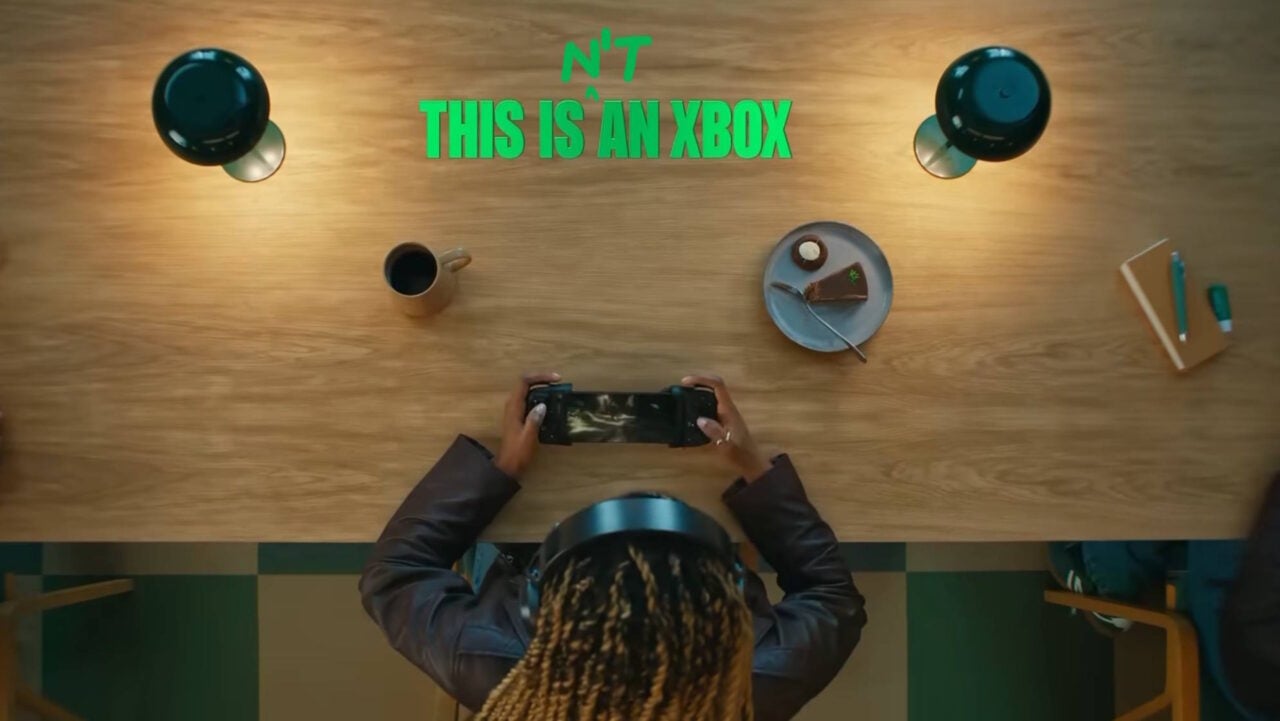
Xbox's cloud gaming infrastructure, once positioned as a cornerstone of the company's long-term strategy, is contracting significantly. The service that Microsoft promoted as the future of gaming, allowing players to stream games directly to devices without hardware, faces structural collapse across multiple fronts.
Microsoft launched Xbox Cloud Gaming, originally known as Project xCloud, as a bold bet that internet-based streaming would eventually replace traditional consoles. The company invested billions in data centers, server infrastructure, and licensing agreements with game publishers. The pitch was simple: subscribe to Game Pass Ultimate and play hundreds of games instantly on phones, tablets, PCs, and browsers without downloading or owning physical hardware.
The reality diverged sharply from the vision. Xbox Cloud Gaming never captured mainstream adoption. Players in most regions reported latency issues, connection instability, and image compression artifacts that degraded the experience below what local hardware provided. Despite repeated promises and feature updates, the service remained a novelty rather than a primary way people played.
Microsoft's recent moves reveal the depth of the problem. The company closed cloud gaming support on Samsung smart TVs, eliminating one of the few dedicated platforms where streaming games made ergonomic sense. Xbox Cloud Gaming disappeared from Amazon Fire TV devices. Web browser support contracted. The service now functions primarily as an included benefit for Game Pass Ultimate subscribers rather than a standalone product Microsoft actively markets or develops.
The broader cloud gaming sector, which once attracted massive investment, shows similar weakness. Amazon's Luna folded entirely. Google Stadia shut down in 2023 after spending years and substantial resources building the platform. Even PlayStation Plus Premium's cloud gaming tier remains marginal in how players access games.
Several factors killed cloud gaming's momentum. Home internet infrastructure in most markets lacks the reliable, low-latency connections the technology requires. Mobile networks experience inconsistent speeds. Most gamers prefer the consistent performance and control of local hardware. Publishers never committed fully, withholding recent AAA titles from streaming services due to fears about piracy and loss of ownership controls. Regional licensing agreements created geographic fragmentation.
For Microsoft specifically, Xbox Series X and Series S hardware performed better than expected, giving the company less incentive to cannibalize console sales through aggressive cloud promotion. Game Pass, the company's subscription service, succeeded as a download-and-install service rather than a streaming platform. Players preferred owning their games locally.
Xbox's cloud gaming collapse signals that streaming games remains years away from viability at scale, if it arrives at all. The infrastructure costs, network limitations, and player preference for responsive, locally-run software created an economic and technical moat that investment alone could not overcome. The investments made sense as long-term R&D when the technology showed promise. They stopped making sense when the market rejected the premise.
Microsoft hasn't abandoned cloud gaming entirely. Traces remain embedded in Game Pass, and the company continues minor development. But the era of cloud gaming as an existential threat to console hardware has ended. Hardware matters more than Microsoft once believed.