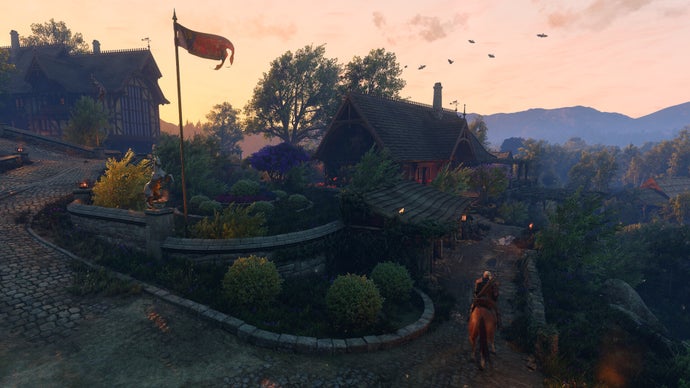
CD Projekt Red is positioning The Witcher 3: Songs of the Past as a narrative departure from the base game's traditional monster-hunting formula. The upcoming expansion, arriving in 2025, will embrace a dreamier, more surreal tone similar to Blood and Wine, the studio's acclaimed 2015 DLC that concluded Geralt's original story arc.
The comparison to Blood and Wine carries weight. That expansion introduced the Toussaint region and shifted focus away from Witcher contracts toward a more intimate, character-driven narrative centered on vampires, curses, and philosophical quandaries. It prioritized atmosphere and storytelling complexity over straightforward "bread-and-butter Witcher story" mechanics. Songs of the Past appears positioned to replicate that experimental approach rather than deliver a conventional continuation.
This framing matters because Blood and Wine established CD Projekt Red's willingness to take narrative risks within the Witcher 3 universe. The expansion earned critical acclaim for its writing, environmental design, and thematic depth. By explicitly invoking that comparison, the developer signals that Songs of the Past won't simply rehash the base game's structure of monster contracts and political intrigue. Instead, expect unconventional storytelling, unconventional settings, and a tone that prioritizes mood and character over plot mechanics.
The decision to extend Geralt's story beyond Blood and Wine's ending initially divided fans. Blood and Wine provided a definitive, emotionally resonant conclusion to the witcher's arc. Reopening that narrative carries inherent risk. Some players view it as unnecessary and potentially damaging to a completed story. CD Projekt Red's guarded approach to discussing story details reflects that sensitivity. By keeping plot specifics close, the studio avoids spoiling the expansion's surprises and manages expectations about how it reframes existing lore.
What remains unclear is whether Songs of the Past continues Geralt's personal journey or shifts focus elsewhere. The Witcher 3's universe contains other compelling characters with unresolved storylines. Ciri, Yennefer, and Dandelion all offer narrative potential beyond Geralt's conclusion. CD Projekt Red's silence on this front leaves room for interpretation.
The expansion launches alongside the Witcher 3 Remastered, which refreshes visuals, adds new quests, and incorporates UI improvements across PC, PlayStation 5, and Xbox Series X/S. This timing positions Songs of the Past as part of a larger initiative to revitalize interest in the eight-year-old RPG. The remaster brings the game's technical presentation into line with current-generation standards, while the expansion delivers substantive new content for veterans.
Pricing and length remain unconfirmed, though comparisons to Blood and Wine hint at substantial scope. That 2015 expansion delivered 30+ hours of content and introduced an entirely new map region. Songs of the Past will likely demand similar investment.
The dreamier, more surreal direction represents an interesting creative choice. The Witcher 3's base game balances monster-hunting practicality with political storytelling. Blood and Wine proved that the universe supports weirder, more introspective narratives. Songs of the Past will test whether players embrace that approach a second time, particularly when returning to a character most believed had finished his journey.