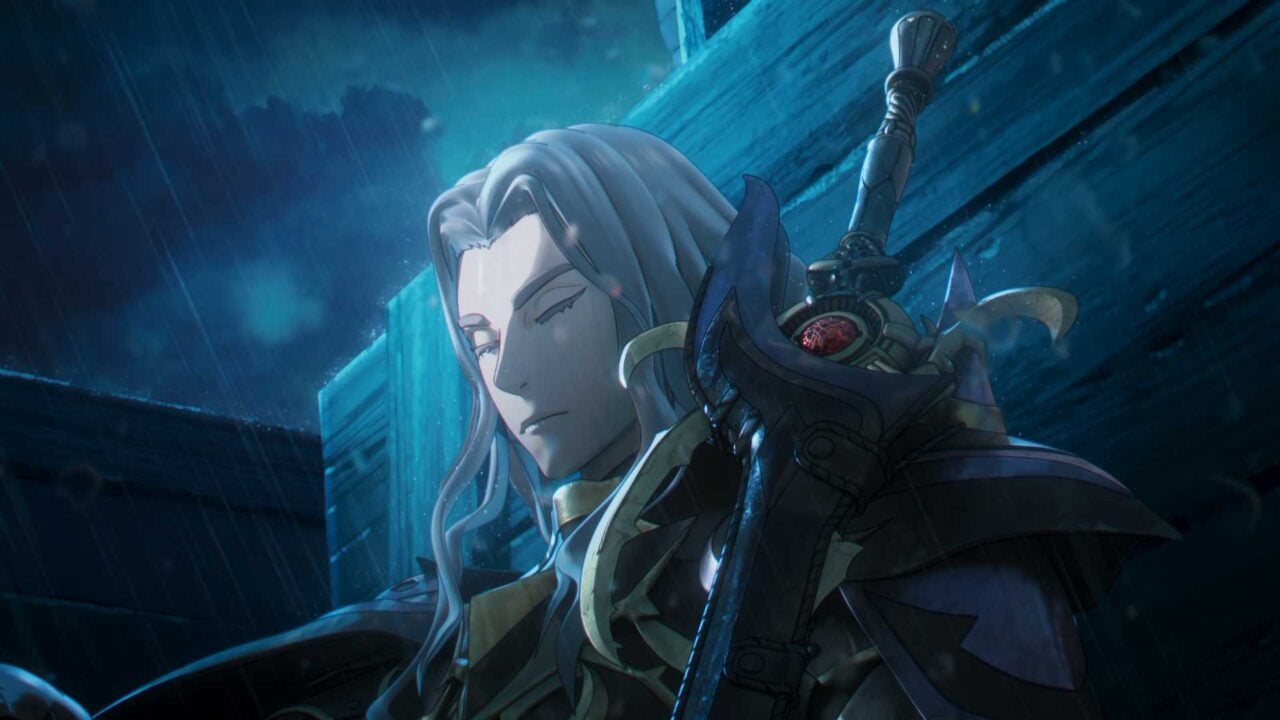
Fire Emblem: Fortune's Weave delivers solid tactical combat wrapped in a bloated package of tedious downtime activities that drain the experience of momentum and engagement.
The latest entry in Nintendo and Intelligent Systems' turn-based strategy franchise maintains the core loop that made Fire Emblem resonate with players: positioned units, grid-based battlefield tactics, permadeath consequences, and character relationships that deepen through combat interactions. Fortune's Weave executes these fundamentals competently. The major battles remain the game's strongest asset, presenting thoughtful puzzle-like scenarios that reward positioning, resource management, and long-term planning across maps.
The problem sits everywhere else. Between those major battles, Fortune's Weave piles on an overwhelming amount of filler content. Village exploration sequences, base management systems, cooking minigames, support conversations that drag on past their natural endpoints, and busywork activities consume the bulk of playtime. None of these systems integrate meaningfully with the tactical core. Instead, they interrupt flow and dilute the pacing that makes Fire Emblem campaigns compelling.
This design philosophy represents a shift from how the franchise historically balanced downtime with action. Recent entries like Fire Emblem: Three Houses expanded non-combat activities significantly, but that game justified its systems through player agency. Three Houses let you choose what to do during free time and how deep to engage with monastery life. Fortune's Weave opts for mandatory engagement with fewer meaningful choices, turning natural breaks between battles into chores rather than opportunities for character development or strategic preparation.
The cooking system typifies this problem. Preparing meals offers minor stat bonuses, but the execution feels rote and disconnected from actual combat scenarios. Players must engage with it anyway because the mechanical advantage, however small, creates pressure to optimize. The game doesn't offer enough depth to make cooking interesting strategically or engaging mechanically. It simply exists.
Support conversations suffer similarly. Fire Emblem's relationship system has always centered on brief, character-revealing dialogue that builds bonds before and after battles. Fortune's Weave stretches these exchanges into lengthy cutscenes that often repeat information or lack narrative payoff. The pacing feels designed for a visual novel, not a tactical RPG where players expect to move forward into the next engagement.
Village exploration mechanics add another layer of tedium. Walking characters around environmental spaces to trigger optional interactions reads as padding. The information conveyed through these sequences rarely impacts the campaign or characters meaningfully. Developers could deliver the same character beats in half the time through more focused storytelling.
The fundamental issue centers on respect for player time. Fire Emblem's appeal rests on tactical puzzle-solving and narrative payoff through character moments. Fortune's Weave prioritizes quantity of content over quality of engagement. Adding systems doesn't enhance the experience if those systems lack purpose beyond existence itself.
This doesn't render Fortune's Weave unplayable or even bad. The battles themselves justify purchase for tactics enthusiasts. However, the journey between those battles tests patience repeatedly. Players wade through padding to reach the moments that actually matter. That's not a formula for sustained engagement or positive word-of-mouth, particularly in a market where time-conscious players increasingly scrutinize how games value their attention.