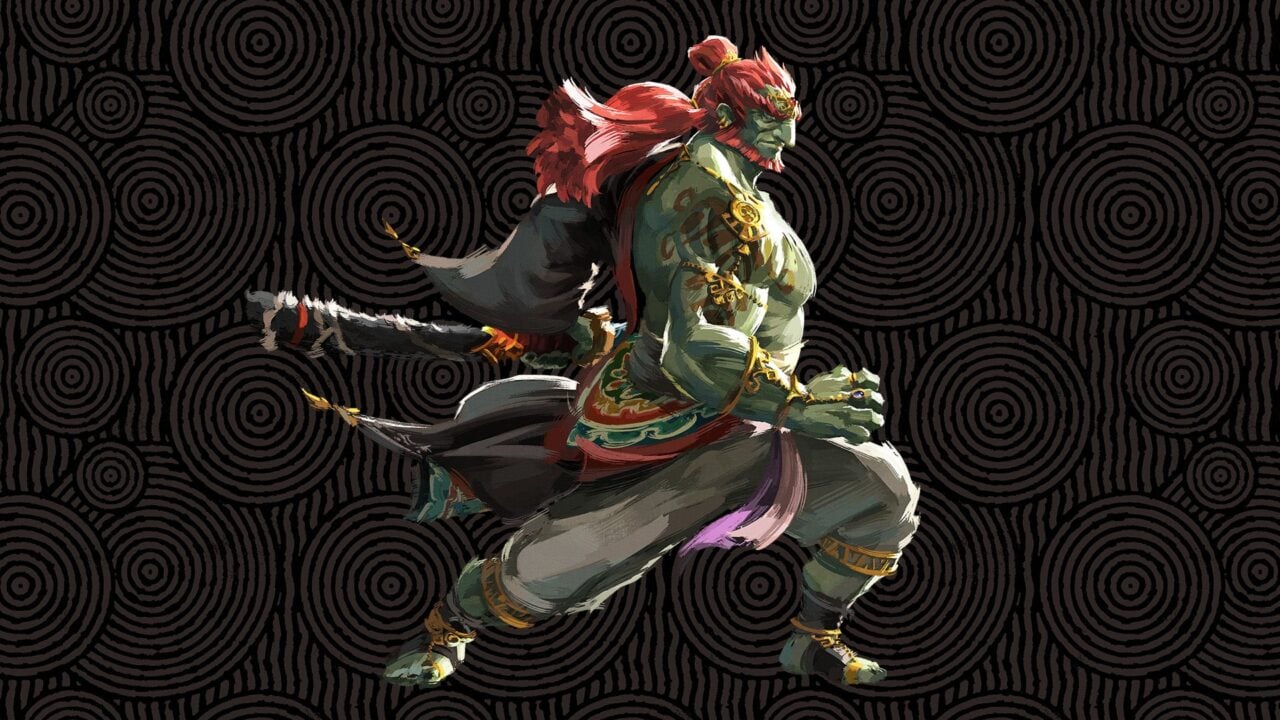
# Ubisoft's Lost Zelda Spin-Off: How Nintendo Killed A Ganondorf Game Before It Started
Ubisoft pitched Nintendo on a Legend of Zelda spin-off centered on Ganondorf. The French publisher developed a prototype to demonstrate the concept. Nintendo reviewed the work and rejected the project outright, ending the collaboration before development ramped up.
The game would have positioned Ganondorf as the playable protagonist rather than the series' traditional antagonist. This inversion promised a fresh angle on the Zelda universe, exploring the villain's perspective and backstory. Ubisoft believed the concept had merit. Nintendo disagreed after examining what Ubisoft had created.
Details on the prototype's specific gameplay remain sparse. The rejection came early enough that the project never progressed beyond the proof-of-concept stage. Nintendo's decision to pass suggests the prototype failed to meet internal standards for execution, tone, or alignment with the Zelda brand vision.
This rejection reflects Nintendo's protective stance toward its flagship properties. The company maintains tight creative control over Legend of Zelda projects. Third-party developers rarely helm main entries or major spin-offs. When Nintendo does license its characters, the publisher's expectations run high. A prototype that doesn't immediately impress kills negotiations fast.
Ubisoft has mixed history with Nintendo collaborations. The publisher developed Star Fox Zero (2015) under Nintendo's direction, a Wii U exclusive that divided players. More recently, Ubisoft worked on Mario + Rabbids Sparks of Hope (2022), a turn-based strategy title that found commercial success. The publisher understands Nintendo's demands but doesn't always deliver what Nintendo seeks.
The Ganondorf spin-off represents a road not taken for the Zelda franchise. Fan interest in playing as antagonists remains strong. Games like Hades proved that player investment in villains works when execution matches ambition. A well-made Ganondorf adventure could have explored moral ambiguity and reframed the eternal conflict between hero and villain. Nintendo apparently concluded Ubisoft's approach didn't achieve that vision.
The timing of this revelation matters. Nintendo faces pressure to expand its catalog and license premium projects to external studios. The company released Tears of the Kingdom last year and has no announced Zelda project in active development. A spin-off could have filled the pipeline. Nintendo's rejection means fans wait longer for new Zelda experiences.
Ubisoft's broader portfolio shifts to focus on live-service games and established franchises like Assassin's Creed and Far Cry. The company cut multiple projects in recent years and refocused on titles with proven demand. A Zelda spin-off, however compelling, requires Nintendo's blessing. Without it, Ubisoft moves resources elsewhere.
For Nintendo, the decision reinforces control over its creative output. The company rarely greenlights concepts that don't align with internal visions. This approach protects brand consistency but limits experimental ideas. Developers pitching unconventional Zelda concepts face steep odds.
The Ganondorf prototype will likely never see release. Nintendo owns the IP and assets. Ubisoft cannot repurpose the concept with different branding or characters. The work becomes corporate waste, filed away in studio archives. This outcome happens often in the industry but rarely becomes public. The Kotaku report pulls back the curtain on how franchise collaboration negotiations fail behind closed doors.