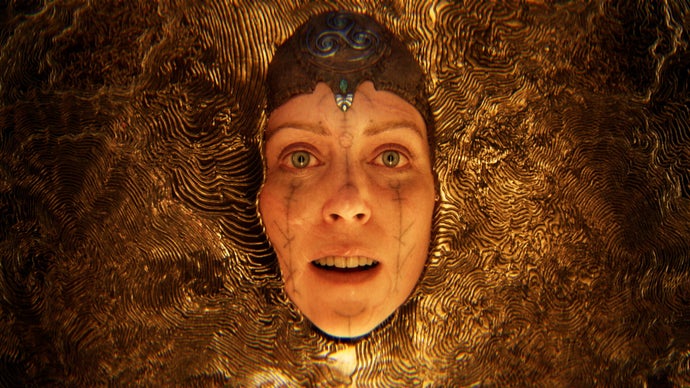
Microsoft's decision to part ways with Ninja Theory represents a spectacular misfire in the company's studio acquisition strategy. The Senua's Saga: Hellblade II developer received its Summer Game Fest reveal as a supposed showcase to attract fresh investment and secure the studio's future. That gambit failed entirely. Microsoft has now severed ties with Ninja Theory, erasing the one potential silver lining to an already brutal round of layoffs across Xbox's first-party portfolio.
The context here matters. Microsoft spent years acquiring independent studios under the Xbox Game Pass banner, a strategy designed to build a vertically integrated content engine. Ninja Theory, alongside studios like Double Fine, Arkane Studios, and Undead Labs, formed part of this grand acquisition spree. The company positioned these acquisitions as long-term investments in creative talent and franchise development. Hellblade II's reveal at Summer Game Fest last June was framed around attracting external partners and investors, a transparent attempt to stabilize the studio's financial outlook under Microsoft's roof.
That strategy collapsed. The game arrived in May 2024 to positive critical reception but modest commercial performance. Player engagement failed to meet whatever internal metrics Microsoft established. Rather than committing to Ninja Theory's vision or investing further, Microsoft chose the sharper blade. The studio now faces an uncertain future, presumably seeking new publishing deals or acquisition offers from competitors. This isn't merely a business decision. It's a direct contradiction of Microsoft's stated commitment to nurturing creative studios.
The timing underscores how hollow that earlier optimism truly was. Summer Game Fest positioning was designed to signal confidence and attract stakeholder interest. Microsoft's own executives touted Hellblade II as a flagship title for the platform. Months later, the studio finds itself cut loose without meaningful runway or restructuring support. That sends a clear message to remaining Xbox first-party teams. Performance metrics are unforgiving. Safety nets don't exist. Game Pass economics remain mysterious and, apparently, ruthless.
This broader purge extends across multiple studios. Obsidian Entertainment faces restructuring. Bethesda's leadership absorbed Halo developer 343 Industries, creating internal consolidation and redundancy. Forza and Fable studios merged, signaling cost reduction rather than expansion. The narrative about building a diverse, creative-first publishing empire has evaporated entirely. What remains is a fortress mentality focused on proven franchises and franchise-safe development patterns.
For players, the immediate consequence involves uncertainty around Ninja Theory's unannounced projects and pipeline. The studio held multiple titles in development beyond Hellblade II. Whether those projects survive depends on finding new publishing arrangements or investor capital outside Microsoft's ecosystem. For industry observers, the message runs darker. Xbox's acquisition strategy has become a revolving door for studio chaos. The company spends billions absorbing talent, then discards studios when quarterly performance lags expectations.
Ninja Theory's specific value, as a boutique studio known for experimental storytelling and bold artistic direction, made it uniquely vulnerable to corporate cost-cutting. Microsoft's infrastructure rewards scale and franchise predictability. Ninja Theory operates in the opposite space. That fundamental mismatch was always present. The company's leadership simply ignored it until balance sheets demanded action.
The studio now joins a growing list of Microsoft casualties, searching for stable ground in an industry already saturated with restructuring and uncertainty.