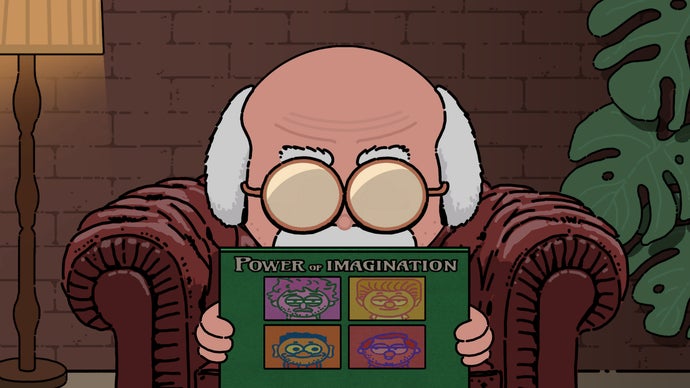
Glee-Cheese Studio's Mr. Records blends rhythm-action gameplay with vinyl shop management in ways that caught industry attention at Summer Game Fest 2026. The hybrid experience pairs auto-running rhythm mechanics with casual shopkeeper simulation, a combination that diverges sharply from traditional rhythm game design. A playable demo now lives on Steam, letting players test the formula firsthand.
The game's core loop involves teaching an older protagonist, George, modern music while managing a record store. This narrative framing distinguishes Mr. Records from competitors like Hi-Fi Rush or Crypt of the NecroDancer, which lean harder into combat or dungeon crawling. Instead, Glee-Cheese Studio opts for storytelling rooted in intergenerational musical discovery. The shop management layer adds progression depth beyond standard rhythm patterns, creating loop variations that sustain engagement across multiple play sessions.
Rhythm games occupy a recovering market segment. Guitar Hero and Rock Band dominated the 2000s before collapsing under oversaturation and licensing costs. The last decade saw indie studios rebuild the genre through titles like Beat Saber on VR platforms and Crypt of the NecroDancer on Switch and PC. Hi-Fi Rush from Tango Gameworks proved rhythm mechanics could anchor AAA experiences when paired with strong art direction and cohesive world design. That 2023 release energized conversations about rhythm's place in contemporary game design beyond arcade nostalgia.
Mr. Records positions itself differently. The auto-runner structure removes timing precision as the sole skill gate, potentially broadening appeal to players intimidated by standard rhythm game difficulty curves. Pairing this with shop management echoes successful casual sims like Stardew Valley and A Short Hike, games that prioritize relaxation and pacing over competitive performance metrics. The blend suggests Glee-Cheese Studio understands modern audiences want mechanical variety and emotional breathing room, not constant intensity.
Summer Game Fest 2026 showcased Mr. Records during a "miserably grey" slate of announcements, per the source journalist. That phrasing indicates the game stood out aesthetically or conceptually among bigger releases. Vinyl culture's resurgence in music retail provides authentic commercial grounding. Record stores function as community hubs in real life, and translating that social warmth into gameplay creates narrative cohesion most rhythm games ignore.
The demo availability carries weight for indie titles. Steam demos function as low-friction conversion tools, turning curious observers into committed players. For niche hybrids like Mr. Records, demos prove essential. Players unfamiliar with the concept need hands-on time to understand how rhythm mechanics interact with shop systems. Releasing the demo immediately after major industry showcase maximizes momentum while media coverage remains fresh.
Glee-Cheese Studio brings credible pedigree. The studio's background in music games suggests they understand rhythm design fundamentals. Mr. Records' rhythm elements likely deploy proven techniques, whether quantized input windows or visual feedback systems, rather than experimenting recklessly. This foundation frees developer resources to focus on the hybrid's novel elements. shop progression systems, dialogue writing, and soundtrack curation all require attention.
The vinyl shop setting matters beyond flavor. Record stores embody curation and taste. Differentiating Mr. Records from pure rhythm games means emphasizing selection, discovery, and customer satisfaction alongside timing. Teaching George new music becomes narrative scaffolding for rhythm progression. His musical preferences drive gameplay encounters. This approach personalizes interaction in ways standard rhythm tracks cannot match.
Mr. Records launches into a rhythm game landscape primed for innovation. Hi-Fi Rush proved audiences accept experimental structural approaches when execution justifies the risk. Mr. Records' demo availability lets Glee-Cheese Studio gather direct player feedback before full release. Success here could signal that rhythm games thrive when integrated into broader life simulation contexts rather than isolated as pure action challenges.