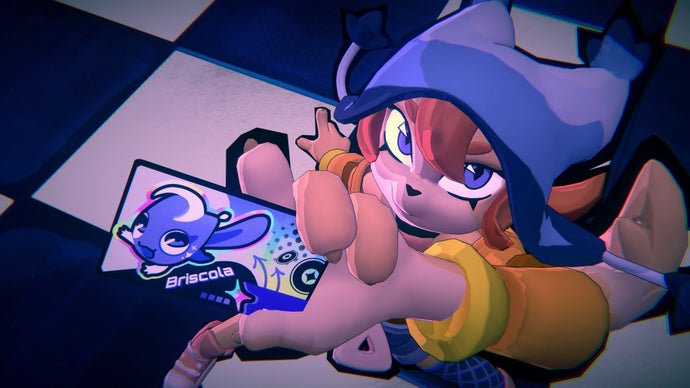
Break The Night merges furry aesthetics with magical girl anime tropes and fast-paced hack-and-slash combat, drawing inspiration from late 2000s action games. The indie title combines stylish movement mechanics, roguelike progression systems, and character-driven storytelling into a package that appeals across multiple niche audiences simultaneously.
The game centers on fluid, skill-based combat that rewards player precision and timing. Movement feels snappy and responsive, enabling players to chain attacks, dodge incoming threats, and maintain momentum through encounters. This design philosophy echoes action titles from that era when Devil May Cry and Bayonetta defined the genre's standards for responsiveness and player agency. Break The Night doesn't simply chase nostalgia. It builds on those foundations with modern roguelike mechanics, allowing each run to feel distinct through procedural variations in enemy placement, loot drops, and environmental hazards.
The furry and magical girl elements aren't superficial window dressing. They shape character design, narrative beats, and world-building. Anthropomorphic characters inhabit a cohesive setting that takes both aesthetics seriously rather than treating them as joke material. This respectful approach to character design resonates with communities historically underserved by mainstream gaming studios. Magical girl tropes layer additional thematic weight, exploring transformation, empowerment, and responsibility through character arcs that progress across runs.
The late 2000s visual and audio direction establishes a specific mood. Neon color palettes, synth-heavy soundtracks, and digital effects recall that period's aesthetic without feeling derivative. This retro framing gives Break The Night a distinct visual identity in a crowded indie action space. The soundtrack particularly matters here, setting tone and rhythm for combat encounters while reinforcing the game's atmosphere.
Roguelike systems introduce meaningful replayability. Each run generates different enemy encounters, item combinations, and progression paths. Players unlock permanent upgrades that persist across runs, gradually expanding their tactical options. This structure keeps Break The Night fresh across multiple playthroughs while maintaining challenge progression. Balancing difficulty spikes with accessibility represents a core design challenge that Break The Night appears to handle thoughtfully.
The game targets a specific intersection of audiences. Furry enthusiasts appreciate authentic character representation. Action game veterans recognize the combat pedigree and mechanical depth. Roguelike players value procedural generation and replayability. Anime fans connect with magical girl storytelling. Rather than diluting its appeal by trying to serve everyone, Break The Night commits to these communities authentically.
Indie developers increasingly recognize underserved gaming niches. Break The Night exemplifies this trend by combining fandoms and genres that major studios typically ignore or treat dismissively. The result feels coherent rather than scattered across disparate ideas. Combat, aesthetics, and narrative all reinforce each other rather than competing for player attention.
The late 2000s nostalgia trend continues flourishing across indie games. That era represented a sweet spot before live service monetization dominated design, when action games prioritized mechanics over engagement loops. Break The Night taps into that sentiment while avoiding pure pastiche. It learns from that period without feeling locked in it.
Break The Night launches into a market increasingly receptive to niche identity and genre synthesis. The game demonstrates that combining underrepresented communities with genuine mechanical depth creates something greater than the sum of its parts.