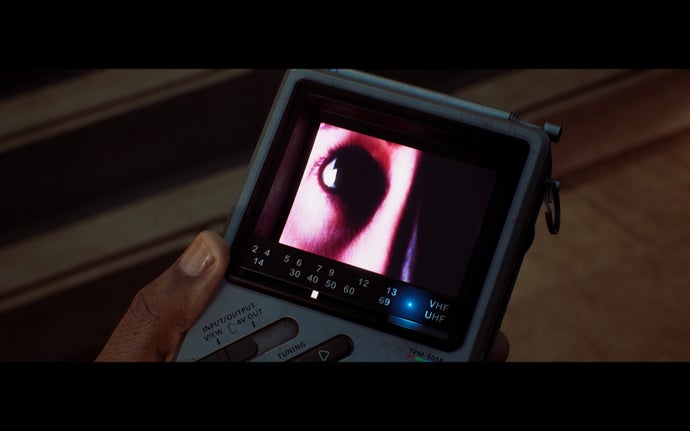
# Silent Hill: Townfall Review: Konami's Cultural Licensing Experiment Yields Mixed Results
Konami has transformed Silent Hill from a standalone Maine-based horror locale into a global collaborative vehicle for exploring regional culture. Silent Hill: Townfall represents the second major installment in this licensing initiative, following Silent Hill f, and the experiment yields uneven but occasionally brilliant results.
The game tasks developers with using the Silent Hill framework to investigate and celebrate local identity. This approach marks a dramatic departure from the franchise's traditional formula. Rather than returning to Ashfield or exploring new corners of the original mythology, Konami now invites studios worldwide to repurpose Silent Hill's mechanics and narrative DNA as a lens through which to examine their own cultural contexts.
Whether this model succeeds depends largely on execution. The critic remains conflicted about whether this represents inspired worldbuilding expansion or a form of intellectual property vampirism. The comparison to Silent Hill 2's famous opening letter captures the tension perfectly. Mary's invitation to James carries dread and mystery. Konami's invitation to developers carries business opportunity and creative constraint simultaneously. The town has become a template rather than a destination.
Townfall itself demonstrates both the promise and the limitations of this approach. The game contains inspired moments where the Silent Hill machinery genuinely serves the local investigation. The developers clearly understand the source material's core mechanics for generating psychological unease. Fog, mirror logic, multiple realities, and the town's ability to transform based on character psychology all function as designed.
The execution, however, feels slightly lumbering. The pacing drags at points where momentum should accelerate. Combat or puzzle sequences occasionally interrupt narrative flow rather than enhance it. Movement through environments, critical to horror games, feels deliberate rather than responsive. These technical considerations matter tremendously in the horror genre, where tension depends on player agency and environmental feedback.
Silent Hill: Townfall occupies an interesting space within the franchise's current trajectory. Konami has also released Silent Hill 2's full remake through Bloober Team, maintaining the series' canonical core while licensing external developers to experiment with the formula. This two-track approach allows established mythology to remain intact while giving fresh voices permission to reinterpret Silent Hill's themes through different cultural and creative prisms.
The question for players centers on whether accessibility to established intellectual property can generate genuinely creative outcomes. Some licensed horror games have transcended their source material through smart adaptation. Others become exercises in constraint rather than liberation. Townfall leans toward inspiration but can't quite overcome its structural heaviness.
For franchise observers, Townfall represents Konami's commitment to expanding Silent Hill's narrative possibilities beyond traditional sequel logic. The experiment will continue, and future collaborators will learn from this entry's successes and stumbles. The real test comes with whether players connect emotionally with investigations into cultures beyond Silent Hill's original Maine setting, and whether the town's horror logic translates universally or remains forever rooted in specific regional trauma.