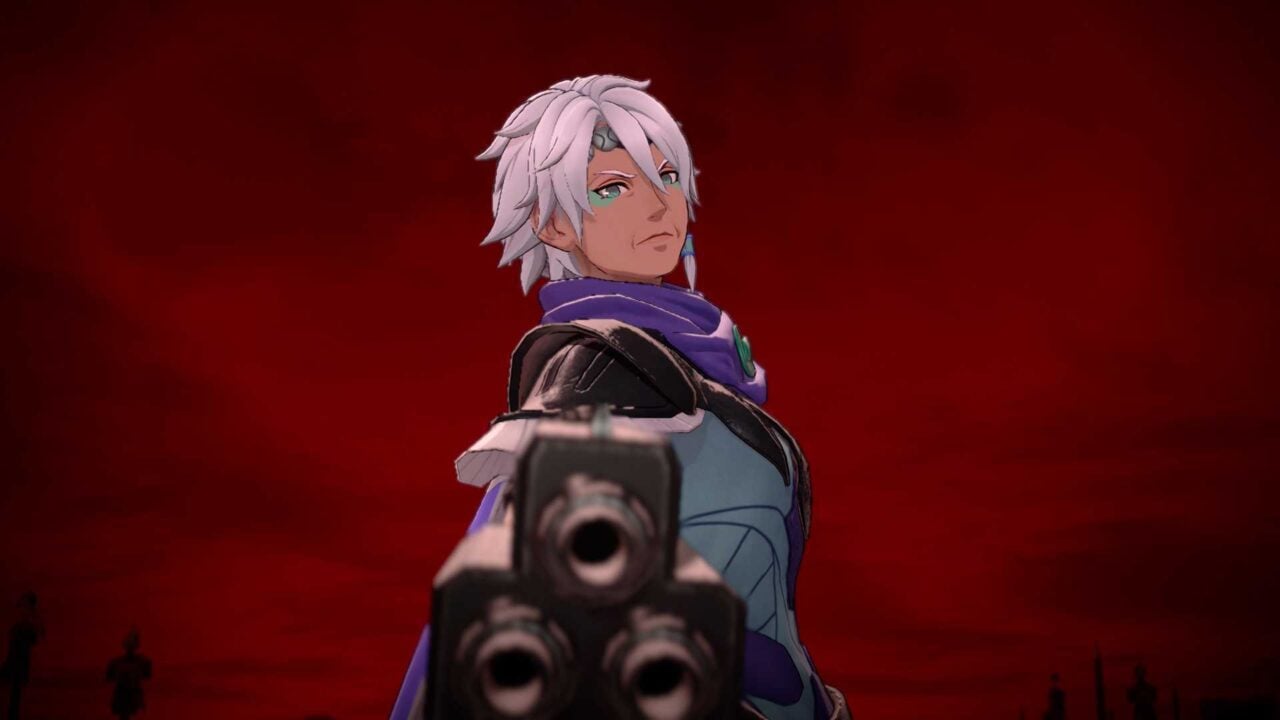
# Guns Transform Fire Emblem's Narrative Identity
Fire Emblem's introduction of firearms marks a watershed moment for the tactical RPG series. Intelligent Systems and Nintendo have moved beyond traditional medieval weaponry, and the shift unlocks storytelling possibilities that reshape how the franchise explores conflict, character, and setting.
The tactical depth of guns remains solid. They function as reliable ranged weapons with distinct hit rates, critical chances, and weight penalties. But their real value sits in narrative architecture. Firearms carry cultural weight. They signal technological advancement, industrialization, and the collision between tradition and modernity. Fire Emblem has always grounded its stories in specific worlds with distinct historical textures. Guns accelerate that worldbuilding.
Consider what guns represent thematically. In Three Houses, the Adrestian Empire wields firearms as a symbol of military superiority and industrial power. The weapon becomes an extension of political ideology. Characters who use guns signal alignment with specific factions and philosophies. A knight wielding a revolver reads differently than one carrying a sword. The audience understands the world's technological hierarchy instantly. This narrative efficiency matters in a tactics game where every unit conveys story information.
Guns also enable character development through weaponry choice. A noble character abandoning their traditional blade for a firearm represents ideological shift or desperation. The weapon swap becomes visible character arc. Fire Emblem's strength has always been tying mechanical progression to narrative beats. Guns extend this vocabulary.
The series has historically used weapon variety to create dramatic contrast. Axes versus swords versus lances establish unit roles and fantasy archetypes. Guns disrupt that hierarchy. They're not inherently more powerful but they're conceptually different. A gunslinger-class unit changes player perception of the battlefield immediately. The game communicates "this is a different kind of war" without exposition.
Fire Emblem games increasingly feature morally complex conflicts. The Fodlan continent in Three Houses erupts in civil war across ideological fault lines, not simple good-versus-evil combat. Firearms fit this gray-zone storytelling. They're tools of organized warfare and institutional power, not heroic artifacts. A character wielding a gun participates in different moral calculus than a swordmaster. The weapon choice signals participation in systems-level violence rather than individual valor.
Recent entries like Three Houses and Fire Emblem Engage have demonstrated that guns work mechanically without breaking balance. Designers can tune damage, availability, and weight to maintain tactical variety. But the genre-lift guns provide outweighs their mechanical contribution. They signal maturation of the world and stakes.
The franchise has moved toward presenting warfare as institutionalized and systemic. Guns embody that shift. Medieval fantasy warfare traditionally positions heroes wielding magical or master-crafted weapons against darkness. Modern warfare with firearms positions soldiers as components of larger military apparatus. Fire Emblem's recent narratives embrace this reality. Characters grapple with being instruments of state policy. Guns make that tension visible.
This doesn't mean Fire Emblem abandons medieval fantasy aesthetics. Rather, the series now exists in worlds where multiple technological levels coexist. Some nations remain feudal. Others industrialize. This variation creates natural story conflict and environmental worldbuilding that pure fantasy settings struggle to achieve. Guns anchor that complexity.
Fire Emblem's willingness to weaponize narrative accessories separates it from competitors. The series understands that player perception flows through mechanical and thematic channels simultaneously. A simple firearms system becomes sophisticated worldbuilding when properly integrated into story.