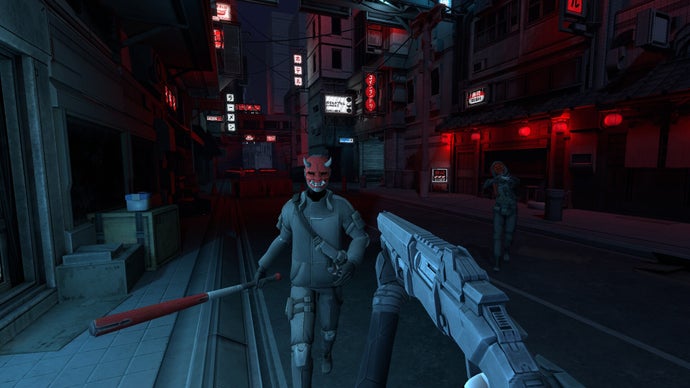
Tokyo Walled City surfaces as a distinctly ambitious indie immersive sim from Grim Ronin, arriving at a moment when the stealth-focused immersive sim space feels starved for new blood. The studio describes the project as a "stealth action retro-cyberpunk immersive sim with survival horror and RPG elements," a densely packed genre cocktail that targets players frustrated by the absence of modern Deus Ex sequels.
The game embraces the neon-drenched cyberpunk aesthetic paired with Japanese urban environments, drawing obvious visual and mechanical inspiration from Eidos Montreal's immersive sim legacy. Grim Ronin positions the title as an experience that prioritizes player agency within stealth systems, hacking mechanics, and environmental puzzle-solving, the exact formula that made the original Deus Ex and Human Revolution resonate with hardcore players.
The immersive sim genre has experienced real creative drought at the AAA level. Eidos Montreal moved away from the Deus Ex franchise after Mankind Divided released in 2016, leaving a decade-long gap. Arkane Studios pivoted toward Redfall and other projects. Meanwhile, indie developers have stepped into that void. Gloomwood from Goldspring has become the spiritual successor du jour, earning praise for its meticulous level design and stealth systems that respect player intelligence.
Tokyo Walled City enters a landscape where indie immersive sims face serious expectations. The genre demands intricate level architecture, multiple solution paths for objectives, credible AI opponents, and systems that interact in meaningful ways. These requirements make immersive sims notoriously difficult to develop at any budget level. Grim Ronin's decision to layer on survival horror elements and RPG progression suggests the team understands it must offer something beyond pure Deus Ex homage.
The retro-cyberpunk framing carries weight. Rather than chasing photorealism or contemporary AAA aesthetics, the studio embraces a specific visual language that echoes 80s and 90s technology design. This choice serves practical and artistic purposes. Retro aesthetics reduce production burden while establishing tonal coherence. The survival horror elements hint at resource scarcity and tension mechanics beyond typical stealth gameplay, suggesting Tokyo Walled City occupies distinct territory from pure immersive sim predecessors.
Player reception toward immersive sims remains enthusiastic despite market neglect. Reddit communities dedicated to Deus Ex still generate discussion about optimal playthroughs. YouTube channels devoted to immersive sim analysis maintain engaged audiences. This fanbase has proven willing to support indie projects that deliver thoughtful design. Gloomwood's success demonstrated the appetite exists.
The announcement timing matters. Tokyo Game Show 2026 provides a platform for indie projects to reach both Japanese and Western audiences. Japan's relationship with cyberpunk aesthetics and immersive narrative design gives the setting inherent credibility. The setting choice also differentiates Tokyo Walled City from Western-centric competitors.
Success depends entirely on execution. Grim Ronin must deliver level design sophisticated enough to support genuine player creativity during stealth sequences. Hacking systems need depth beyond simple minigames. The survival horror elements must integrate organically rather than feel bolted on. The RPG progression system cannot trivialize the stealth challenge through overpowered upgrades.
Tokyo Walled City arrives as indie gaming's answer to AAA indifference. Whether Grim Ronin can execute on its ambitious design document remains the open question, but the market clearly wants exactly what the team promises to deliver.