# Quick Time Events in Wolverine: The Real Design Problem Goes Beyond Fail States
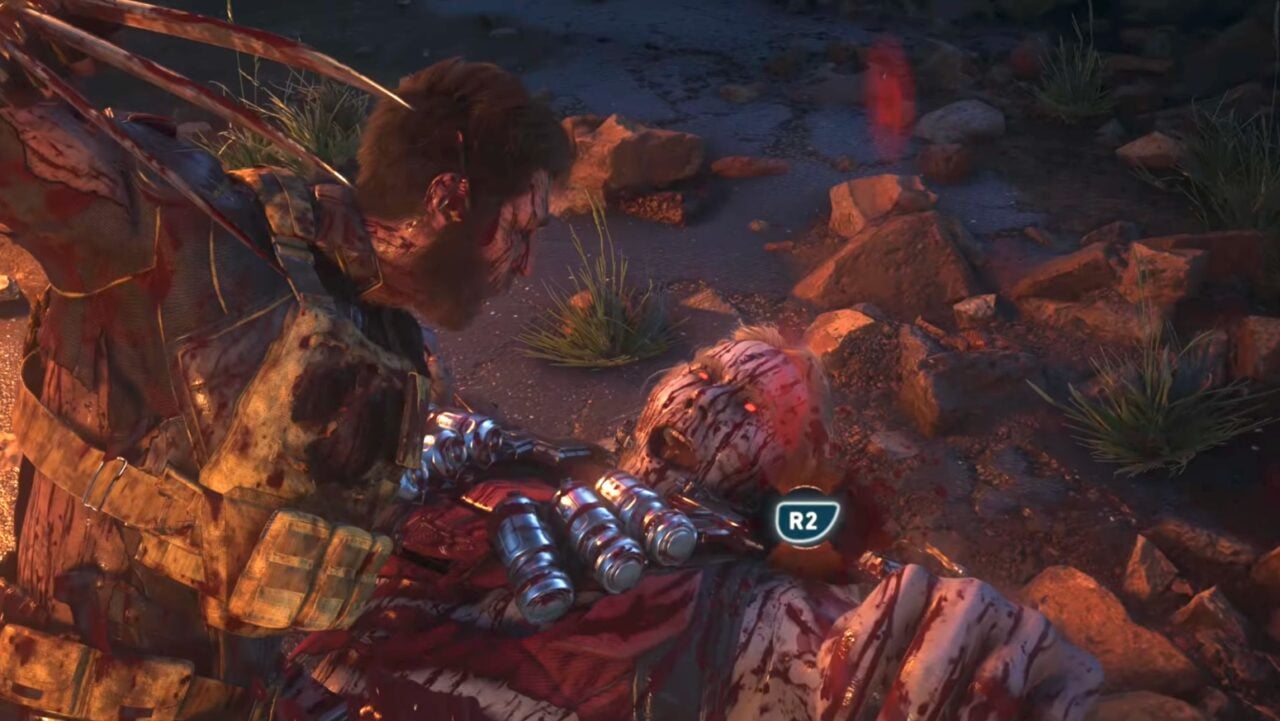
Insomniac Games' upcoming Marvel's Wolverine has drawn criticism for its quick time event implementation, but the debate misses the actual design flaw. The controversy centers on whether QTEs should include fail states, yet the real issue runs deeper into how these moments serve the game's narrative and player agency.
Quick time events occupy an uncomfortable space in modern game design. When executed well, they bridge cinematics and interactivity. They let players participate in scripted moments without surrendering control entirely. When handled poorly, they feel like busywork interrupting cutscenes. Wolverine's approach removes the mechanical failure option, meaning players can't lose these sequences regardless of input timing. This sparked debate among players and developers about whether consequence matters in interactive storytelling.
But here's the disconnect: removing fail states doesn't address the core problem with Wolverine's QTEs. The real issue involves pacing, clarity, and whether these prompts actually enhance the experience or pad runtime. A QTE that fails you repeatedly frustrates players. A QTE you can't fail becomes theater disguised as interaction. Neither approach solves the fundamental question: does this moment need player input at all?
The satisfying quick time event requires three elements. First, the input must feel connected to the on-screen action. Second, the timing window needs to respect player reflexes without feeling artificially generous. Third, the event must offer something the player couldn't experience passively watching a cinematic. Games like God of War (2018) and Resident Evil 4 demonstrated this balance. Their QTEs complemented brutal combat moments. Players pressed buttons during takedowns or desperate survival sequences, feeling like they controlled the violence rather than watched it happen.
Wolverine's design philosophy seems to prioritize cinematic presentation over mechanical depth. With fail states removed, the sequences function as confirmation prompts more than actual challenges. This creates a strange middle ground where the game asks for input without respecting player skill or decision-making. Players either press the button and progress, or miss it and get prompted again until they succeed. The experience flattens into habit rather than tension.
The broader issue reflects a larger tension in AAA game design. Developers want cinematic authenticity for major story moments. They employ QTEs to maintain player agency without breaking narrative flow. But this approach often prioritizes style over substance, making quick time events feel obligatory rather than earned.
The satisfying quick time event died not because failure became optional, but because the industry stopped asking what made these moments work in the first place. Games stopped treating QTEs as climactic punctuation marks requiring skill and instead treated them as progress gates requiring presence. Wolverine continues this trend by removing even the illusion of failure, surrendering the last vestige of real player consequence.
The solution isn't restoring fail states to Wolverine. The solution involves rethinking whether QTEs belong in this moment at all, or redesigning them from the ground up with genuine interactivity in mind. Until developers commit to that deeper work, quick time events will remain a mostly lost art, present in games but absent from what makes them satisfying.