# Failure as Feature: How PC RPG Designers Are Rewriting the Savescum Culture
The savescum habit runs deep in PC RPG communities. Players reload saves after failed persuasion checks, botched combat encounters, and dialogue misses with the same reflexive urgency as reaching for a coffee cup. But designers behind some of the best RPGs on PC are pushing back against this pattern, arguing that meaningful failure creates better stories than perfect playthroughs ever could.
Larian Studios and Obsidian Entertainment, the studios responsible for the Divinity series and classics like Planescape Torment, have built narratives around player choice and consequence. Yet many players immediately undo those consequences through save manipulation. The disconnect frustrates designers who spent months crafting branching storylines and reactive systems meant to embrace failure.
The core tension sits here. RPGs market themselves as choice-driven experiences, yet players treat failed rolls as mistakes to correct rather than story beats to inhabit. A missed persuasion check becomes a reset trigger instead of a plot point. This undermines the entire premise of systems designed to roll with player failure.
Tabletop RPG groups solve this through social pressure and narrative trust. A Dungeons and Dragons table embraces the critical failure because the group understands that failure fuels the best stories. Everyone remembers the botched plan, the unexpected alliance born from desperation, the character who pivoted entirely because of a failed check. Nobody rewinds.
Video game designers want that same trust. When players savescum compulsively, they signal they don't trust the designer's ability to make failure interesting. They assume a failed roll leads to dead ends rather than alternate paths. The burden falls on studios to prove otherwise. Divinity 2 and similar titles respond by designing systems where failure actually opens narrative doors instead of closing them. A blown persuasion attempt doesn't lock you out of content. It redirects you. The story continues, just differently.
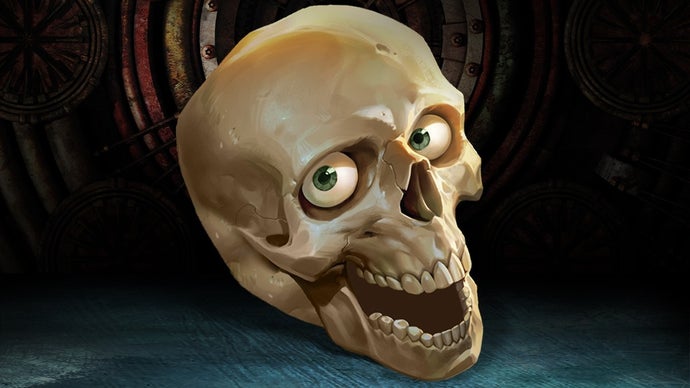
This requires deliberate design choices. Developers must ensure that failed checks lead somewhere playable, somewhere narratively rich. Planescape Torment pioneered this approach in the late 1990s, building a game where dialogue failure was often more entertaining than success. The cranky skull Morte provides constant commentary. Party members react to player mistakes. Combat encounters shift based on what the player knows and doesn't know. Failure becomes context.
Modern indie RPGs and larger productions increasingly adopt this philosophy. Studios recognize that player trust builds when consequences feel fair and interesting rather than punishing. If the player trusts the designer's competence, they stop reaching for the reload button.
The stakes extend beyond individual playthroughs. Each savescum represents a player rejecting the game's intended experience. Designers want players inside the story, living with choices, not observing from above with a timeline remote control. The ask is simple but difficult. Trust the system. Live with failure. The best stories emerge from accepting the dice roll rather than demanding a reroll.