# Low-Poly Horror Tumblebee Pairs Whimsical Bee Mechanics With Genuine Spider Terror
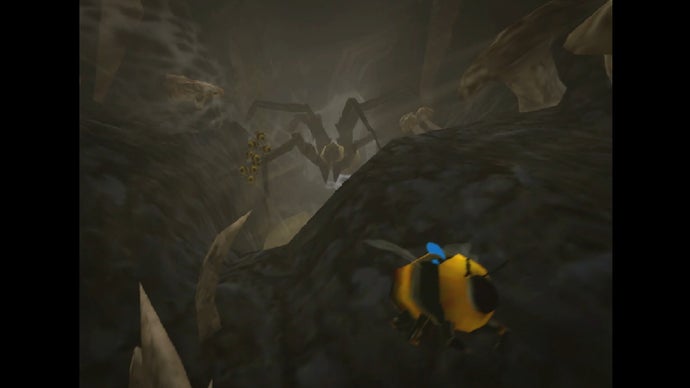
Tumblebee launches as a striking contrast in tone, blending cheerful low-polygon bee physics with genuine horror elements centered on spider pursuit. The game forces players to navigate between two opposing emotional registers, creating an unsettling experience that derives tension from its own tonal split.
The core mechanic revolves around controlling a bee that tumbles across environments. This physics-based movement system provides the game's primary source of joy and experimentation. Players manipulate the bee's rolling momentum through levels, solving environmental puzzles and navigating obstacles. The low-polygon aesthetic gives the game a deceptively innocent, almost toy-like appearance. Bright colors and simplified geometry suggest a family-friendly romp through nature.
Then the spiders arrive.
Massive arachnids patrol the same spaces the player inhabits. These creatures operate as relentless predators, actively hunting the vulnerable bee protagonist. The tonal whiplash becomes the game's defining feature. What begins as contemplative puzzle-solving transforms into chase sequences where survival depends on quick reflexes and route optimization. The spiders don't negotiate. They pursue with singular focus.
This design philosophy taps into primal fear responses while simultaneously undermining them through cuteness. The low-poly rendering prevents the spiders from achieving photorealistic horror, yet their behavior and scale relative to the player character generate genuine dread. Players oscillate between laughing at the aesthetic incongruity and genuinely fearing the chase sequences.
The game operates in the horror-comedy space, though weighted more heavily toward horror. Indie developers increasingly explore tonal dissonance as a narrative tool. Games like Inscryption and Dredge weaponized aesthetic charm to enhance their disturbing elements. Tumblebee follows this trajectory, using its approachable visuals as a trojan horse for arachnophobic gameplay.
The release arrives during a resurgence of spider-focused games. Titles like Webfishing and various horror projects have normalized arachnids as central mechanics and threats. Whether this reflects broader gaming trends toward nature-based horror or simply represents natural variation in the indie space remains unclear.
Tumblebee's success hinges on whether players embrace the tonal tension or find it grating. The game doesn't attempt to resolve the contradiction between joyful tumbling and existential spider terror. It simply layers one on top of the other and lets players navigate both simultaneously. This approach demands more from the player than conventional genre entries, requiring emotional flexibility alongside mechanical skill.
The low-poly presentation matters here. It signals accessibility and approachability, drawing players who might otherwise avoid pure horror titles. Once invested in the bee's journey, players encounter genuine threat. The aesthetic creates false security that the spider encounters then shatter.
Tumblebee releases as a niche proposition targeting players comfortable with horror wrapped in deceptive charm. It won't appeal to arachnophobia sufferers seeking therapy through exposure, nor to horror enthusiasts expecting conventional scares. Instead, it offers something weirder. A game that treats physical anxiety as a design feature rather than a bug, leveraging the gap between what the game looks like and what the game makes players feel.