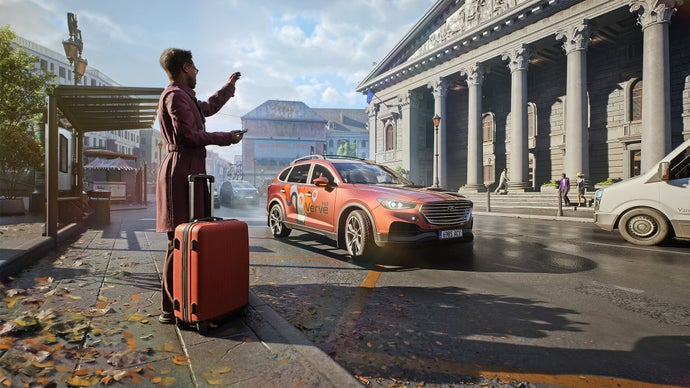
Tim Willits, chief creative officer at Saber Interactive, stands by his studio's use of generative AI in Rideshare Stimulator despite significant backlash from the gaming community. The controversial title, which launched as an Uber simulator where players pick up fares and drive passengers around town, triggered widespread criticism when reports emerged that the studio employed AI to generate dialogue and narrative content.
The controversy deepened when a former writer on the project publicly claimed that Saber had used ChatGPT as a replacement for human writers on the game. This revelation sparked outrage among industry professionals and players who viewed the move as a devaluation of creative writing work in games. Many took to social media to express concerns about AI replacing skilled writers in game development.
When speaking with press weeks into the firestorm, Willits rejected the narrative that Saber's reputation had suffered damage from the AI disclosure. He framed the studio's approach as a practical tool integration rather than a replacement strategy, though he acknowledged the company's communication about the decision could have been clearer from the start.
Saber Interactive brings significant credentials to this conversation. The studio developed Space Marine 2, the third-person shooter that Saber co-developed with Relic Entertainment for Games Workshop's Warhammer 40K franchise. They also shipped SnowRunner, the open-world off-road driving game that found massive success across PC and consoles. World War Z, their cooperative zombie shooter, established the studio as capable of handling licensed IP and creating engaging multiplayer experiences. These titles represent years of development pedigree and player trust.
Rideshare Stimulator exists in a niche occupied by comedy-driven simulators. The game deliberately leans into absurdist humor, positioning itself as a parody of the gig economy rather than a serious transportation game. That genre context matters for understanding why Saber chose to use generative AI for dialogue. Repetitive NPC interactions in a game where you encounter dozens of passengers naturally lend themselves to procedural text generation.
The broader debate extends beyond Saber's single title. Throughout 2024, major studios from Ubisoft to Square Enix announced various applications of generative AI in game development, from art asset generation to voice synthesis. Each announcement triggered similar professional concerns about labor replacement. Writers' organizations and voice actors began calling for transparent disclosure requirements and protections against job displacement.
Willits' defense suggests Saber views this as a content generation efficiency question rather than a labor issue. This perspective represents how some larger studios are approaching AI integration. The counterargument holds that transparent communication before launch, not after criticism surfaces, demonstrates respect for both the workforce and the player base.
The real test comes next. Players will determine whether Rideshare Stimulator's AI-generated dialogue undermines the comedic experience Saber intended. If the game succeeds critically and commercially despite the AI controversy, other studios will cite it as precedent for similar implementations. If it fails, publishers will move more cautiously with transparent AI disclosure in the future.