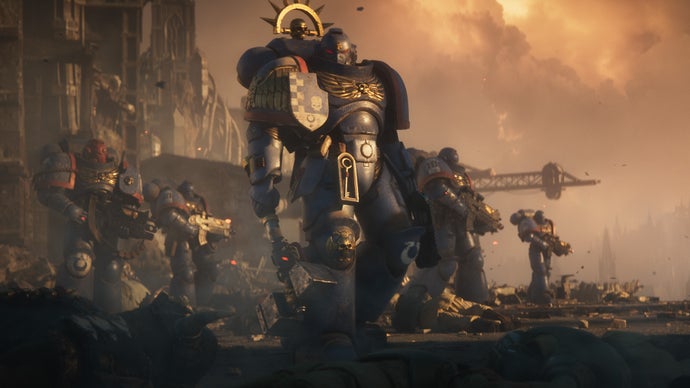
Creative Assembly faces a strategic challenge with Total War: Warhammer 40,000. The studio must balance the franchise's notoriously steep learning curve against the massive appetite for 40K content among both hardcore strategy enthusiasts and casual Warhammer fans unfamiliar with turn-based tactics. The developers acknowledge this tension directly, framing their approach as opening "a big tent" to newcomers while maintaining the complexity that core players demand.
The Total War series has always intimidated newcomers. Real-time battle management, resource economies, diplomacy trees, and multi-turn campaign progression create friction for players expecting linear, guided experiences. Historical Total War games like Rome and Attila shipped with minimal tutorials, forcing players to learn through repeated failure. Creative Assembly recognizes this barrier exists and plans deliberate changes to Total War: Warhammer 40,000 to lower it.
The studio's language around accessibility proves telling. By framing newcomers as part of a "big tent," Creative Assembly signals that grimdark aesthetics and 40K lore alone won't sustain sales if players bounce off within two hours. Warhammer 40,000 commands passionate devotion across tabletop gaming, literature, and video games, but that passion doesn't automatically translate to strategy game proficiency. Players buying Total War: Warhammer 40,000 for the IP might never have touched Dawn of War, let alone Rome or Three Kingdoms.
The studio likely implements several onboarding improvements. Better tooltips explaining unit roles and army composition become essential. Tutorial battles with clear objectives and guardrails prevent total annihilation on the first engagement. Campaign difficulty settings that don't simply inflate enemy health, but actually adjust AI behavior and resource generation, help newer players survive early turns without feeling punished for learning.
Creative Assembly's previous Warhammer Total War entries sold millions of copies precisely because they attracted non-strategy players enchanted by Games Workshop's universe. Total War: Warhammer III reached mainstream success partly because its rich setting compensated for complexity. Total War: Warhammer 40,000 targets an even broader audience. The 40K universe spans multiple media, and many potential players have never touched a strategy game before.
This accessibility push also reflects industry trends. Games like Elden Ring proved that difficulty needn't mean gatekeeping. Modern players expect adjustable challenge levels without shame. Strategy games from Fire Emblem Engage to Crusader Kings III now offer granular difficulty customization that lets players tailor experiences to their comfort level. Creative Assembly adapts to these expectations or risks alienating a generation raised on softer onboarding.
The grimdark setting helps rather than hurts here. Warhammer 40,000's grim aesthetic appeals across demographics. The universe's absurdist darkness, where incompetent humans worship technology they don't understand and grimdark outcomes feel inevitable, creates narrative permission for player failure. Losing a battle fits the lore. This narrative wrapper around mechanics becomes a teaching tool.
Total War: Warhammer 40,000 releases into a crowded strategy landscape. Competitors like Civilization VII and Manor Lords fight for attention. Creative Assembly's move to ease accessibility directly addresses player retention. If newcomers get past hour five, they stay. If they quit, the franchise loses potential long-term players and live-service revenue from future DLC factions and cosmetics.
The developer's transparency about this design goal indicates confidence in execution. Creative Assembly isn't apologizing for Total War's depth but rather acknowledging that depth works best after players understand fundamentals. The grimdark tent welcomes everyone, but players need clear pathways to reach the center.